13 Screen-Free Coloring Activities to Keep Kids Busy for Hours
Every parent has a list, mental or written, of things that buy real time. Not five minutes, but actual stretches where a kid is occupied, calm, and not asking to watch something. Coloring shows up on that list more than almost anything else, but the same page over and over stops working eventually. Stretching it into something bigger, with more steps and more room to explore, is what turns fifteen minutes into an entire afternoon.
Here are thirteen screen-free coloring activities built to hold a kid’s attention for the long haul.
1. A Giant Roll of Butcher Paper Taped to the Floor
A long stretch of butcher paper taped down across the floor turns coloring into something bigger than a single page, literally. Kids can sprawl out, color as big or as small as they want, and there’s no obvious “finish line” pushing them to wrap it up fast.
The scale alone extends the activity. A single sheet of paper gets finished in minutes, but a floor-length roll can absorb an entire afternoon, especially with more than one kid working on it at once.
2. A Coloring Mural Multiple Kids Work On Together
Taping up one big piece of paper on a wall or fence and letting several kids color different sections at once turns a solo activity into a group project. Kids naturally start dividing up space, negotiating who colors what, and checking in on each other’s progress.
More like this: 15 Easy Coloring Activities Kids Can Do Completely on Their Own
That social layer keeps things going longer than any kid working alone would manage. A mural also gives everyone a shared thing to be proud of once it’s done, which adds a little extra motivation to keep at it.
3. Coloring Books With Dozens of Pages Instead of Single Sheets
A full coloring book, especially one built around a theme a kid is genuinely into, holds attention longer than any loose printed page ever will. There’s always another page to flip to, which keeps the activity from having a natural stopping point.
Books with a loose story or progression running through the pages work especially well, since kids get invested in working through it in order rather than jumping around and losing interest halfway.
4. Window Clings and Static Cling Coloring Sheets
Certain coloring products are made from static cling material that sticks to windows once colored in, which adds a small bonus reward at the end (displaying it) that a plain paper page doesn’t offer. That anticipation can stretch out the coloring itself.
Kids also tend to be more careful and deliberate with these, since the finished product is going somewhere visible, which naturally slows the pace down and extends the time spent on each piece.
5. Coloring Combined With Cutting and Assembling a Craft
Pages designed to be colored, cut out, and then assembled into something 3D (a puppet, a mask, a small diorama) stretch a single activity into three distinct steps. Kids color, then cut, then build, and each phase resets their attention span a little.
"I still use this one in my own classroom notes."
17 Classroom Activities That Keep Kids Engaged All Year →This layered structure works especially well for kids who get bored of straight coloring fast, since the payoff of building something at the end gives them a reason to push through the coloring part first.
6. A Coloring Station With Rotating Tool Options
Setting up a dedicated spot with crayons, markers, colored pencils, and maybe watercolor pencils all available at once lets kids switch tools mid-activity instead of sticking with one the whole time. That variety alone can double how long they stay engaged.
Rotating in a new tool periodically (glitter glue, metallic markers, whatever’s on hand) gives even a familiar coloring page a reason to feel new again without needing an entirely different activity.
7. Color-by-Number Pages With Higher Numbered Ranges
Standard color-by-number pages for younger kids use small number ranges that get finished fast. More complex versions, aimed at older kids, use dozens of numbers and much smaller sections, which stretches out the completion time significantly.
These work well as a step up once a kid has outgrown the easier versions and needs something with more sustained focus required to actually finish it.
8. Coloring Pages Paired With a Story to Act Out Afterward
A coloring page tied to a simple story or scene, one a kid colors and then acts out afterward with the finished piece as a prop, extends the activity well past the coloring itself. The imaginative play afterward can run just as long as the coloring did.
This works especially well with character-based pages, since kids are often more invested in a character they colored themselves than one from a screen or a pre-made toy.
✎ Printable Picks
9. A Themed Coloring “Kit” Set Up Like an Activity Box
Putting together a small kit around one theme (a handful of related pages, matching stickers, maybe a small reward at the end) gives coloring time a sense of structure and progression, rather than being one flat activity with no direction.
Rotating themed kits in and out every so often keeps things feeling fresh, and the structure itself, working through a set with a clear beginning and end, tends to hold attention longer than a random loose page would.
10. Coloring Combined With a Scavenger Hunt
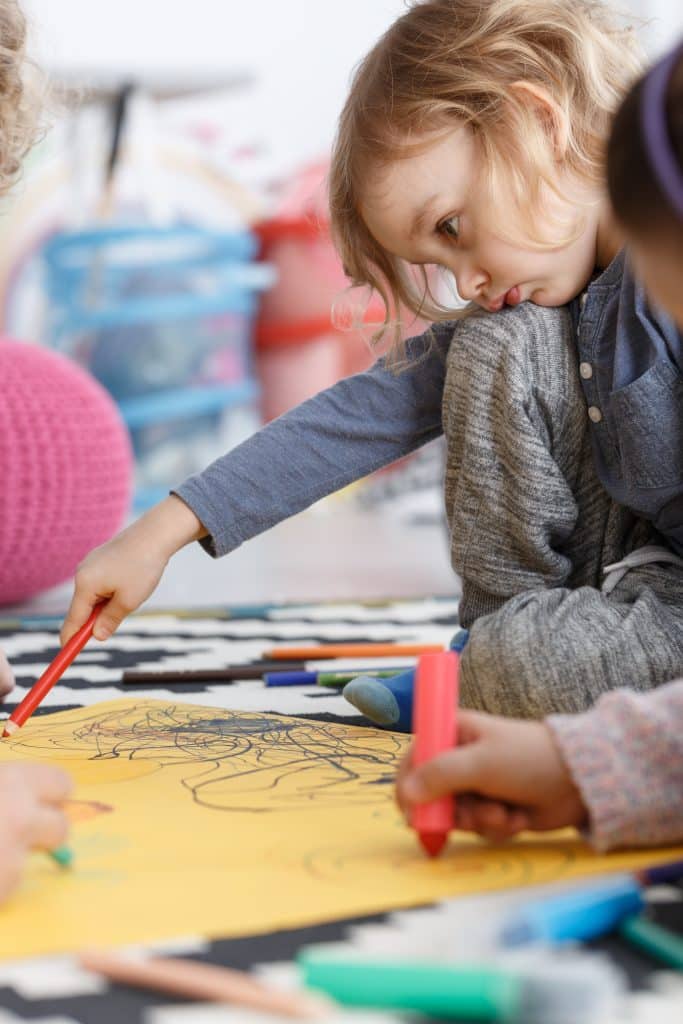
Hiding small color-related clues or partial pages around a room or yard, where a kid has to find pieces before coloring them, turns a sit-down activity into something more active. The hunt itself burns time, and the coloring afterward extends it further.
This is a good option for kids who get restless sitting still for long coloring stretches, since it builds in movement without abandoning the coloring activity altogether.
11. A Rotating “Coloring Challenge” With a Timer
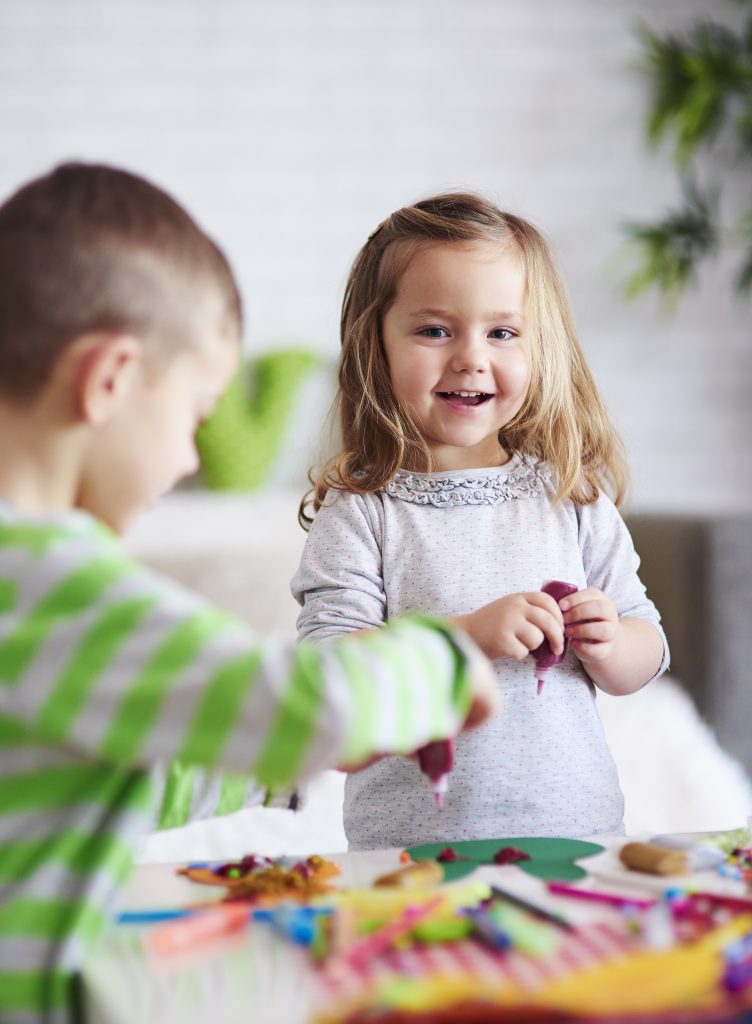
Framing coloring as a small challenge (finish this section before the timer runs out, or color using only warm colors today) adds a layer of structure and mild competition that keeps some kids more engaged than open-ended coloring alone.
This works especially well for kids who like a bit of a game element in everything, turning a fairly passive activity into something that feels a little more active and goal-oriented.
Keep Them Busy · For the Classroom
12. Large-Format Puzzle Coloring Pages
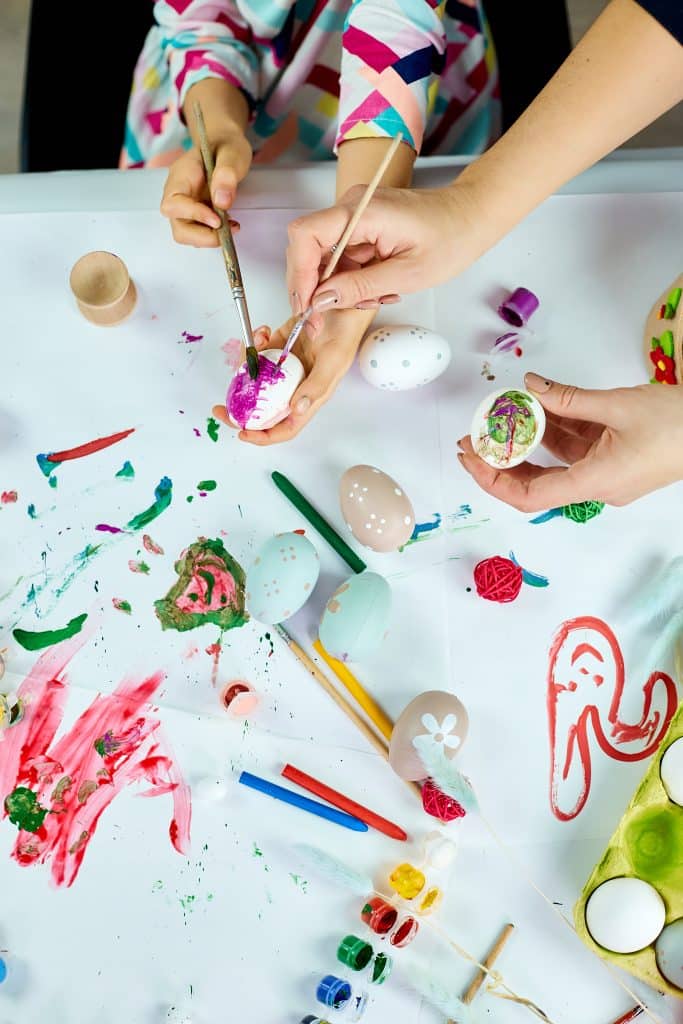
Oversized coloring pages that are also cut into puzzle pieces once finished combine two long activities into one. Kids color the full image first, then have to piece it back together, which adds a whole second phase of engagement after the coloring wraps up.
These work particularly well for a rainy afternoon when a family is looking for one activity to fill a genuinely long stretch of time without switching to something new every twenty minutes.
13. A Coloring Table Set Up to Stay Out for Days
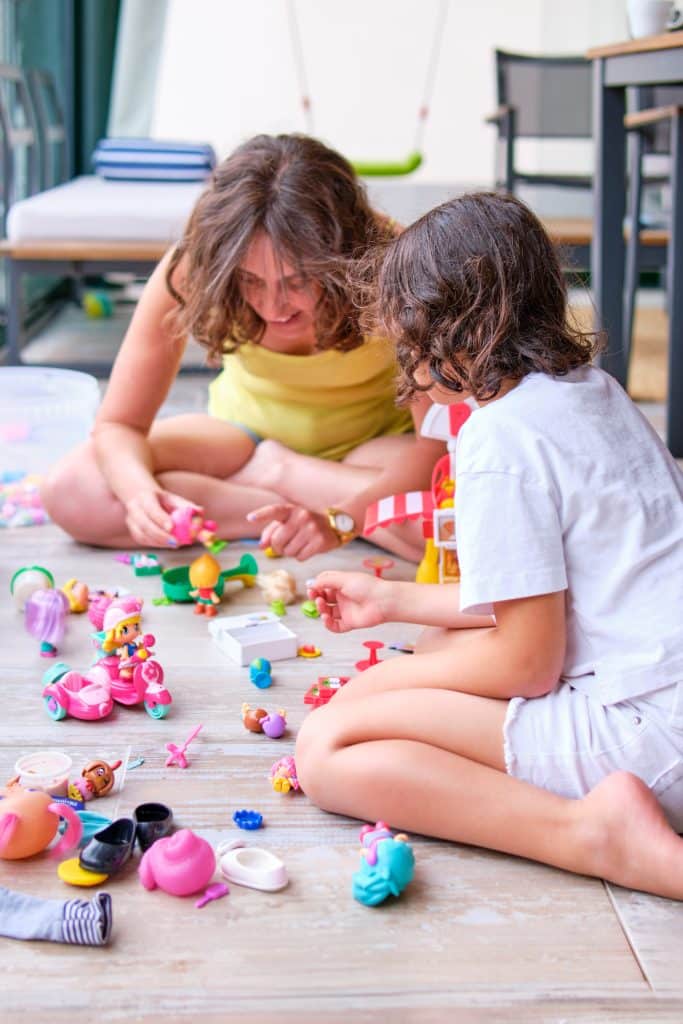
Instead of pulling coloring supplies out and putting them away each time, leaving a dedicated table set up and accessible means kids can wander back to an in-progress page throughout the day, or even over several days, without needing to start fresh every time.
Before you go — a few more to color your afternoon:
This kind of ongoing, low-pressure access tends to add up to more total coloring time than any single sit-down session would, since kids drift back to it in small chunks whenever they’ve got a few free minutes.
None of these need to be complicated to work, they just need enough structure or novelty to keep a kid coming back to the table instead of wandering off after ten minutes.
Which of these has actually bought you the most quiet time in your house?