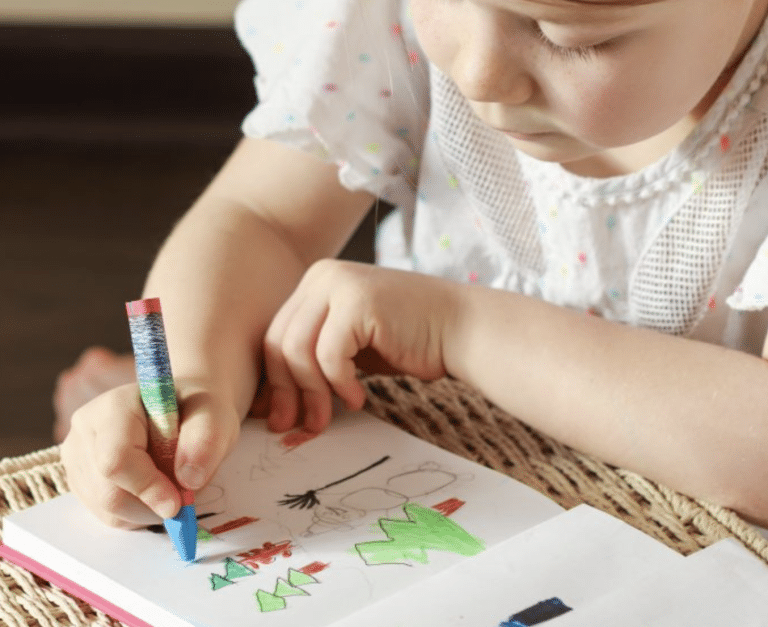
13 Easy Coloring Activities for Substitute Teachers and Rainy Recess Days
Substitute teachers get handed a classroom full of kids they’ve never met and a lesson plan that may or may not make sense, and somehow they’re supposed to keep the whole room calm and occupied. Rainy recess days come with the same basic problem, a room full of kids with nowhere to burn off energy and not much of a plan. Coloring solves both, cheaply and with almost no setup.
Here are 13 easy coloring activities that keep a classroom quiet, busy, and reasonably happy when the regular routine is out the window.
1. A Simple Grab-and-Go Coloring Page Stack
The most basic option is also the most reliable one. A folder of pre-printed coloring pages sitting by the door means a substitute never has to improvise when the lesson plan runs short or recess gets cancelled. No explanation needed, no setup, just hand them out and let the room go quiet.
This works because it requires zero context. A sub who’s never met these kids before doesn’t need to know their names or their reading levels to hand out a page and a box of crayons.

2. A Coloring Page Scavenger Hunt
Hide a few small details in a busier coloring page, a hidden star, a tiny animal in the background, and turn finding them into a quiet competition. Kids stay just as occupied looking for the hidden details as they do actually coloring the page.
More like this: 21 Classroom Coloring Activities That Double as Learning Tools
It adds just enough of a game element to keep older kids from feeling like coloring is beneath them, without turning into anything loud or chaotic.

3. Silent Coloring With a Timer
Setting a timer and telling the class it’s “quiet coloring time until the timer goes off” gives the activity a clear beginning and end, which matters a lot when a substitute doesn’t have the usual classroom routines to fall back on. Kids generally respect a timer more than an open ended instruction.
It also gives the sub an easy way to handle the inevitable “how much longer” question. The answer is already sitting right there on the clock.

4. Group Mural Coloring on One Big Page
A single oversized coloring page, taped together from a few printed sheets or drawn up ahead of time, lets a whole class work on one shared picture instead of everyone doing their own. It turns individual quiet coloring into something that feels more like a group project.
This one works especially well on rainy days when normal recess energy needs somewhere to go besides running around. A big mural gives that energy a physical outlet without anyone having to leave their seat.
5. “Guess What I’m Coloring” Rounds
One kid describes what they’re coloring without naming it directly (“it’s got four legs and it barks”) while the rest of the class tries to guess. It’s a coloring activity with a little bit of talking built in, which helps break up long stretches of total silence that can start to feel tense in an unfamiliar classroom.
"This is the trick I give every tired parent who asks me for one."
13 Coloring Activities That Make Long Car Rides Fly By →Substitutes tend to like this one because it doubles as a way to keep an eye on the room. Kids stay seated and focused while still getting to interact a bit.
6. Coloring Pages Tied to Whatever Book Was Being Read
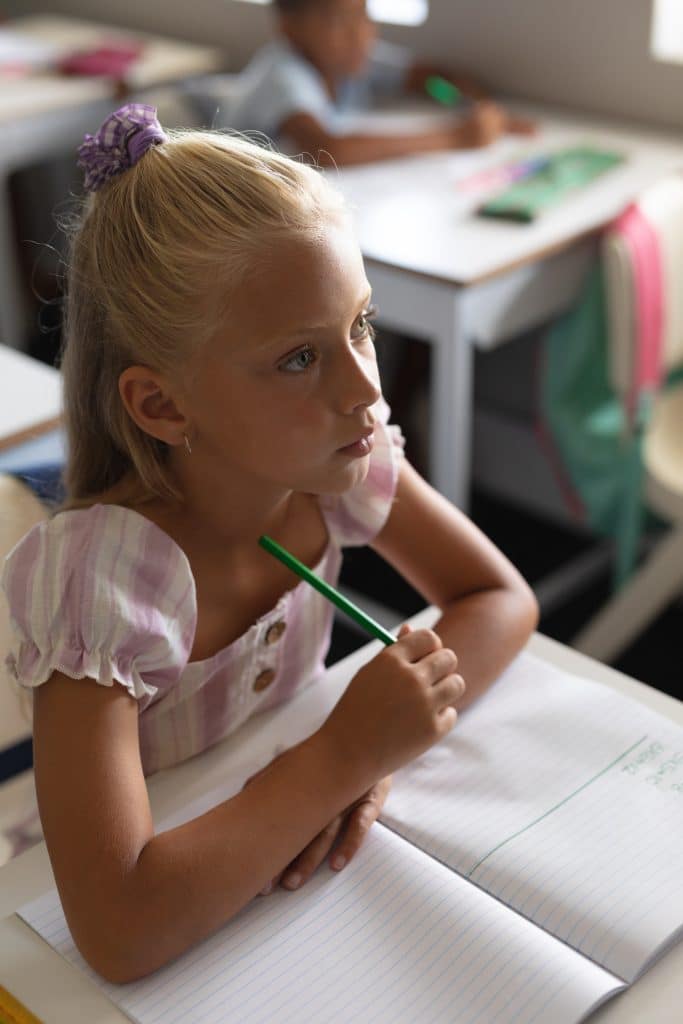
If a substitute has access to whatever book or story the class was in the middle of, a coloring page based on a character or scene from it keeps some continuity going even with an unfamiliar face at the front of the room. It doesn’t require the sub to know the material deeply, just enough to hand out a relevant page.
Kids also tend to take more ownership of pages connected to something they were already invested in, rather than a totally random page with no connection to their week.
7. A Coloring Page Trade Table
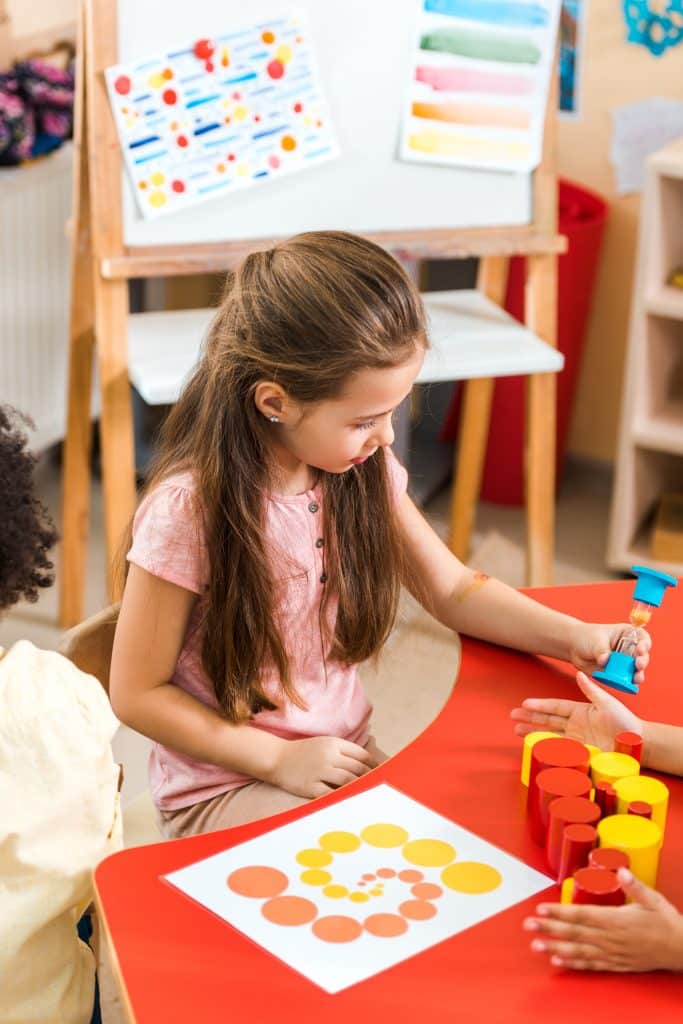
Setting up one table where kids can swap a finished page for a new one keeps the activity self-managing. Kids get up, trade, sit back down, all without needing much direction from the substitute in the middle of it.
It’s a small logistical trick, but it cuts down significantly on kids raising their hands every two minutes asking for a new page.
8. Color-by-Number or Color-by-Letter Pages
These give kids a built in set of instructions to follow, which keeps them occupied without needing constant substitute oversight. The page tells them what to do next, not the adult in the room.
They also work well for classrooms with a wide range of ages or skill levels, since the instructions scale from very simple number matching up to more complex letter or word based versions.
✎ Printable Picks

9. A “Design Your Own Weather” Coloring Page
On an actual rainy day, a blank scene where kids draw or color in their own version of the weather outside, sunny, stormy, snowy, whatever they want, gives the moment some relevance instead of ignoring the fact that recess just got cancelled.
It’s an easy way to acknowledge the disappointment of a lost recess without dwelling on it. The activity becomes its own small consolation.

10. Coloring Contests With a Simple, Low-Stakes Prize
Announcing a loose “best coloring” contest, judged on effort rather than actual artistic skill, gives kids a little extra motivation to stay focused on the page instead of everything else going on in the room. The prize can be as small as first pick of the classroom library or an extra sticker.
Substitutes tend to keep the judging vague on purpose, since the actual goal is just keeping the room calm, not running a real competition.

11. A Coloring Page Paired With a Simple Writing Prompt
Adding one line underneath a coloring page, “write one sentence about what’s happening in this picture,” stretches the activity a little longer and gives a substitute something to collect at the end of the period as proof that work got done.
It’s an easy way to bridge coloring and actual classwork without asking kids to do anything they’d consider a real assignment.
Keep Them Busy · Parent Hack
12. Buddy Coloring in Pairs
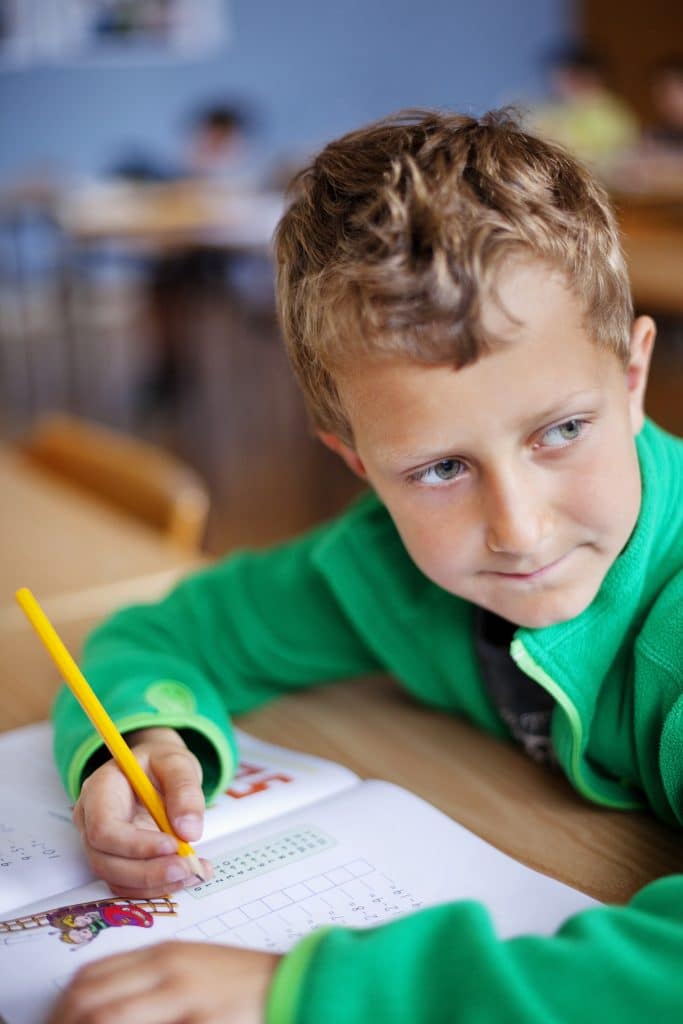
Pairing kids up to work on complementary pages, or split sides of the same page, cuts down on the isolation of quiet independent coloring while still keeping noise levels low. Two kids working near each other tend to self-regulate their volume better than a kid working entirely alone.
This one also helps a substitute manage a room full of strangers, since it gives kids a built in partner to check in with instead of constantly looking to the front of the room for direction.

13. A “Free Choice” Coloring Corner
Setting aside a small area with a variety of coloring pages, from simple to more advanced, and letting kids pick their own whenever they finish other work, gives a substitute a reliable fallback for the inevitable moments when a lesson plan runs short. Nobody’s ever fully out of things to do.
Before you go — a few more to color your afternoon:
It also solves the problem of mismatched skill levels in one move. A kid who wants a bigger challenge and a kid who wants something easy can both find what they need without anyone feeling singled out.
Substitute days and rained-out recesses both come down to the same basic challenge, keeping a room full of kids calm and occupied with minimal setup and even less warning. A timer, a trade table, or a free choice corner can turn what could’ve been a chaotic hour into one that runs itself.
Which of these would actually survive contact with your classroom, and is there a substitute day trick that’s saved you before?