13 Ways Coloring Helps Grow a Child’s Mind and Creativity
Coloring gets treated like a filler activity a lot of the time, something to hand a kid when there’s nothing else going on. But there’s a lot more happening on that page than just staying inside the lines. Coloring quietly builds skills that show up later in handwriting, focus, problem solving, and even how a kid manages their own emotions. None of it requires flashcards or a structured lesson, just paper, some color, and a little time.
Here are thirteen real ways that simple activity is doing more for a developing mind than it usually gets credit for.
1. Builds Fine Motor Control
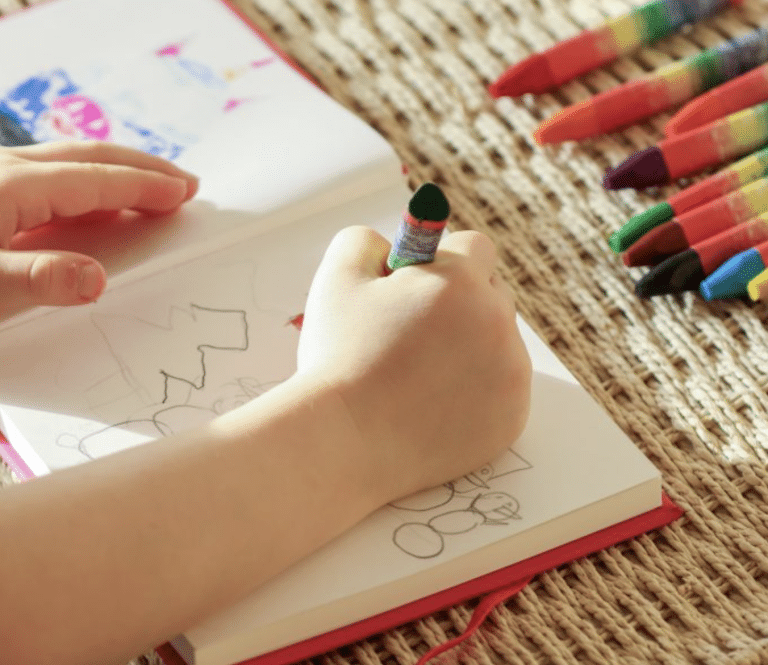
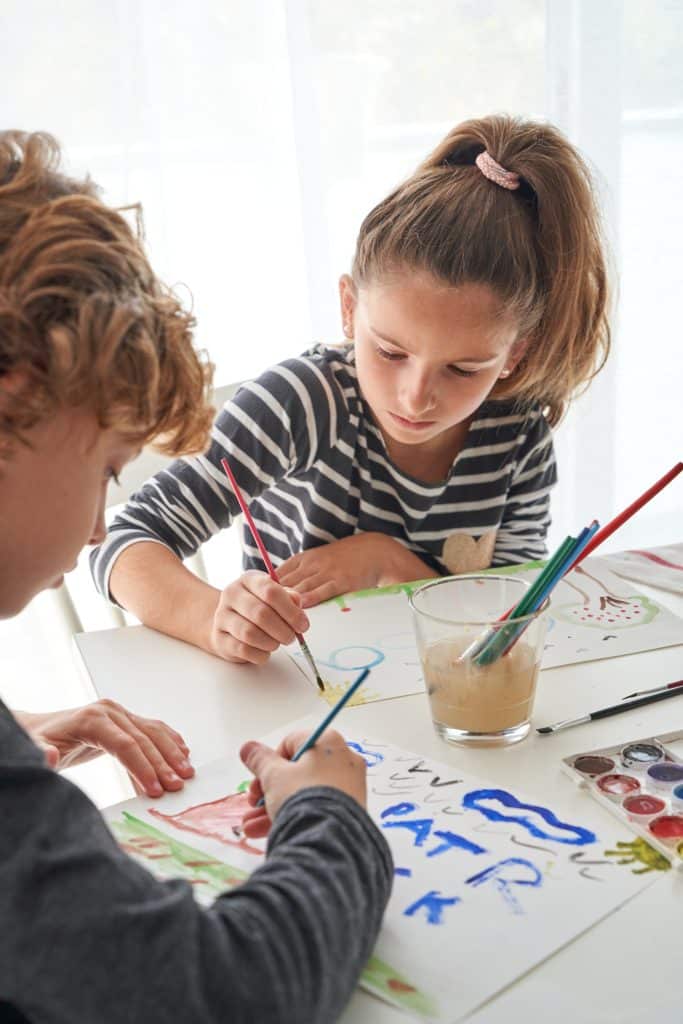
Gripping a crayon and guiding it across paper takes a surprising amount of small muscle coordination. Every stroke is training the same muscles a kid will later use to hold a pencil and write.
This is why coloring is often one of the first tools occupational therapists reach for with young kids. It’s low pressure, but it’s doing real work on hand strength and control.
Over time, a kid who colors regularly tends to have an easier transition into handwriting practice, simply because the hand muscles have already had a head start.
2. Improves Hand-Eye Coordination
Staying inside a line requires the eyes and hands to work together in a way a lot of other early activities don’t demand. The eye tracks the boundary, the hand adjusts, and that feedback loop happens constantly throughout a single page.
It’s a skill that transfers directly into things like cutting with scissors, catching a ball, or tying shoes later on. All of it relies on the same basic wiring of watching something and responding with a precise movement.
More like this: 15 Ways Coloring Activities Secretly Build Fine Motor Skills
Coloring just happens to be one of the easiest, lowest stakes ways to practice that loop over and over.
3. Introduces Early Focus and Attention Span
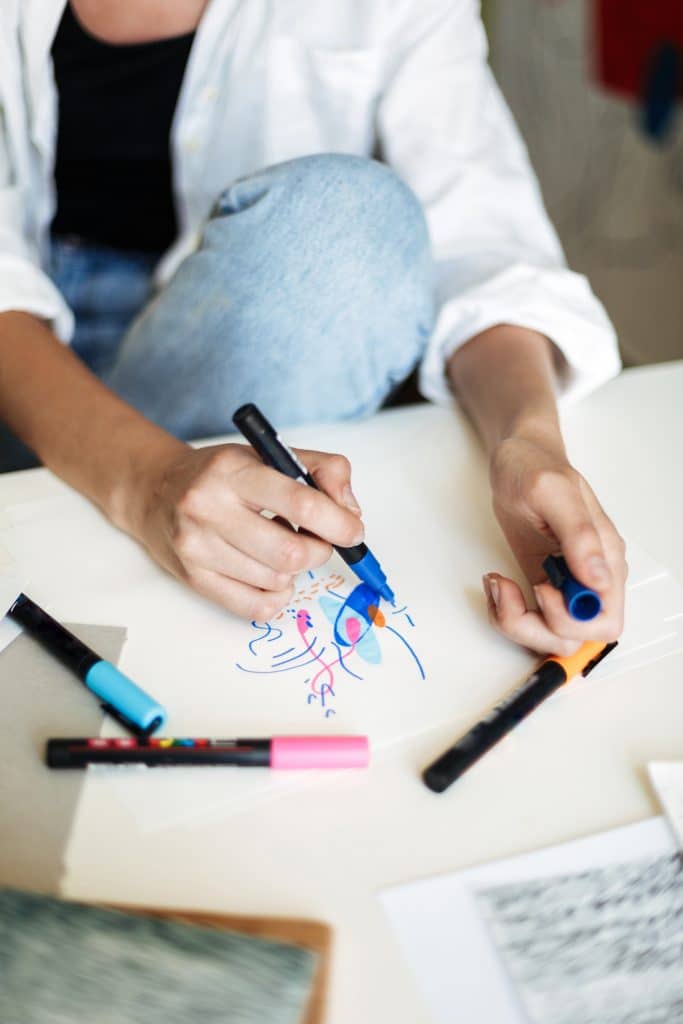
Sitting with one task for an extended stretch is a skill, not something kids are simply born with. Coloring gives a low pressure way to practice staying with something instead of jumping around.
A page with a few sections to fill in naturally encourages a kid to keep going until it’s done, rather than bailing after thirty seconds.
That practice adds up. Kids who get regular chances to sit with a task at their own pace tend to build a longer attention span for other things down the road, from reading to schoolwork.
4. Encourages Color Recognition and Association
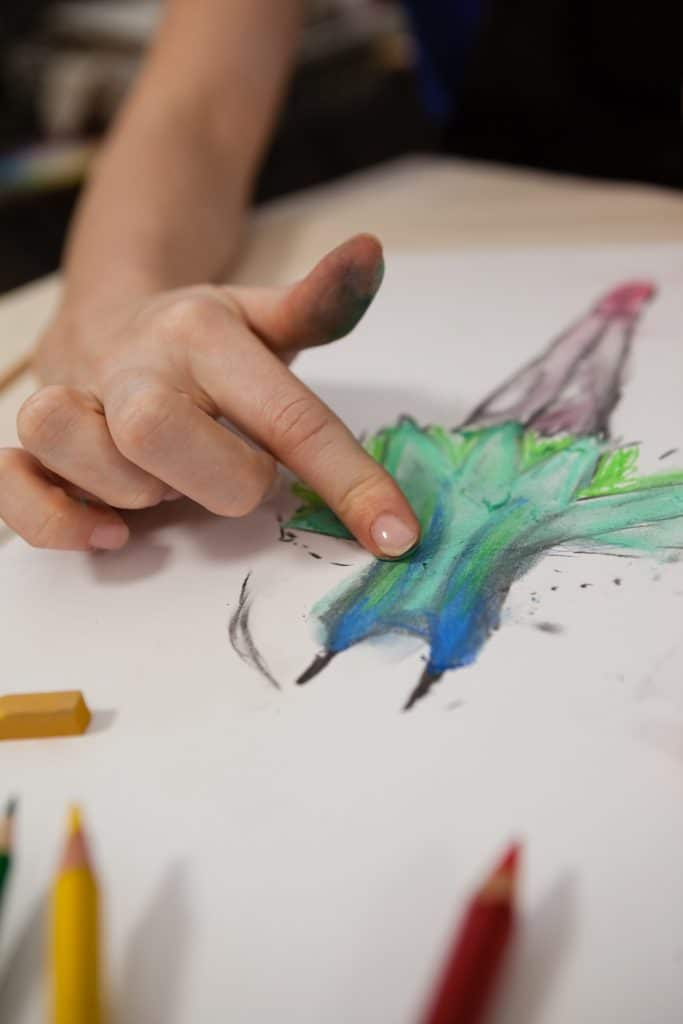
Reaching for a crayon and matching it to what’s being colored is doing quiet work on color recognition long before it ever gets called a lesson. A kid picking brown for a tree trunk or blue for water is making an association, not just guessing.
That kind of pattern building lays groundwork for a lot of early learning categories, not just color names themselves.
It’s also one of the few learning moments that doesn’t feel like learning at all, which is exactly why it tends to stick.
5. Opens the Door to Creative Decision Making
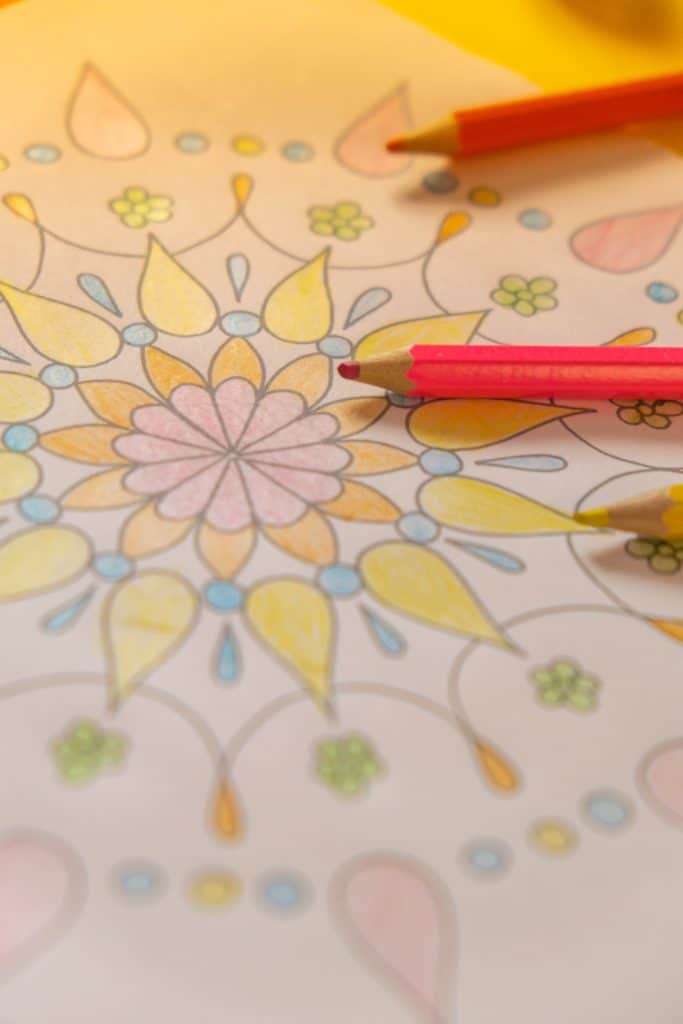
Every color choice on a page is a small decision. Does the sky stay blue or does it become purple. Does the dog match a real dog or does it get to be green.
None of those choices are wrong, and that’s the point. A blank space with no rules teaches a kid that their own decisions have value, even in something as small as picking a crayon.
"This is my go-to when the day feels too long and everyone's stuck inside."
13 Screen-Free Coloring Activities to Keep Kids Busy for Hours →That comfort with making choices without a “correct” answer carries into bigger creative work later, whether that’s drawing, writing, or just approaching a problem in an original way.
6. Supports Emotional Regulation
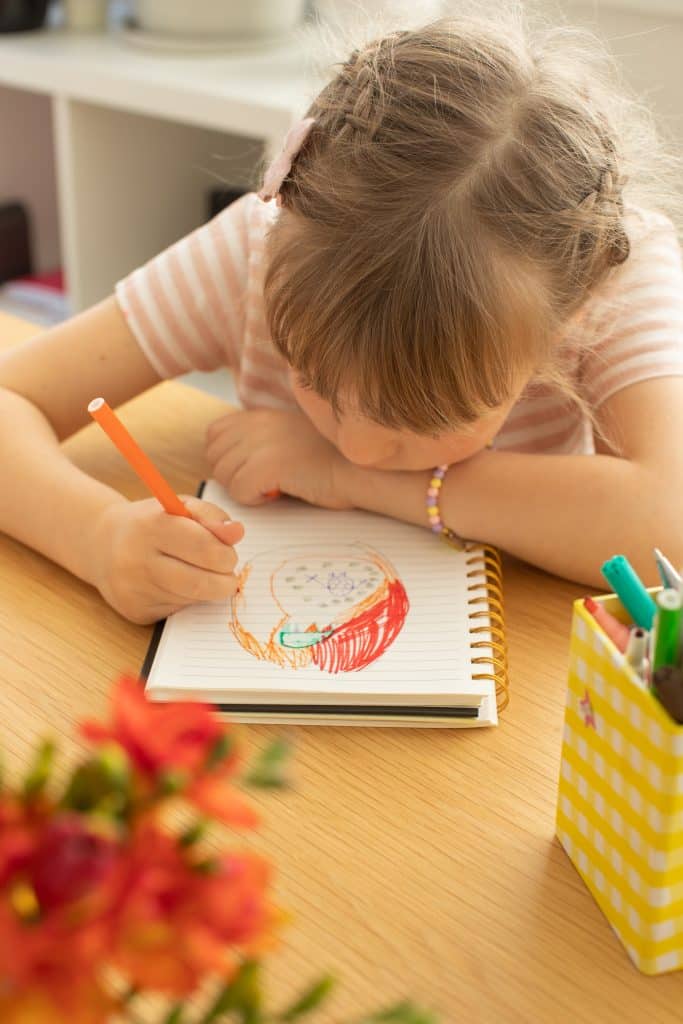
There’s a reason coloring shows up so often as a calming activity for kids after a big feeling. The repetitive motion and quiet focus give a nervous system time to settle without needing to talk about what just happened.
It’s not a replacement for actually working through big emotions, but it does offer a low key way to come down from a spike before jumping into a conversation about it.
A lot of parents notice a kid’s whole mood shift after even a short stretch of coloring, and that’s not a coincidence. It’s a pretty reliable reset button.
7. Builds Confidence Through Completion
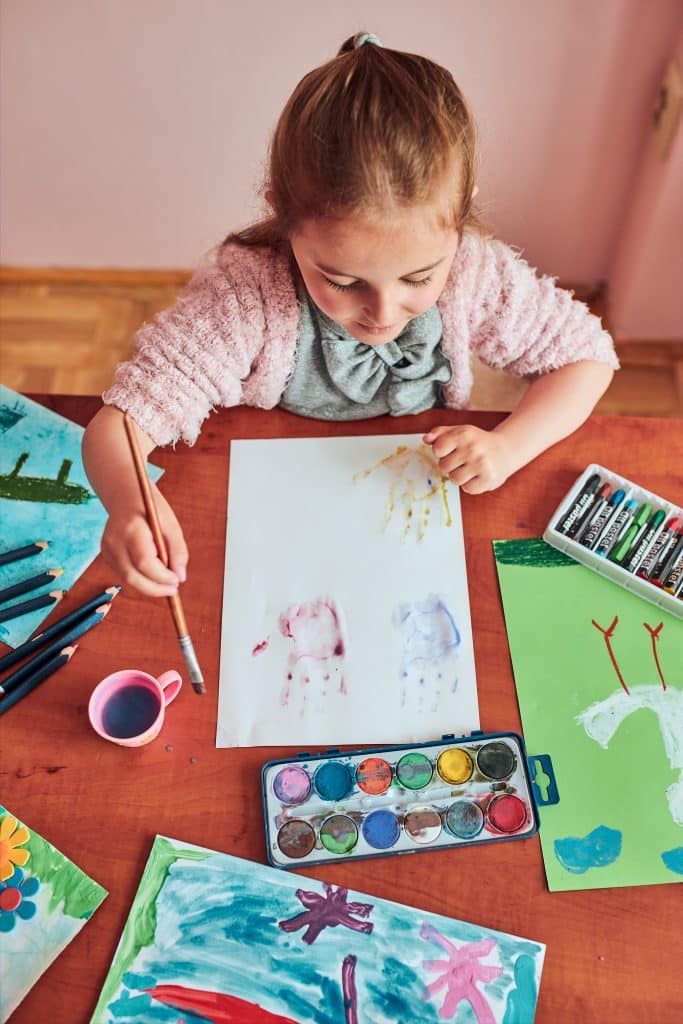
Finishing a page, even a simple one, gives a kid a small but real sense of accomplishment. There’s a start and an end, and a finished product to point to when it’s done.
That’s a bigger deal for young kids than it sounds like. A lot of their day is made up of tasks that get interrupted or taken over by someone else. Coloring is one of the few things that’s entirely theirs from start to finish.
Repeated wins like that, even small ones, build the kind of confidence that shows up later when a kid takes on something harder.
8. Strengthens Early Planning Skills
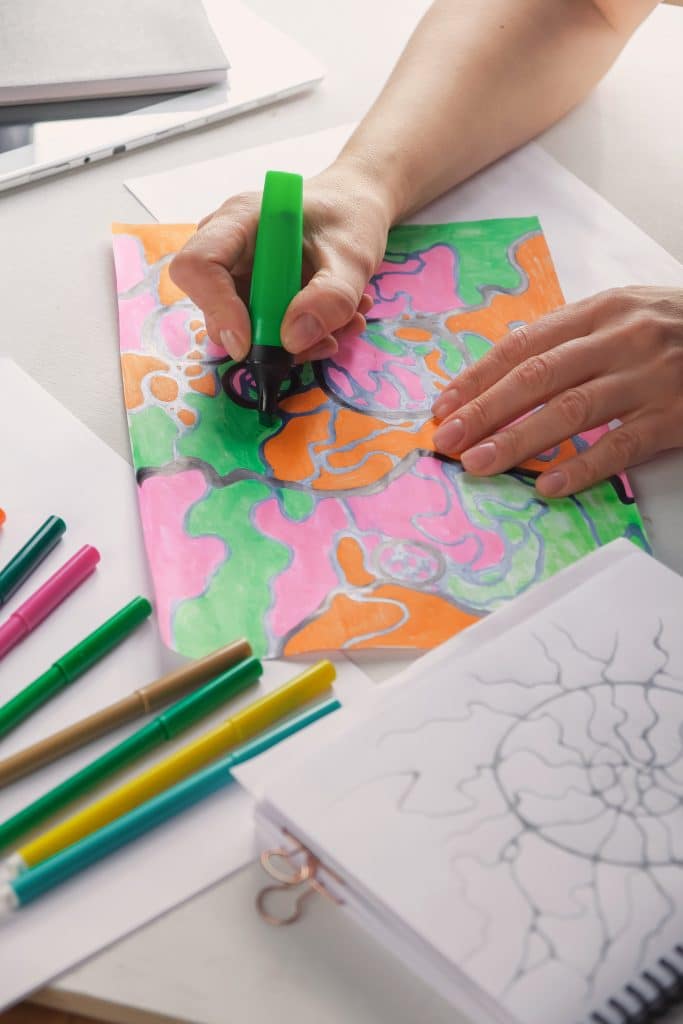
A page with multiple sections quietly asks a kid to make a plan, even if they don’t realize it. Which part gets colored first, which colors go where, whether to finish one section before moving to the next.
That kind of sequencing is an early form of planning, the same mental muscle that later shows up in following multi-step directions or organizing a bigger project.
✎ Printable Picks
It’s a small ask on a coloring page, but it’s practice for a skill that gets asked for constantly once school starts.
9. Introduces Cause and Effect
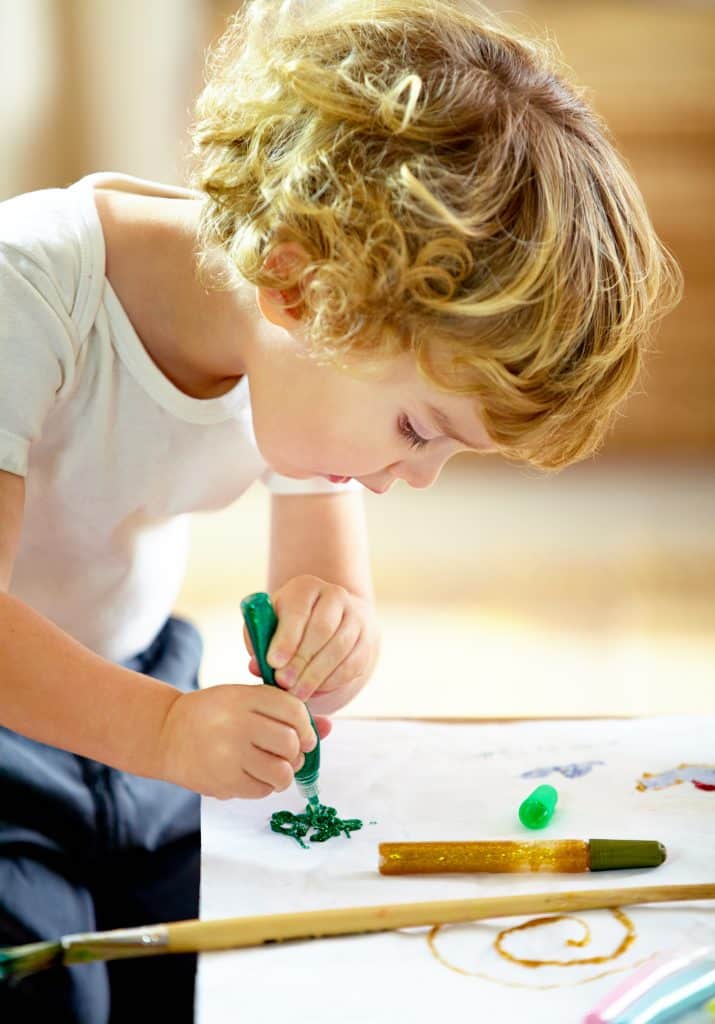
Pressing harder makes a darker mark. Going over a line twice makes it thicker. A kid figures this out through direct experimentation, not because anyone explained it to them.
That kind of immediate, visible feedback is one of the clearest ways young kids start to understand cause and effect in general, well before that concept ever gets a name in a classroom.
It’s a small thing on the page, but it’s one of the earliest science lessons a kid gets, and it happens without anyone setting out to teach it.
10. Encourages Storytelling
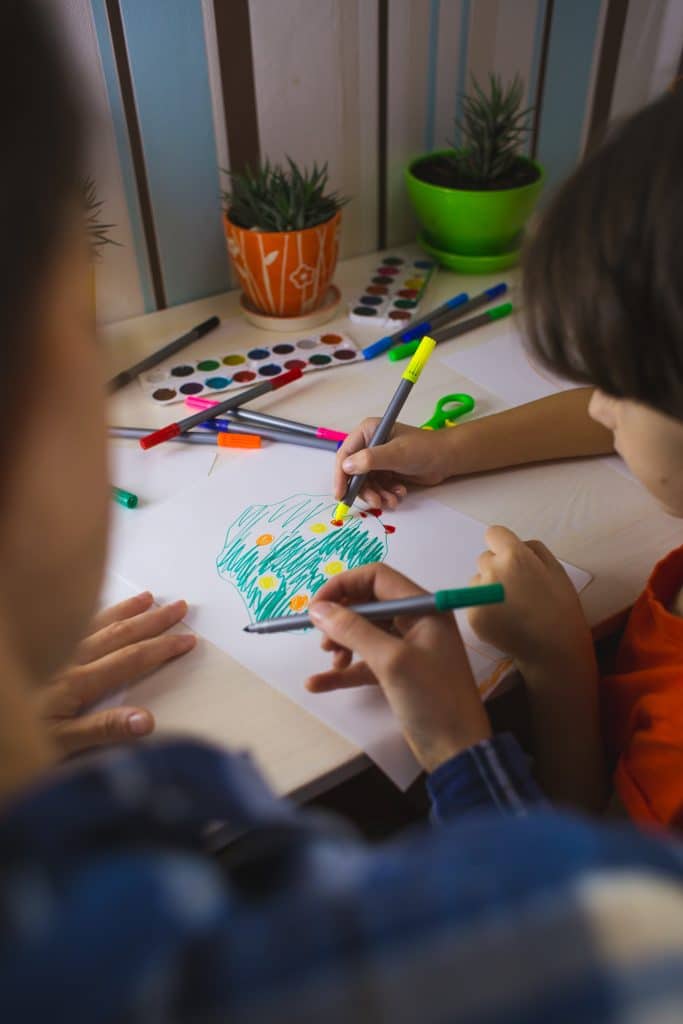
A lot of kids narrate while they color without even noticing they’re doing it. The dog is going on an adventure, the sun is mad today, the tree is the tallest one in the whole world.
That running commentary is early storytelling, building the same skills that later show up in writing and reading comprehension. A kid who’s used to narrating a picture has an easier time narrating an idea on paper down the line.
Coloring pages with a little bit of scene or character built in tend to pull this out even more than a plain shape might.
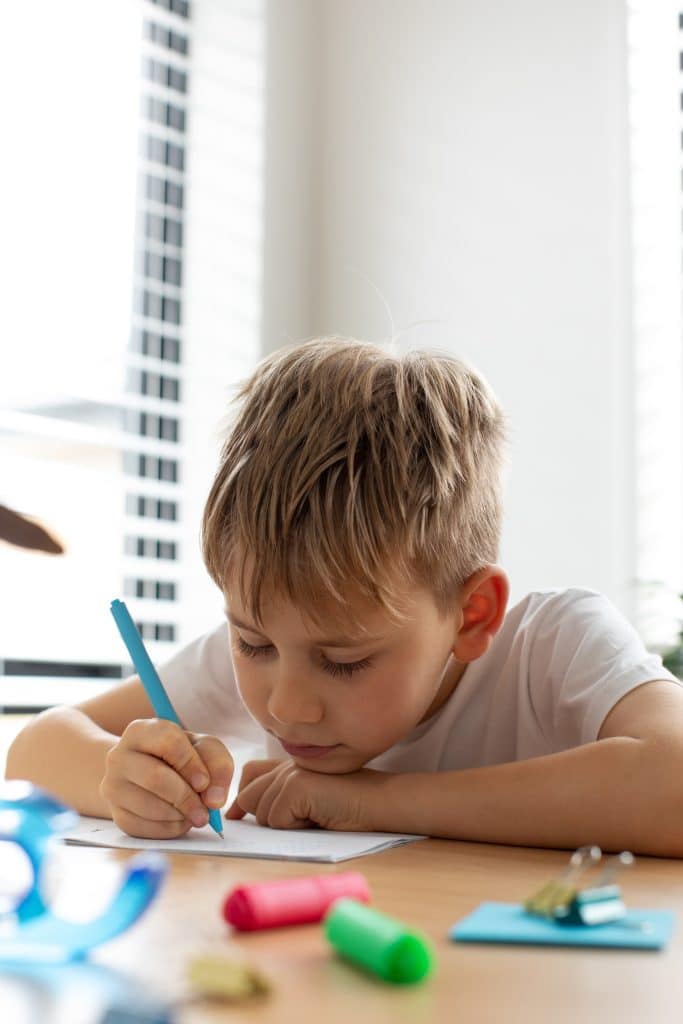
11. Builds Comfort With Mistakes
Coloring outside the lines is basically guaranteed to happen at some point, and it’s a low stakes way for a kid to learn that a mistake isn’t the end of the activity. The page keeps going, the color still counts, nothing gets ruined.
That kind of low pressure practice with imperfection matters more than it seems like it should. A lot of kids who are anxious about getting things wrong benefit from activities where wrong barely exists.
Keep Them Busy · Rainy-Day Fix
Over time it builds a little more comfort with trying things that might not turn out exactly as planned, which is a useful skill well past childhood.
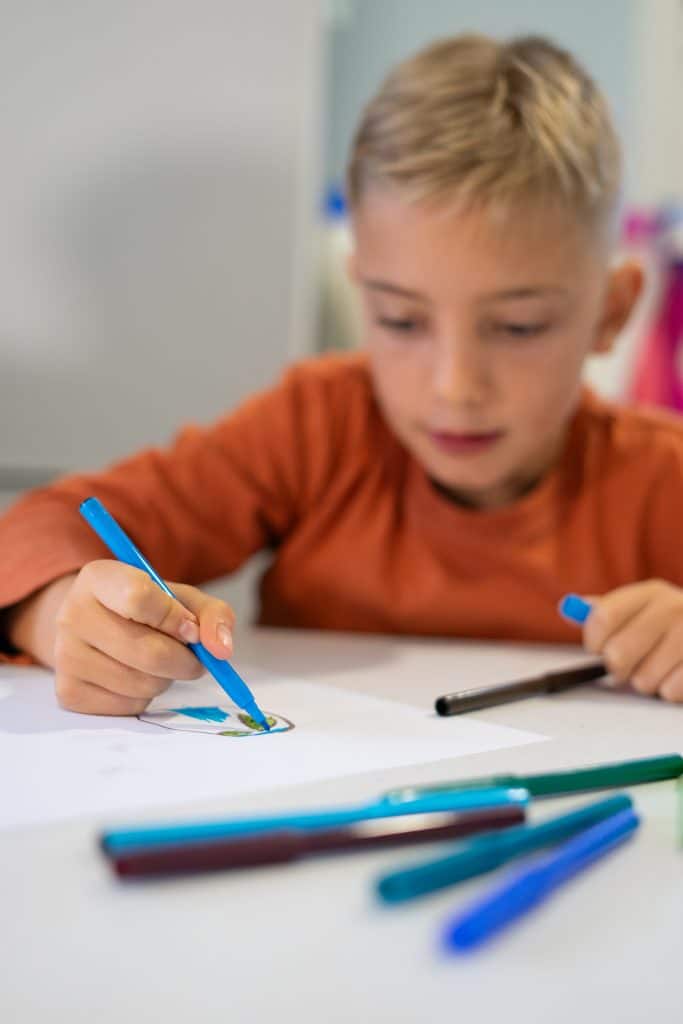
12. Introduces Symmetry and Pattern Recognition
A lot of coloring pages have built in patterns, stripes, spots, repeating shapes, that ask a kid to notice and continue a sequence. Matching a pattern across a page is early pattern recognition, the same skill that later shows up in math.
Some pages also introduce basic symmetry, where one side of a picture is expected to mirror the other. Noticing that and matching it is a quiet form of spatial reasoning practice.
None of it feels like math while it’s happening, which might be exactly why it works as well as it does.
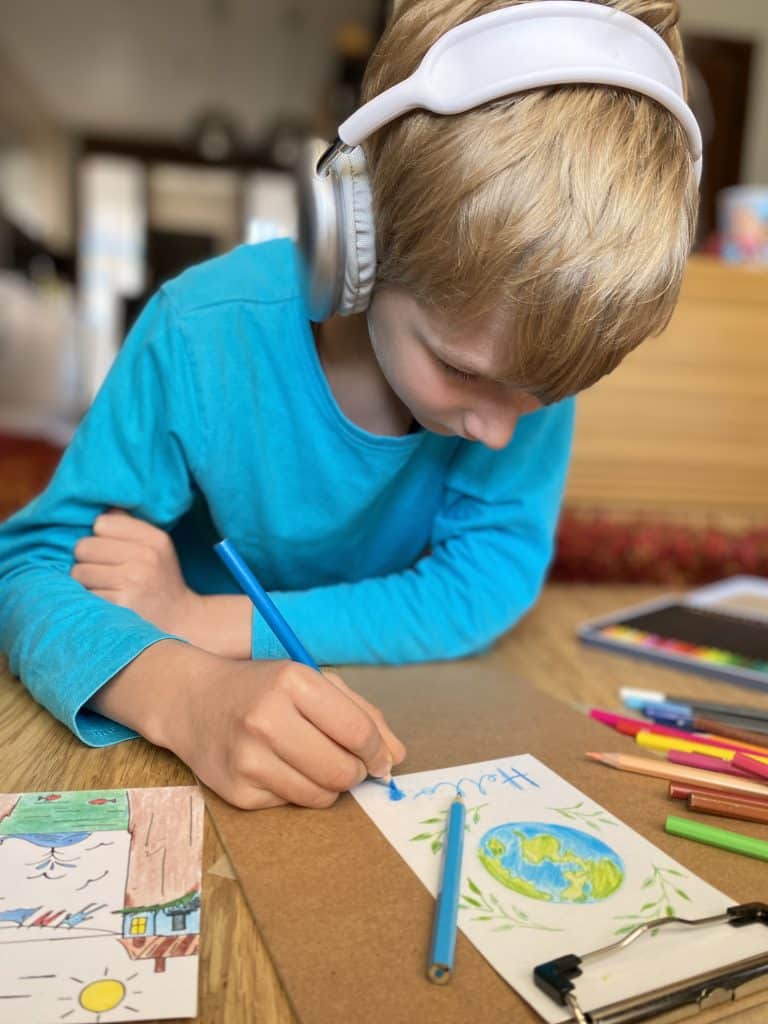
13. Creates a Shared Activity for Connection
A lot of the benefit of coloring isn’t just what it does for a kid alone, it’s what happens when a parent sits down and colors next to them. Sharing a page, talking about color choices, or just sitting quietly together builds connection without needing a big planned activity.
Before you go — a few more to color your afternoon:
It also gives a parent a low pressure window to chat about the day, since side by side activities tend to loosen kids up more than face to face conversation does.
That shared time adds up. A stack of coloring pages ends up being a stack of small, ordinary moments spent together, which matters just as much as any of the developmental benefits on their own.
Coloring looks like a simple way to pass the time, but there’s a lot of real development quietly happening underneath it, from fine motor skills to emotional regulation to the first sparks of storytelling and planning. It’s one of the rare activities that’s genuinely doing double duty, keeping a kid busy while building skills that show up everywhere else in their life.
Which of these have you noticed showing up in your own kid, and which page are you pulling out next?