17 Classroom Activities That Keep Kids Engaged All Year
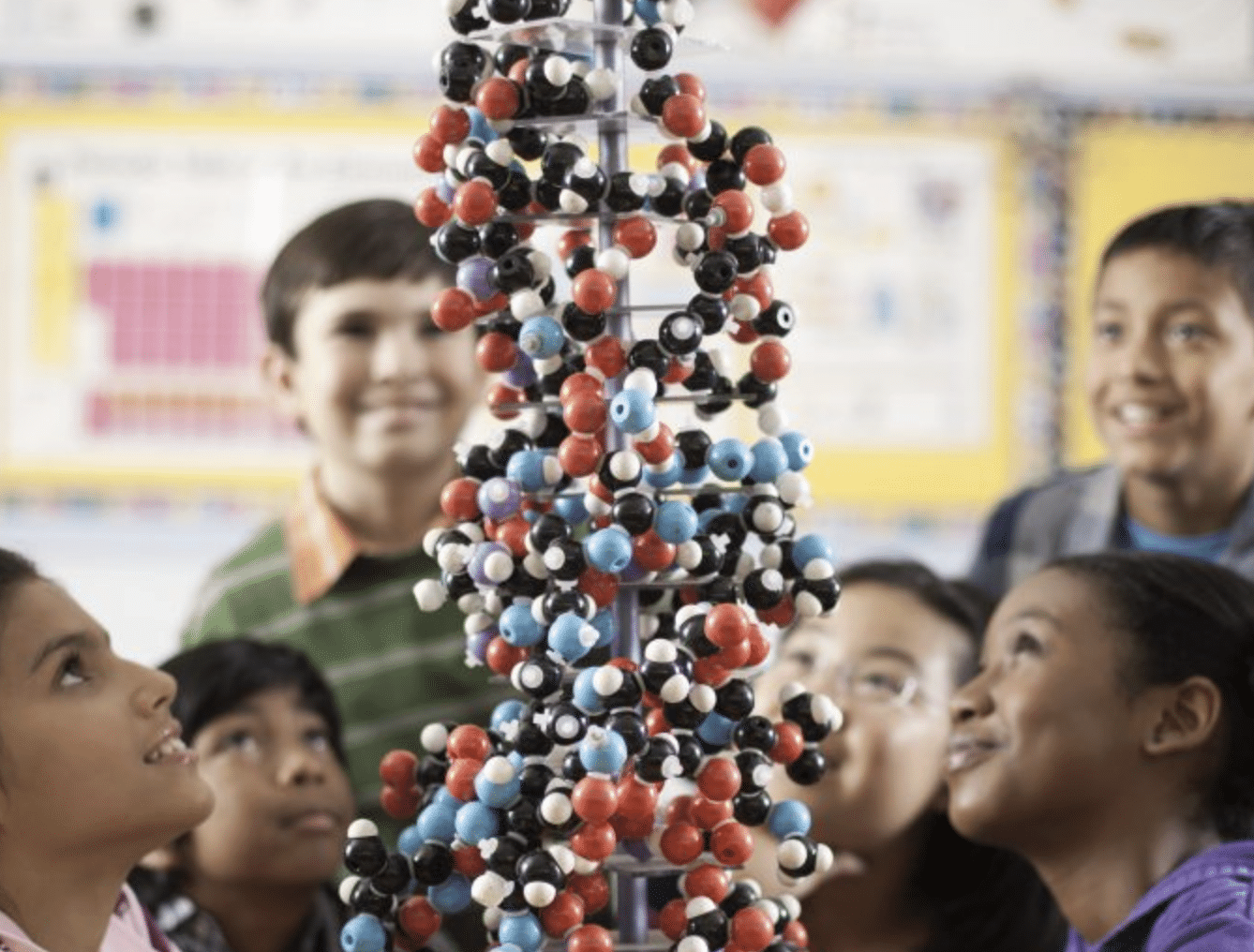
Keeping a classroom engaged for a full school year takes more than just good lesson plans. Over eighteen years, I built up a rotation of activities that consistently worked, no matter what time of year or what subject we were covering.
Here are 17 of those, counted down to the one I leaned on more than any other.

17. Classroom Scavenger Hunts
A simple scavenger hunt tied to whatever unit you’re covering gets kids moving and thinking at the same time. It works for almost any subject with a little adjustment.
This is a great option for the restless energy right before a break.
16. Show and Tell With a Twist
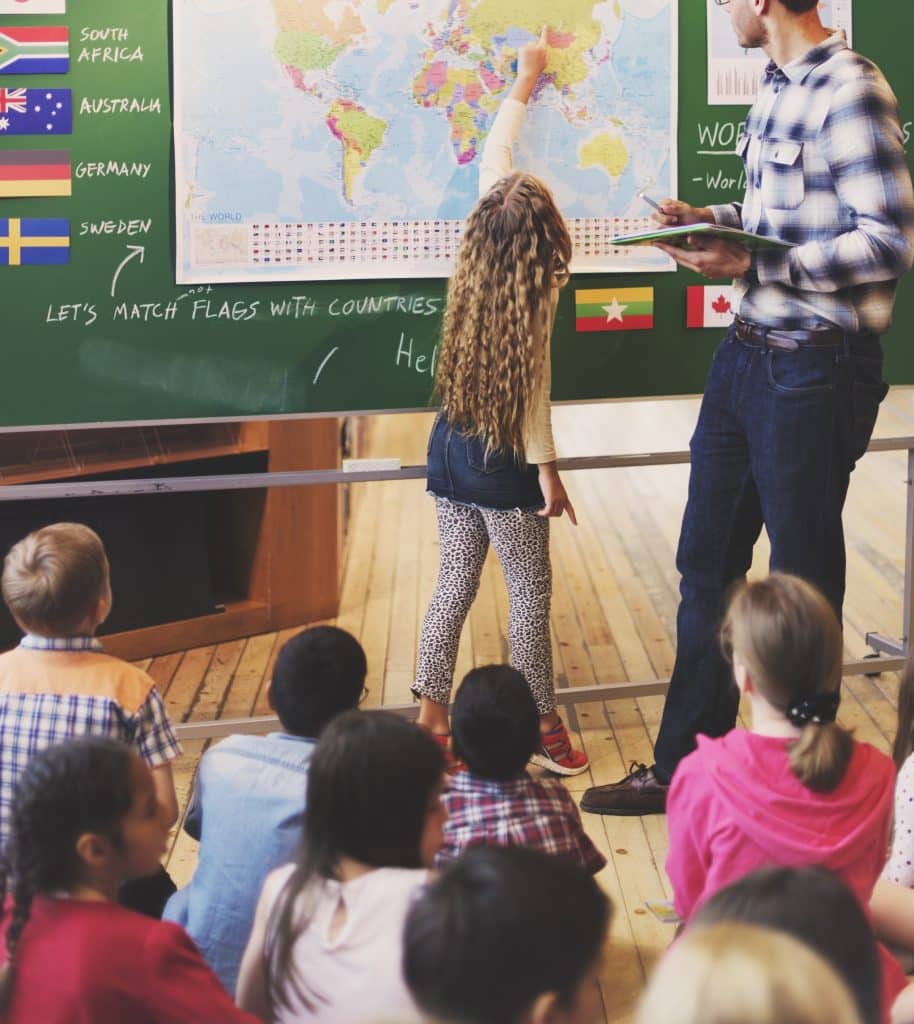
Instead of a standard show and tell, tie the theme to whatever you’re currently learning about. It keeps the format familiar while sneaking in extra engagement with the material.
Kids take these more seriously when there’s a clear connection to class.
15. Partner Reading Time
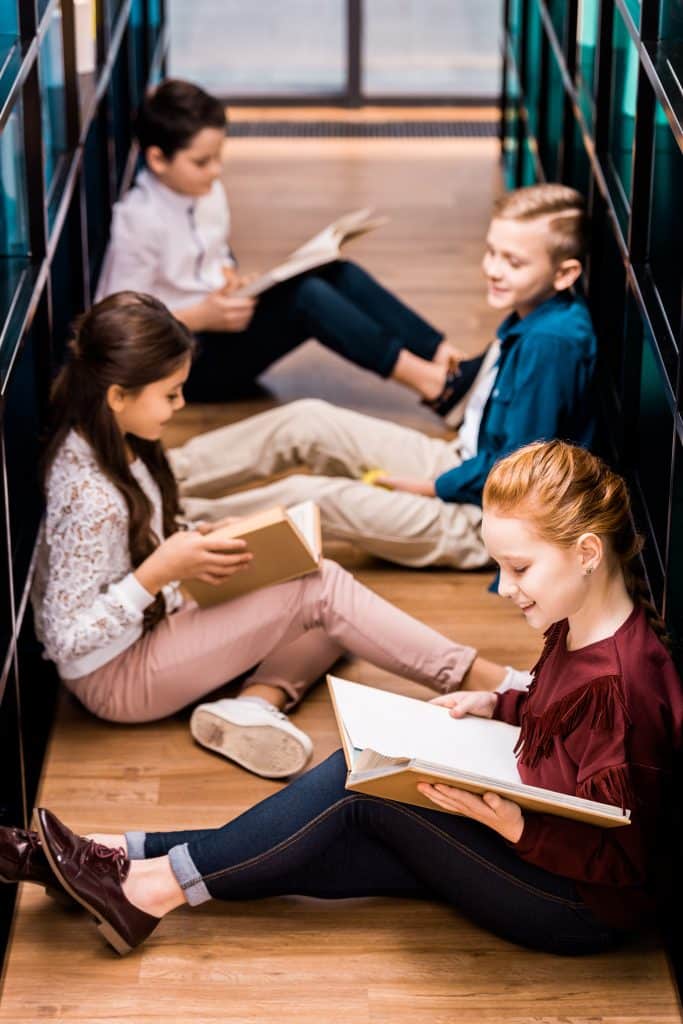
Pairing kids up to read together, rotating partners regularly, builds both reading confidence and social skills at the same time. It’s a nice break from independent or whole-group reading.
More like this: 17 Coloring Page Ideas Every Elementary Teacher Should Have on Hand
This works especially well for kids who are hesitant to read aloud alone.

14. Classroom Job Rotations
Giving every student a small job, line leader, plant waterer, whatever fits your classroom, builds responsibility and gives kids a sense of ownership over their space. Rotating jobs weekly keeps it fair and interesting.
This is one of the simplest ways to build classroom community.
13. Themed Reading Corners
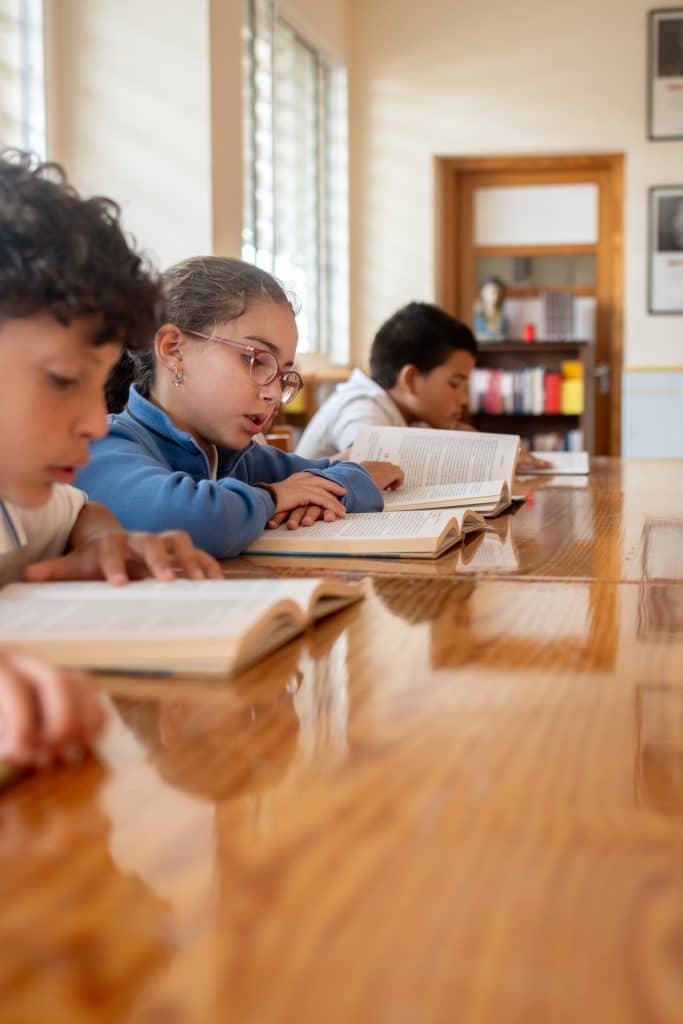
Rotating the books and decorations in a reading corner to match the season or current unit keeps that space feeling fresh instead of static all year. Kids respond well to small environmental changes like this.
It doesn’t take much effort to refresh, but the impact is noticeable.
12. Interactive Word Walls
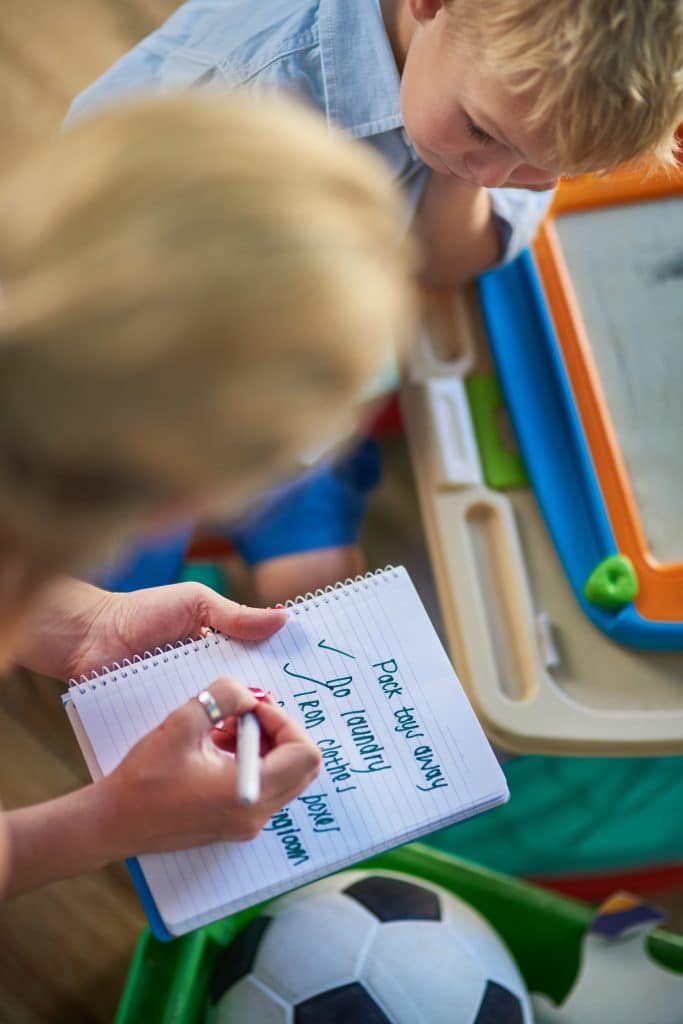
A word wall that changes and grows throughout the year gives kids a visual reference they actually use, rather than decoration that gets ignored after the first week. Involving kids in adding to it increases engagement.
This works well across nearly every subject, not just reading.

11. Brain Break Movement Activities
A quick, structured movement break between lessons resets attention span better than pushing through a long stretch of sitting. Even two or three minutes makes a real difference.
"This is the trick I give every tired parent who asks me for one."
12 Genius Ways Parents Use Coloring Time Beyond Just Coloring →This is one of the easiest changes to add to any existing schedule.

10. Peer Teaching Moments
Letting a student who’s mastered a concept briefly explain it to a small group reinforces the material for both the student teaching and the ones listening. It also builds confidence in unexpected ways.
This works especially well in mixed-ability classrooms.

9. Classroom Reward Systems Tied to Group Goals
A shared classroom goal, rather than individual competition, builds cooperation instead of rivalry among students. Working toward something together tends to produce better behavior overall.
This shifted the whole tone of my classroom when I started using it.
8. Hands-On Science Stations
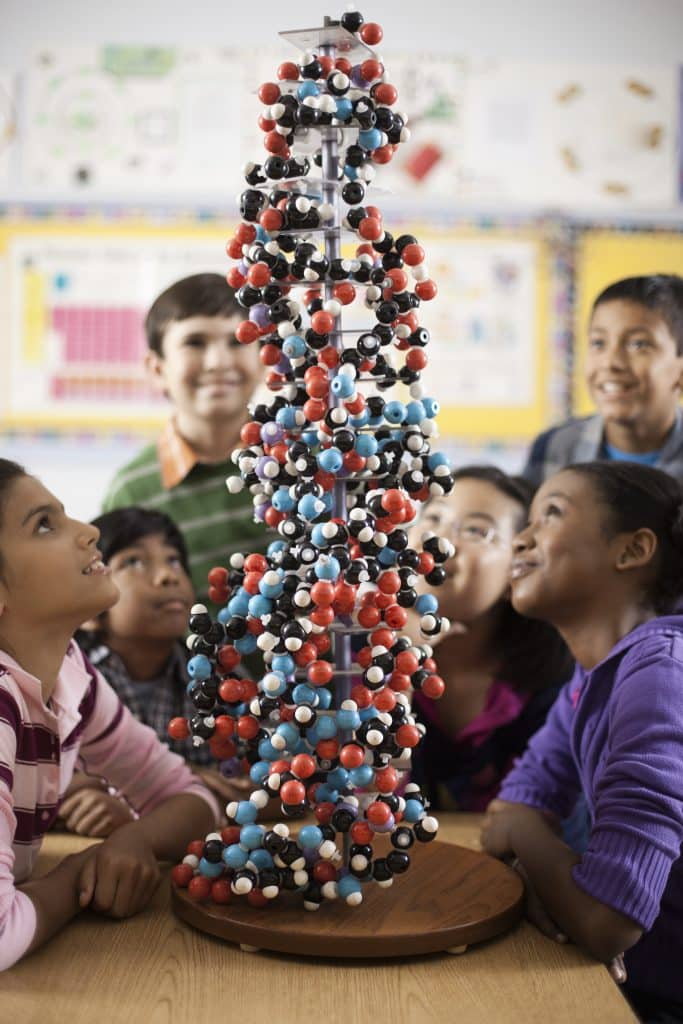
Rotating hands-on science stations, even simple ones, keep kids engaged far more than a lecture-only approach to a science unit. Kids remember what they physically did far longer than what they were just told.
This is worth the extra setup time almost every single time.

7. Story-Based Math Problems
Turning math problems into a short story or scenario makes abstract concepts feel more concrete for a lot of students. It doesn’t need to be elaborate, just enough context to make the numbers mean something.
✎ Printable Picks
This small shift genuinely changed how some of my students approached math.
6. Classroom Plants or a Small Pet
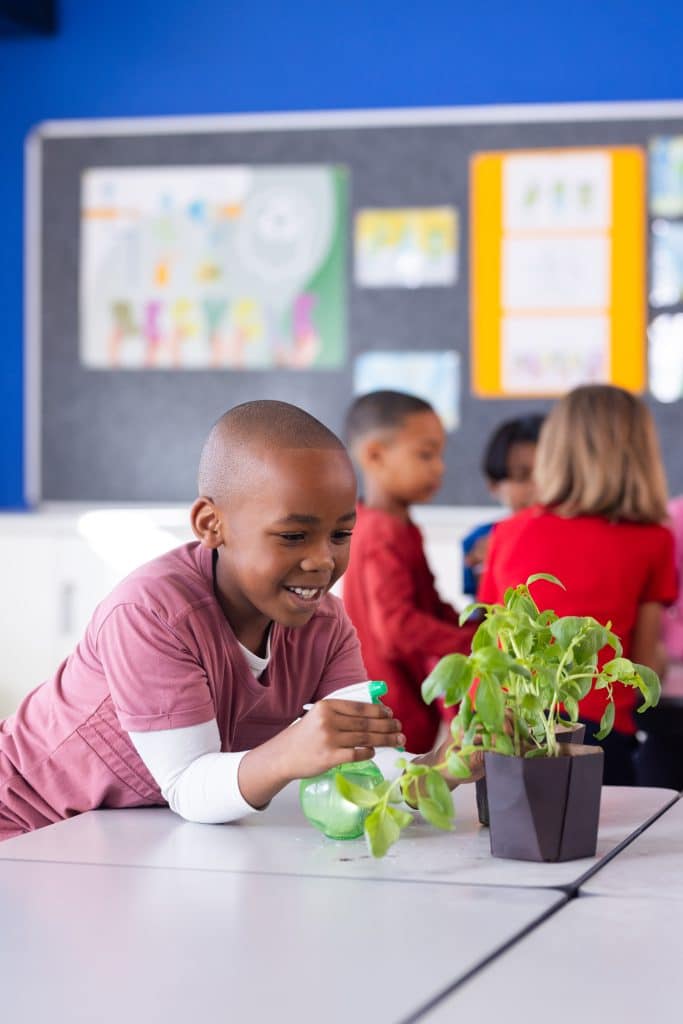
Giving students a responsibility like caring for a classroom plant builds a sense of ownership and routine. It’s a small, steady presence in the room that kids genuinely connect with over time.
This works well as a year-long project rather than a one-time activity.
5. Flexible Seating Options
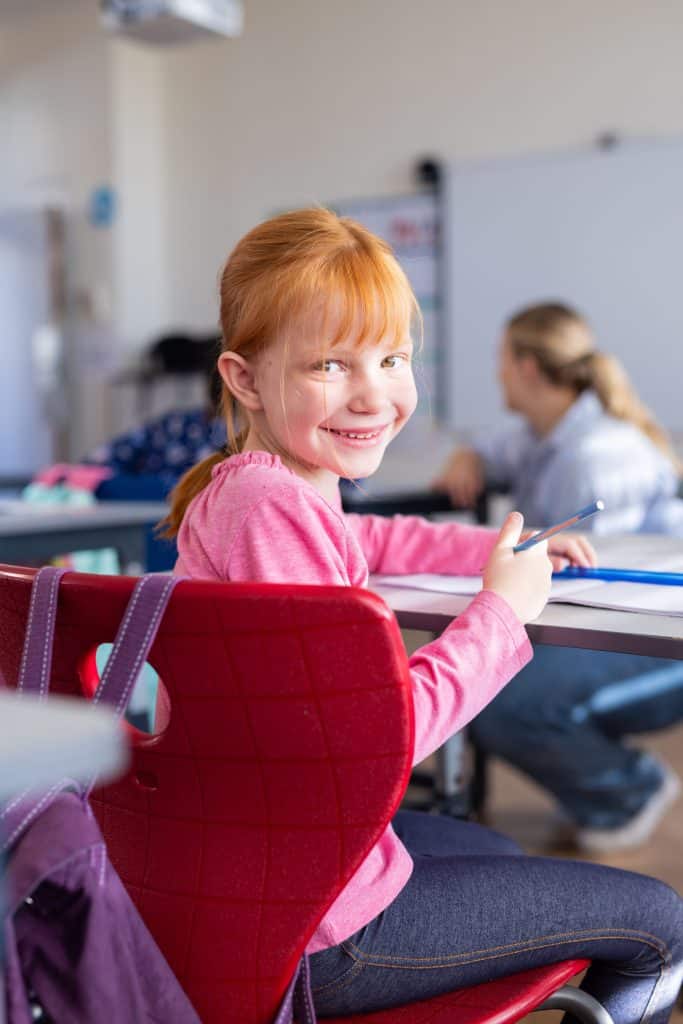
Allowing some choice in where and how kids sit, within reasonable limits, gives students a sense of control that improves focus for a lot of them. It doesn’t need to be an expensive overhaul, just a few alternative options.
Small changes like this tend to have a bigger impact than expected.

4. Regular Reflection Journals
A simple journal where kids reflect on what they learned or how their day went builds both writing skills and self awareness over time. It doesn’t need to be graded, just consistent.
This became one of my favorite parts of the day over the years.
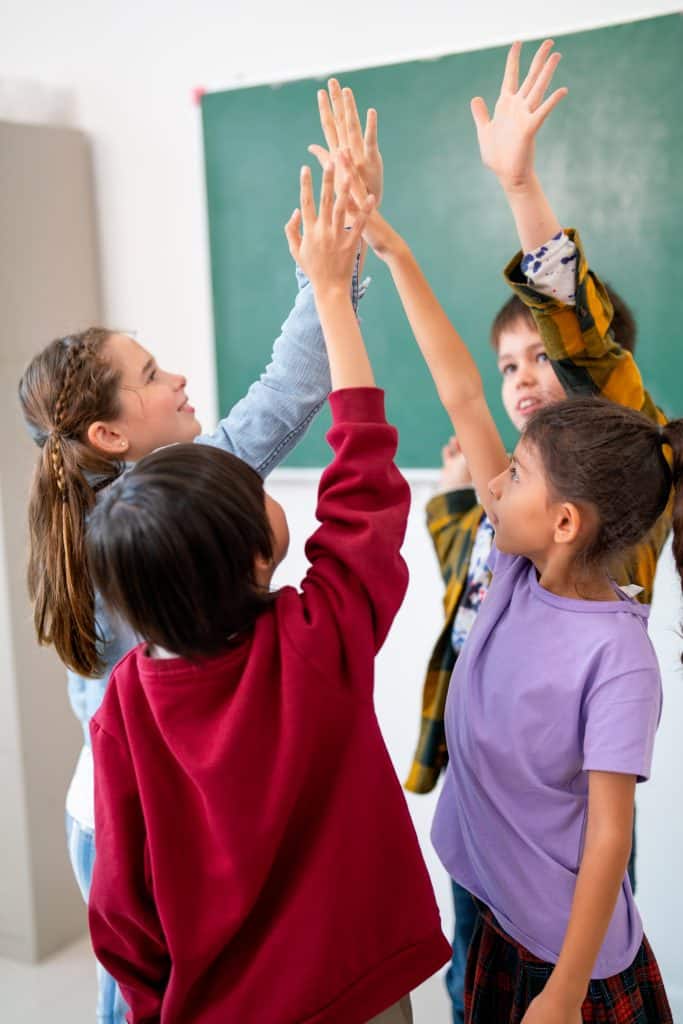
3. Celebrating Small Wins Publicly
Taking a moment to acknowledge small progress, not just big achievements, keeps motivation up throughout a long school year. Kids respond well to feeling seen for effort, not just results.
Keep Them Busy · Parent Hack
This is a simple habit that costs nothing and pays off constantly.

2. Choice-Based Assignments
Giving students some choice in how they demonstrate what they’ve learned, a poster, a short presentation, a written piece, increases engagement more than a single required format ever could. Not every student shows understanding the same way.
This shift changed how many of my students approached assignments they used to dread.
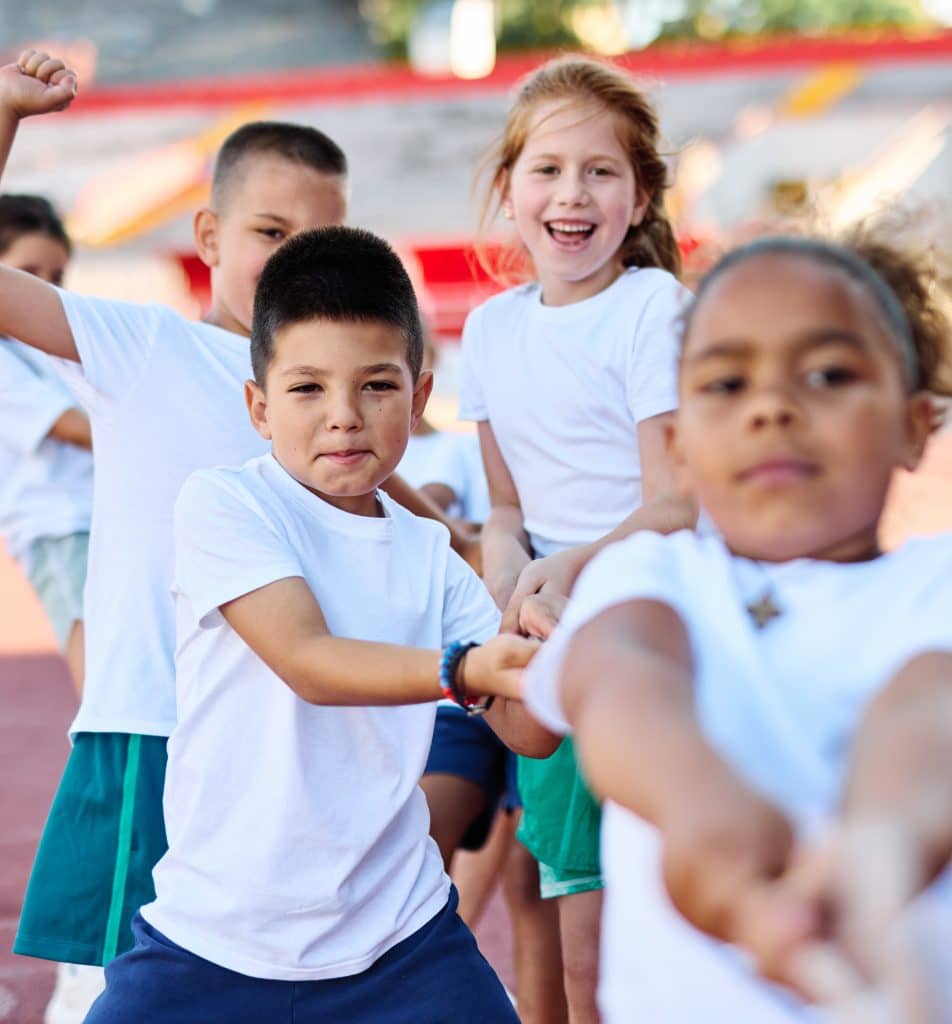
1. Building Genuine Relationships With Every Student
This takes the top spot because nothing else on this list works as well without it. Kids engage more, behave better, and try harder for a teacher they feel genuinely knows and cares about them.
Every other activity on this list is a tool, and tools only work as well as the relationship behind them. Eighteen years in the classroom taught me that lesson more than any single strategy or activity ever could.
Before you go — a few more to color your afternoon:
Final Thoughts
If you only take one thing from this list, let it be the last one. Every other idea here works better once that foundation is actually in place.
The choice-based assignments and flexible seating ideas are close behind, mostly because they give kids a sense of control that a lot of traditional classroom structures don’t.
Which of these activities have you tried, and which one made the biggest difference in your classroom?