17 Coloring Page Ideas Every Elementary Teacher Should Have on Hand
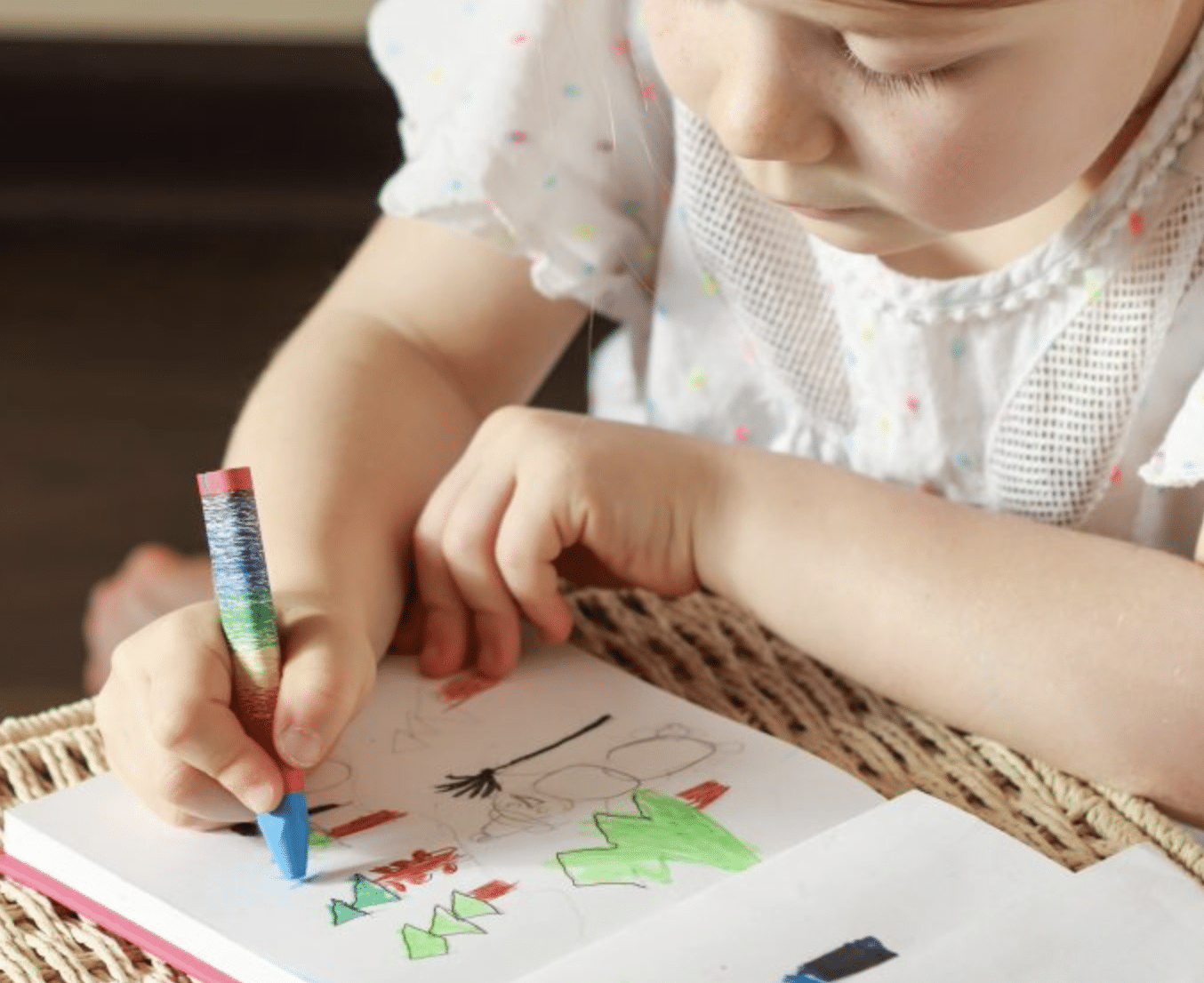
Every elementary teacher ends up with a folder somewhere, physical or digital, full of coloring pages saved for exactly the right moment. Early finishers, indoor recess, the last twenty minutes before a fire drill nobody scheduled, a sub day when the lesson plan falls apart. A good coloring page stash isn’t filler, it’s classroom management disguised as art time.
Here are seventeen coloring page ideas worth having ready to go, for all the different moments an elementary classroom throws at a teacher.
1. Seasonal Pages for Whatever Month It Is
A rotating set of seasonal pages (leaves in fall, snowflakes in winter, flowers in spring) gives teachers something that always feels timely without much extra thought. Kids also just like coloring things that match what’s actually happening outside the window.
Keeping a folder organized by season means grabbing the right page takes seconds, not a scramble through a pile of printouts five minutes before the bell.
2. Alphabet Letter Pages for Early Elementary
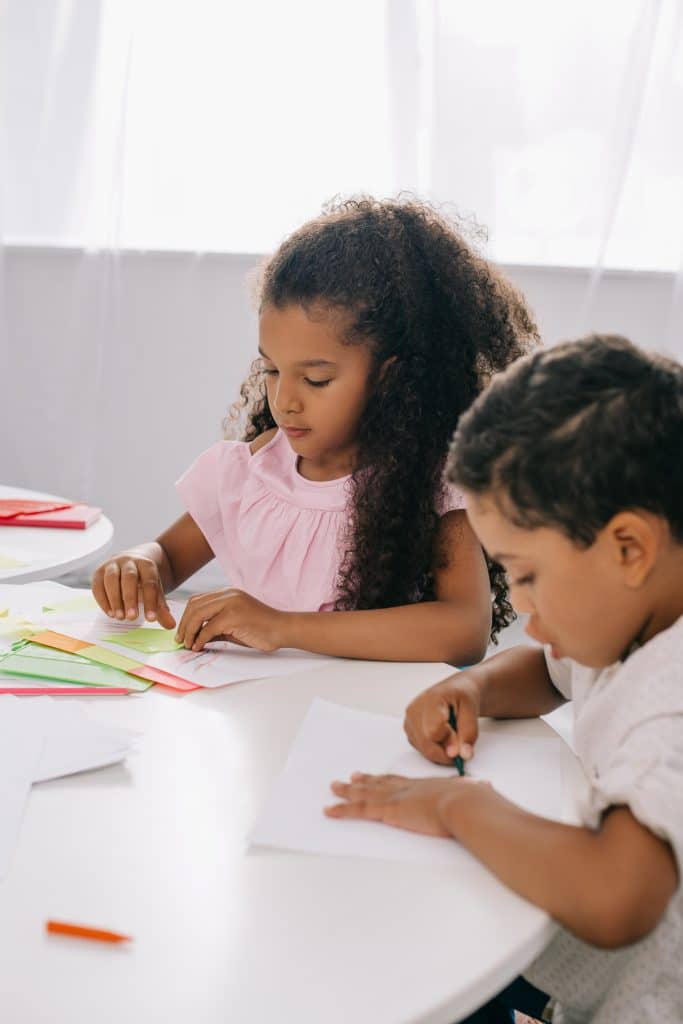
For kindergarten and first grade classrooms, letter-focused coloring pages double as low-key reinforcement. A big bubble letter with a matching picture to color gets literacy practice in without it feeling like a worksheet.
These work especially well as morning work or during small group rotations, since a kid working independently on a letter page frees up a teacher to focus on a group that needs more direct attention.
More like this: 21 Classroom Coloring Activities That Double as Learning Tools
3. Number and Counting Pages for Early Math Practice
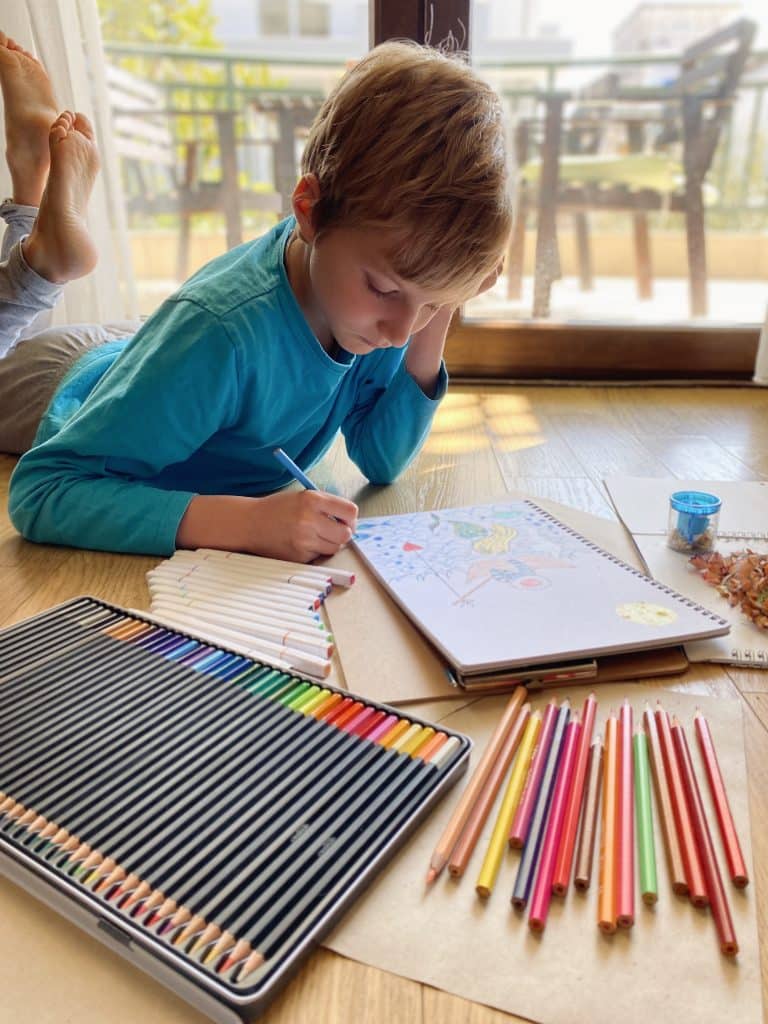
Similar idea, but for numbers. Pages that pair a number with a matching count of objects to color give early math skills a quiet workout during otherwise unstructured time.
They’re also useful diagnostically. Watching which kids color the right quantity without prompting, and which kids need a nudge, gives a teacher a quick informal read on where counting skills actually stand.
4. Mandala and Pattern Pages for Older Kids
Once kids hit upper elementary, simple seasonal pages start to feel a little young for them. Mandalas and geometric pattern pages fill that gap, offering something more sophisticated looking without requiring any new skill to attempt.
These are also genuinely calming for older kids who might roll their eyes at anything more obviously “little kid,” which matters more than it sounds like for keeping buy-in through fourth and fifth grade.
5. Animal Pages Sorted by Habitat or Unit
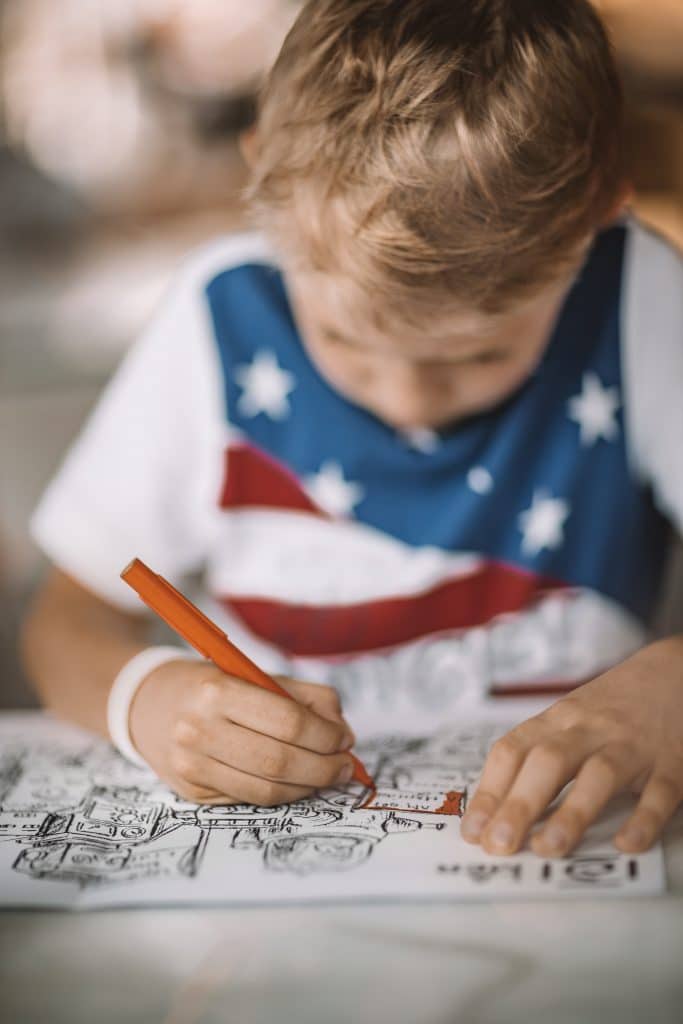
If a coloring page happens to connect to whatever science unit is running (ocean animals during a marine unit, forest animals during an ecosystems unit), it stops feeling like busy work and starts feeling like it belongs.
Having animal pages pre-sorted by habitat or category means a teacher can grab something relevant fast instead of digging through a generic animal folder hoping something fits the current unit.
6. Holiday Pages That Skip the Controversial Ones
Holiday coloring pages are classroom staples, but the safest bets are the ones tied to non-religious, broadly celebrated occasions (pumpkins, hearts, four-leaf clovers) rather than anything that might leave a kid or a family feeling left out.
Keeping a folder of these neutral seasonal-holiday pages on hand means a teacher doesn’t have to make that judgment call under time pressure in October or December when everyone’s asking for something fun.
"This is the trick I give every tired parent who asks me for one."
12 Genius Ways Parents Use Coloring Time Beyond Just Coloring →
7. Emotion and Feelings Pages for Morning Meeting
Pages built around identifying emotions (faces to color based on a mood, a feelings wheel to fill in) work well during morning meeting or SEL time. Coloring gives kids something to do with their hands while the class talks through bigger feelings-related topics.
These pages also travel well to indoor recess or after a rough transition, giving a kid something calming to focus on that’s still loosely tied to actual curriculum.

8. Community Helper Pages for Social Studies
Firefighters, doctors, mail carriers, teachers themselves, community helper pages are a staple of early elementary social studies units and hold up well as a coloring option even outside that unit specifically.
They’re an easy grab for career day, a related field trip, or just general filler when a social studies lesson wraps up early and there are ten minutes left to fill.

9. Map and Flag Pages for Geography Tie-Ins
State shapes, country outlines, flags to color, these give geography lessons a hands-on piece without eating into instructional time. A kid coloring their state’s shape is absorbing a little bit of geography almost by accident.
They also make for solid early finisher options during a social studies block specifically, since the connection to the lesson is obvious enough that it doesn’t feel like a random reward unrelated to what the class is doing.
10. Simple Mazes and Dot-to-Dots as a Coloring Alternative
Not every “coloring page” needs to be strictly coloring. Mazes and dot-to-dot pages that end in something to color afterward give kids a little more to chew on and work well for kids who finish traditional coloring pages fast and want more of a challenge.
These are useful to have as a tier above basic coloring pages, for kids who need just slightly more to stay engaged during independent work time.
✎ Printable Picks

11. Blank Templates for Student-Created Designs
Sometimes the best coloring page is barely a page at all, just a simple blank template (a plain shape, a border, a basic outline) that kids fill in with their own design ideas rather than a preset picture.
These work well for early finishers who’ve burned through the usual options, and they tend to hold attention longer since the kid is creating something original instead of filling in someone else’s outline.

12. Classroom Rule or Procedure Pages for the Start of the Year
At the beginning of the year, coloring pages built around classroom rules or routines (a page listing expectations with room to decorate around them) turn a fairly dry topic into something a little more hands-on.
These are worth having ready specifically for the first week or two, when a lot of instructional time gets eaten up by procedures anyway and a coloring tie-in gives that time a slightly more engaging shape.

13. Storybook Character Pages Tied to Read-Alouds
A coloring page featuring a character from whatever book the class is currently reading gives read-aloud time a little extra staying power. Kids color while they listen, or right after, and the story sticks a bit better for it.
These are easy to keep loosely organized by book title so a teacher can grab the right one fast without needing to plan it days in advance.
14. Sub Folder Pages That Need Zero Explanation
Every classroom needs a designated sub folder, and coloring pages that are completely self-explanatory (no complicated instructions, no materials beyond crayons) belong in it. A substitute teacher unfamiliar with the class shouldn’t need a manual to run twenty minutes of coloring time.
These pages are worth picking specifically for their simplicity over their creativity. The goal on a sub day is smooth and low-confusion, not elaborate.
Keep Them Busy · Parent Hack

15. Test Prep Break Pages for Testing Season
During standardized testing windows, short coloring breaks between testing blocks give kids a mental reset without introducing anything too stimulating or distracting right before they go back into another test.
Simple, calm pages work best here, nothing too exciting or complicated, just enough to give kids’ brains a breather before the next section starts.
16. Birthday and Celebration Pages for Classroom Milestones
A page set aside for birthdays or classroom milestones (a cupcake to color, a banner template) gives these moments a little something special without requiring an actual party or a big disruption to the schedule.
Keeping a small stack of these on hand means a teacher isn’t scrambling to make a kid’s birthday feel acknowledged on a day that’s otherwise packed with regular instruction.

17. Growth Mindset and Motivational Quote Pages
Pages that pair a simple motivational phrase or growth mindset message with something to color give a classroom a low-key way to reinforce those messages beyond just posters on the wall.
Before you go — a few more to color your afternoon:
These work well distributed occasionally throughout the year, maybe after a hard test or a tough week, as a small, low-pressure reminder that effort and attitude matter, wrapped in something kids will actually enjoy doing.
No teacher is printing all seventeen of these every week, but having a little bit of everything on hand means there’s always something ready for whatever the day throws at a classroom.
What’s the coloring page category your classroom leans on the most?