15 Easy Coloring Activities Kids Can Do Completely on Their Own
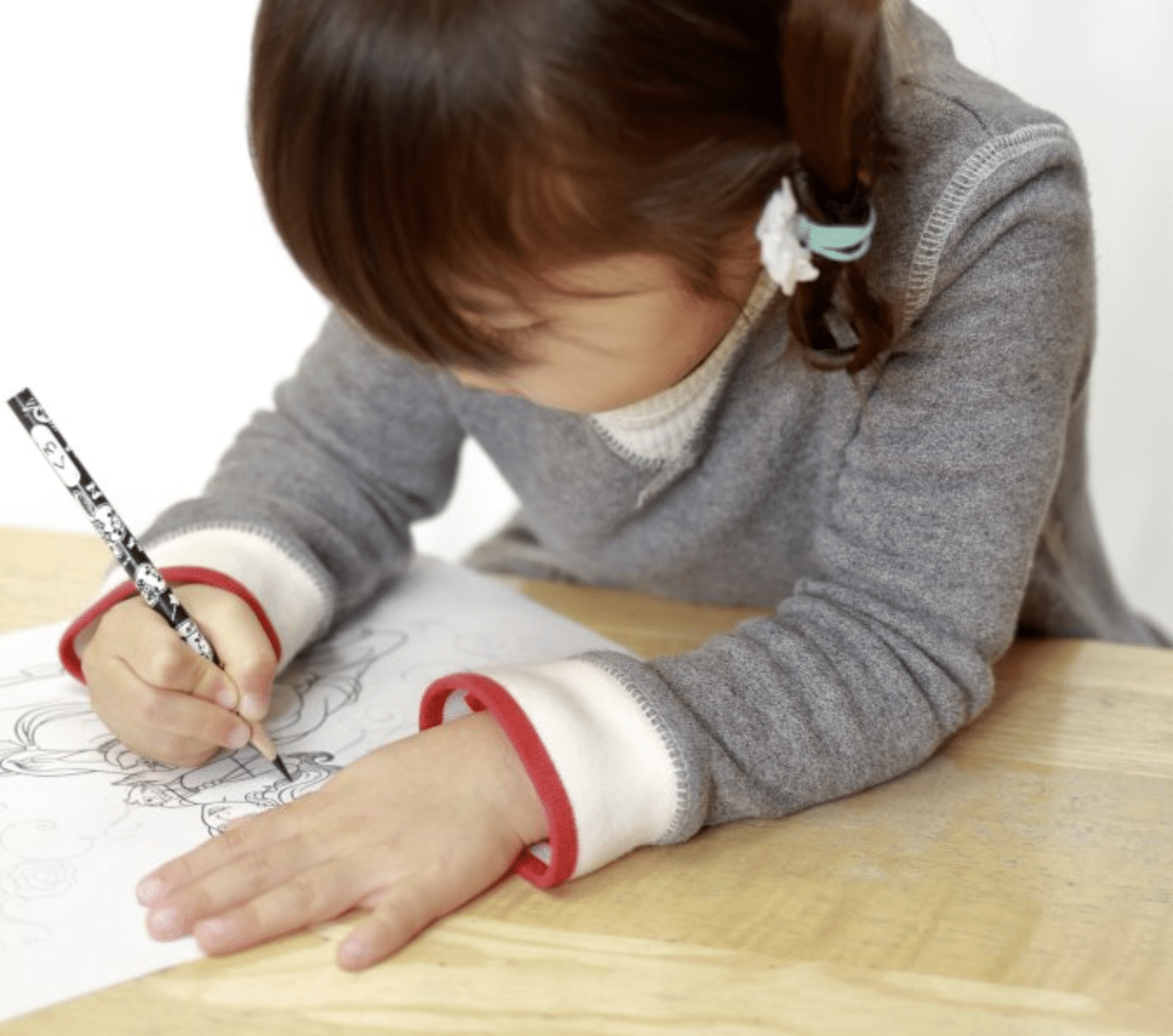
There’s a difference between an activity that keeps a kid busy and one that keeps them busy without needing you every five minutes. A lot of coloring setups sound independent on paper but end up needing help finding supplies, understanding instructions, or just deciding what to do next.
The activities below are built to actually run themselves once a kid gets started, no reading required, no complicated setup, nothing that needs a grown up hovering nearby. Some lean simple for younger kids just getting the hang of independent play, others give older kids enough to chew on that they’ll stay put for a while.
Here are fifteen ways to hand a kid a page and a box of crayons and actually walk away.
1. Free Draw and Color Pages
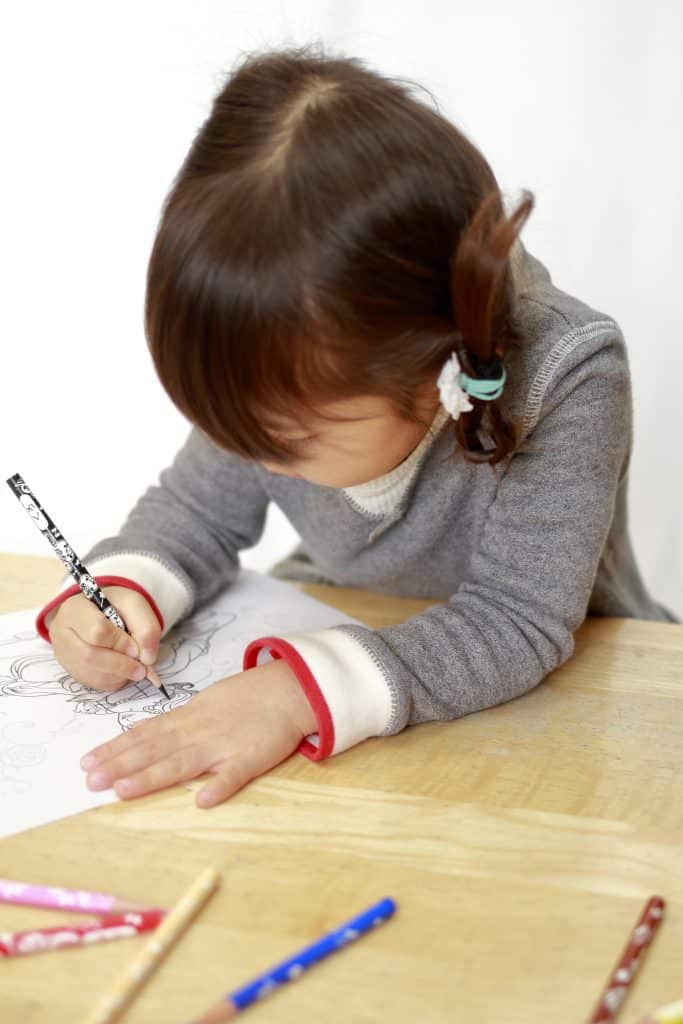
A totally blank page with no lines or instructions might sound like it needs more guidance than a structured one, but for a lot of kids it’s the easiest thing to sit down with completely on their own. There’s nothing to get wrong and nothing to figure out, just space to fill however they want.
This works especially well for kids who get frustrated by staying inside lines, since a blank page removes that pressure entirely.
Keep a stack of plain paper next to the coloring supplies so this option is always available without anyone needing to print anything first.
2. Simple Single Subject Coloring Pages
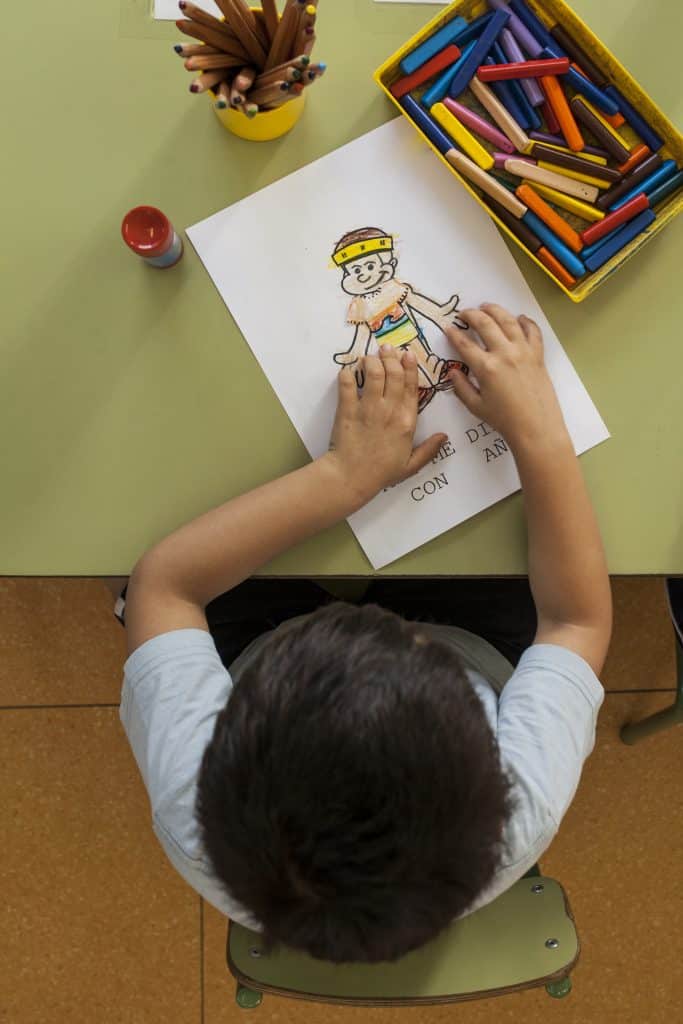
A page with one big, simple subject, a single animal or object with a handful of large sections, is about as low effort as coloring gets. There’s no reading involved and no decisions beyond which color goes where.
This is a strong starting point for younger kids who are still building the attention span for longer activities, since the whole thing can be finished start to finish without needing help along the way.
More like this: 11 Boredom-Buster Coloring Ideas for a Rainy Afternoon
Keeping a rotating stack of these on hand means a kid always has something simple to grab without asking what to do.
3. Color by Number Pages
Once a kid knows their numbers, color by number pages run entirely on their own steam. The numbers tell them exactly what to do, and the picture reveals itself as a built in reward for finishing.
There’s no reading involved beyond recognizing the numbers, which makes this one accessible earlier than a lot of other independent activities.
It also has a natural stopping point built in, since the picture is either done or it isn’t, which gives a kid a clear sense of when the activity is finished.
4. Sticker and Coloring Combo Pages
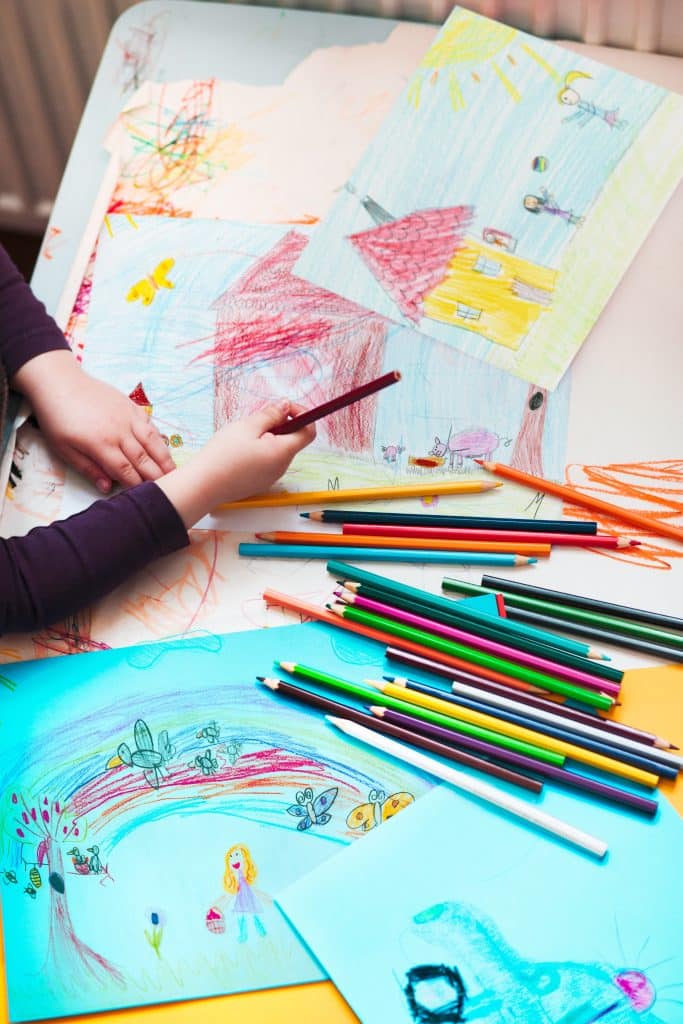
Pages that combine a coloring section with a spot to add stickers give a kid two different things to do without needing new instructions for either one. The variety alone tends to hold attention longer than a page asking for just one kind of activity.
This works well as a slightly longer independent stretch, since finishing the coloring portion often leads straight into the stickers without a break.
Keep a small sheet of stickers in the same bin as the coloring supplies so nothing extra needs to be tracked down mid activity.
5. Dot to Dot Coloring Pages
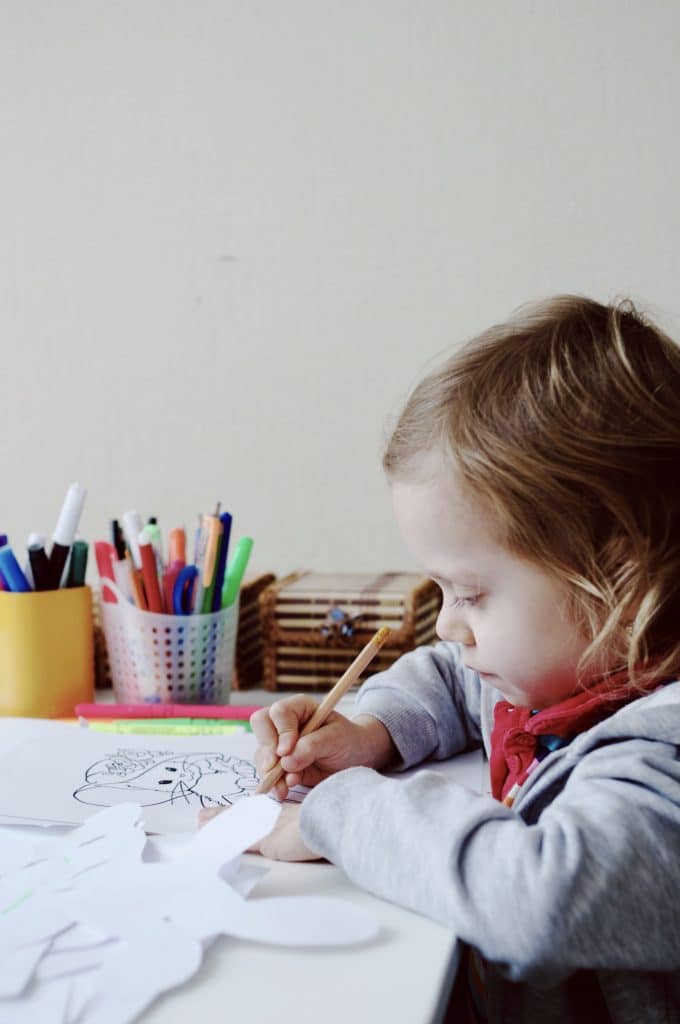
Dot to dot pages give a kid a clear built in sequence to follow, connect the dots, see the picture appear, then color it in. The structure of the activity does most of the work of keeping a kid engaged without needing anyone else involved.
This is a good option for kids who like a bit of a puzzle mixed into their coloring time, since there’s a small reveal moment before the coloring even starts.
It also naturally scales in difficulty, so a simple twenty dot page works for younger kids while a denser hundred dot page can hold an older kid’s attention a lot longer.
"I still use this one in my own classroom notes."
21 Classroom Coloring Activities That Double as Learning Tools →
6. Mandala and Pattern Coloring Pages
Pages built around repeating patterns or mandala designs don’t require any reading or instructions, just a willingness to keep filling in shapes. The repetitive nature of the pattern tends to pull kids into a steady, focused rhythm without needing prompting.
These work especially well for older kids who’ve outgrown simpler pages but still want something low effort and calming rather than a complicated project.
Because there’s no wrong way to color a pattern page, it’s an easy one to hand over without any explanation needed first.
7. Hidden Picture Coloring Pages
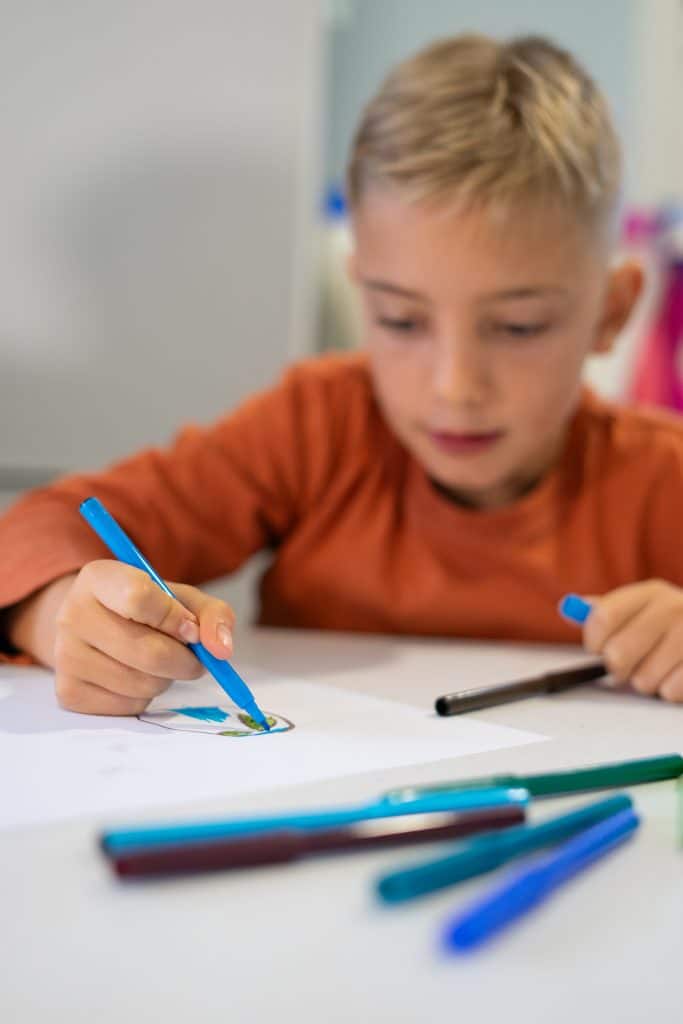
Pages that hide smaller images inside a larger scene turn coloring into a bit of a search, which tends to hold attention longer than a straightforward page might. Finding each hidden item becomes its own small goal before the coloring even starts.
This works well for kids who like a challenge mixed into downtime, since there’s a built in reason to keep looking closely at the page.
It’s also an easy one to leave out without supervision, since the “find it” instructions are usually simple enough for a kid to figure out just by looking at the page itself.

8. Scene Building Coloring Pages
Pages with a wide open scene, a park, a bedroom, an underwater world, invite a kid to fill in details and build out a little story as they color, without needing any actual reading or instructions. The open ended nature keeps things interesting well past just filling in a single object.
Kids often narrate while working through these, which keeps them engaged with the page even longer than a simpler subject might.
These tend to hold attention especially well for kids who enjoy imaginative or pretend play, since the scene gives them a canvas to build a whole little world.
9. Symmetry Coloring Pages
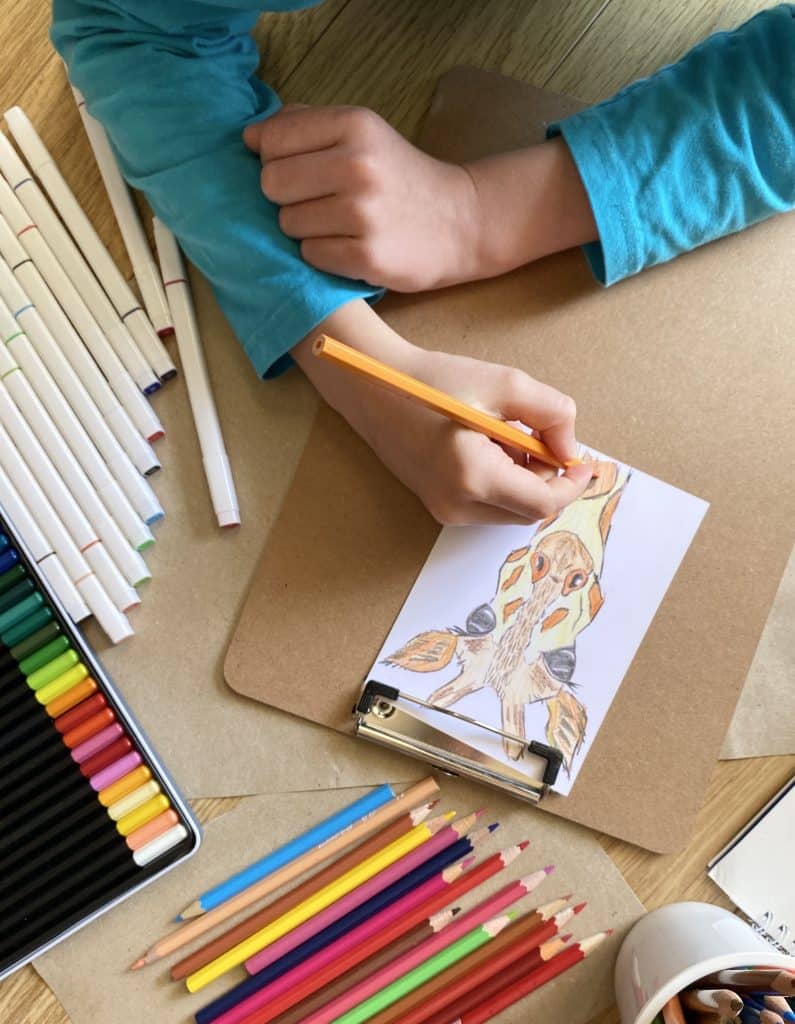
Pages that show half of an image, asking a kid to color and complete the missing half to match, give a simple built in challenge that doesn’t require any outside instruction. Kids figure out the goal just by looking at the page.
This works well for kids who like a bit of a puzzle element without anything too complicated, since matching colors and shapes is intuitive without needing it explained.
✎ Printable Picks
It also holds up as a repeatable activity, since there are endless subjects that can be turned into a symmetry page.
10. Alphabet and Number Coloring Pages
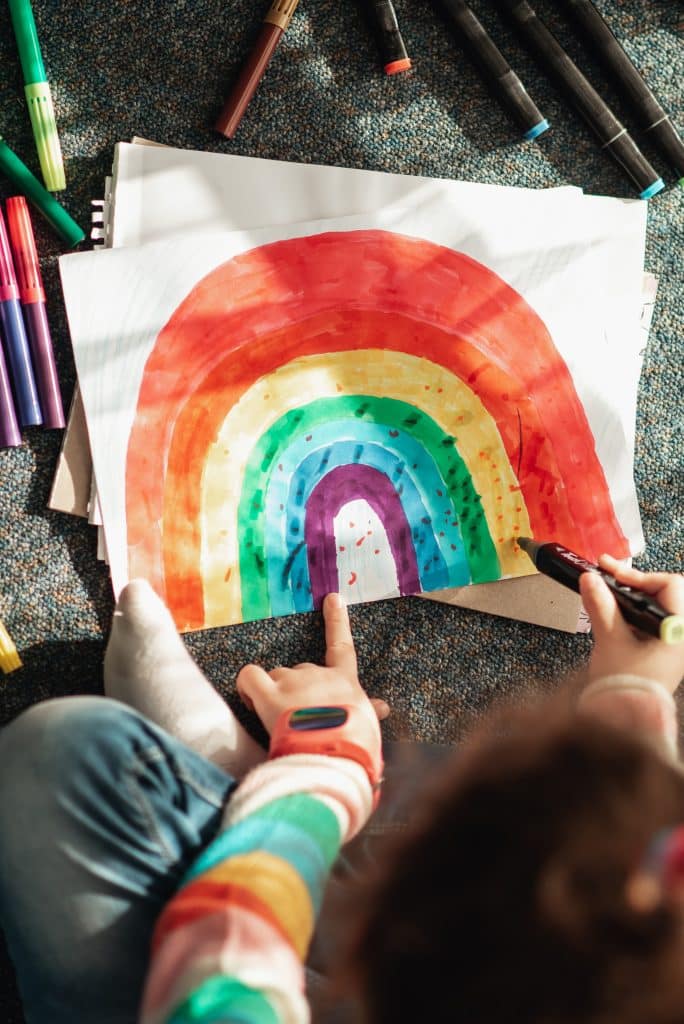
Pages built around a single letter or number, paired with a simple picture, give younger kids a clear, self contained activity that doesn’t require reading instructions. The letter or number itself is the whole point, and the picture is just a bonus.
These work especially well for kids just starting to build independent play skills, since the activity is short enough to finish without losing interest partway through.
Keeping a full set on hand means there’s always another one ready to grab once the current page is finished.
11. Nature and Animal Coloring Pages
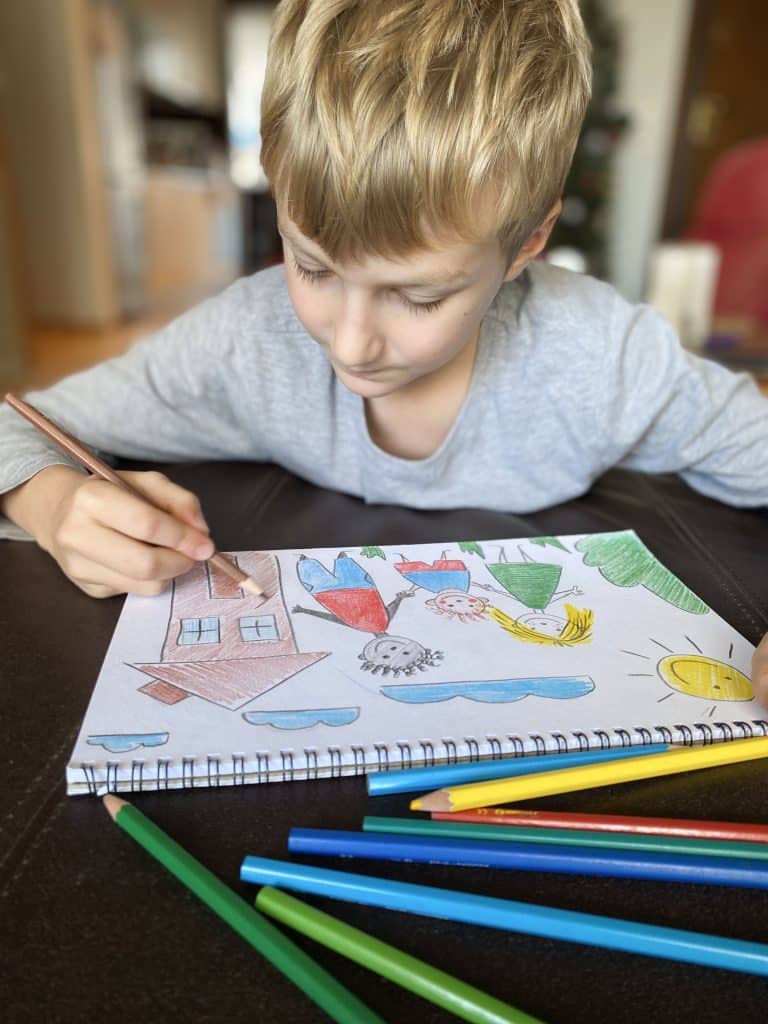
Pages featuring animals or outdoor scenes tend to hold a kid’s interest without needing much explanation, especially if the subject is something they already like. A page full of ocean animals or forest creatures gives a lot to look at and color without any structure required.
These work well as a rotating category, since swapping in new animals or settings keeps things feeling fresh even without changing the format at all.
Because the appeal comes from the subject matter rather than any instructions, these are easy to leave out without any setup beyond having the page ready.
12. Doodle and Fill In Coloring Pages
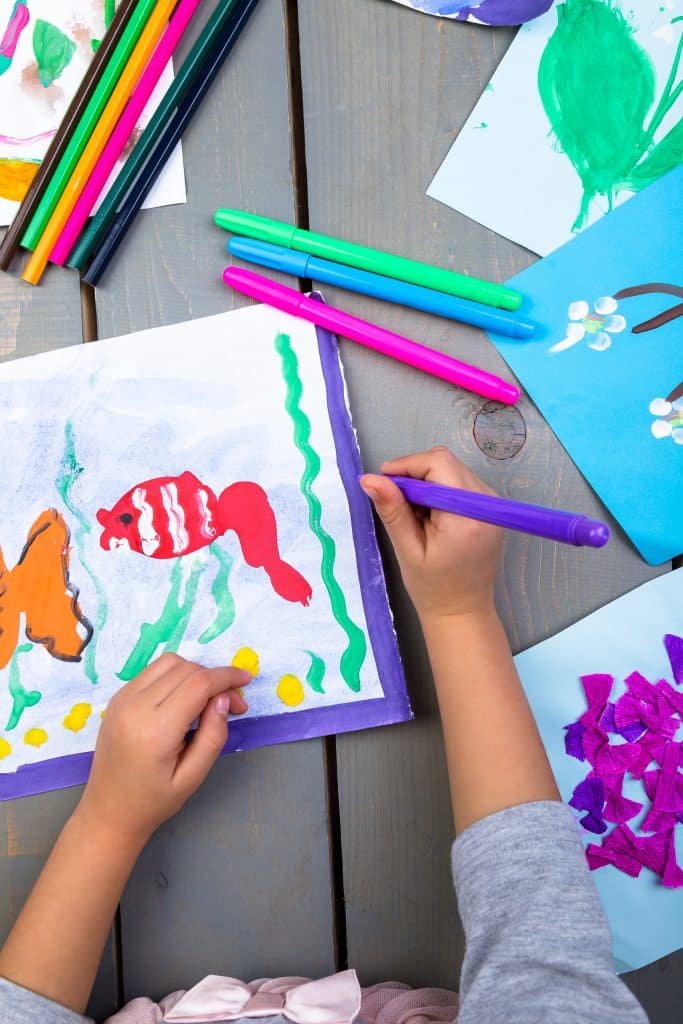
Pages with small doodle prompts scattered around, an empty thought bubble, a blank shirt, a plain flower, give a kid tiny open ended tasks to fill in as they go, all without needing anything explained first. Each prompt is simple enough to figure out just by looking at it.
This works well for kids who like having a little bit of direction without a fully structured page, since the prompts give just enough of a nudge.
It also holds attention longer than a single subject page, since there are multiple small tasks spread across the same sheet.
Keep Them Busy · For the Classroom
13. Repeat Pattern Grid Pages
Pages divided into a grid of small, simple shapes, each one meant to be colored differently, give a kid an easy, low pressure activity that runs entirely on repetition. There’s no real decision making required beyond picking a new color for each square.
These work especially well for kids who find comfort in repetitive tasks, since the format stays the same the whole way through.
It’s also one of the easiest pages to leave out without supervision, since there’s nothing to misunderstand about what to do next.
14. Story Panel Coloring Pages
Pages broken into a few small panels showing a simple sequence, like a seed growing into a flower, give a kid a page with a bit of a built in narrative to follow while coloring. The story does the work of keeping interest going from one panel to the next.
These work well for kids who enjoy a bit of storytelling mixed into their coloring time, since finishing one panel naturally pulls them into the next.
Because the sequence is visual rather than written, no reading is required to understand what’s happening across the page.
Before you go — a few more to color your afternoon:

15. Favorite Character or Theme Coloring Pages
Pages built around whatever a kid is currently into, dinosaurs, space, a favorite animal, hold attention with almost no effort required, since the interest is already built in before the crayon ever touches the page. No instructions are needed when the subject itself is the motivation.
These work well as a reliable fallback option, since a themed page tends to outperform almost anything else when a kid’s attention is running low.
Keeping a small stash tied to current interests means there’s always something on hand that doesn’t need any convincing to get a kid to sit down with it.
Independent coloring time doesn’t have to mean handing over a stack of random pages and hoping for the best. The right setup, simple, self explanatory, and matched to a kid’s current skill level or interests, is what actually lets a kid sit down and go without needing anyone else in the room. Some days that means a blank page and total freedom, other days it means a themed page tied to whatever they’re currently obsessed with.
Which of these is already a go to in your house, and which one are you trying out next?