21 Classroom Coloring Activities That Double as Learning Tools
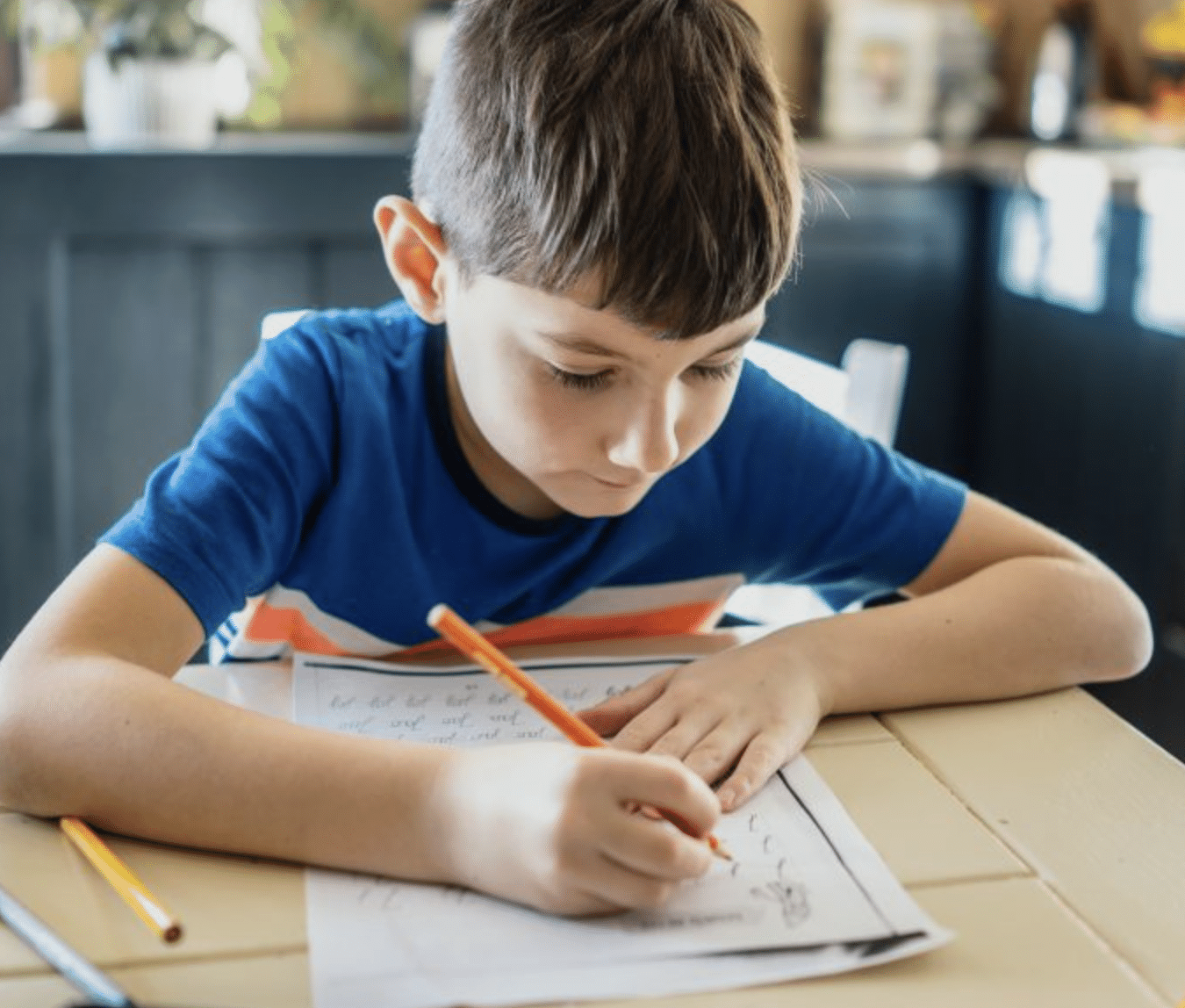
Coloring gets pulled out in classrooms all the time as a filler activity, something to hand kids during a transition or a rainy day indoor recess. But with a little bit of structure, the same crayons and pages can be doing actual academic work.
A coloring sheet tied to a lesson sticks in a kid’s memory a lot longer than a worksheet ever does, and it keeps hands busy while the concept sinks in. None of these require a big prep lift or special materials, just a page and a purpose behind it.
Here are twenty one ways teachers are turning ordinary coloring time into something that actually reinforces what’s being taught.
1. Color by Number Math Pages
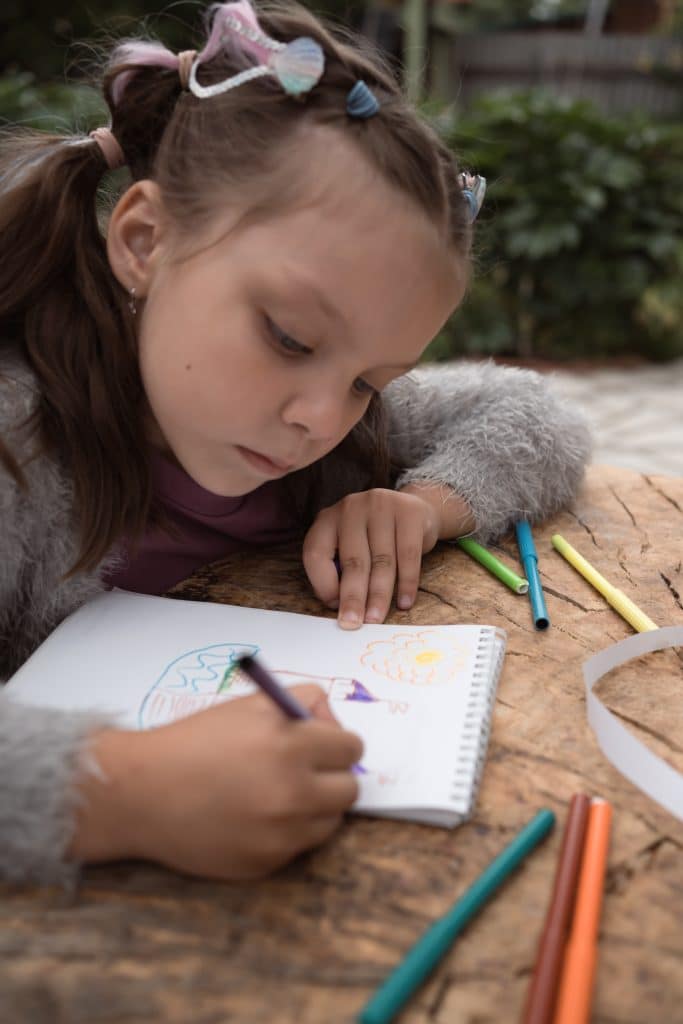
Color by number pages turn basic math facts into the reason a picture comes together at all. A kid has to solve the equation correctly before they even know which color goes where, which makes accuracy the whole point instead of an afterthought.
These work especially well for repetitive practice like addition or multiplication tables, since the picture gives an immediate visual reward for getting it right.
It’s a way to sneak in extra reps without a kid feeling like they’re doing another worksheet. The math is just the ticket to finishing the picture.
2. Alphabet Letter Coloring Pages
Pages built around a single letter, paired with a picture of something that starts with it, reinforce letter recognition without ever feeling like a drill. A kid coloring a big letter A next to an apple is absorbing the connection just by spending time with the page.
This works well as a rotating daily or weekly activity, moving through the alphabet one letter at a time. By the end of a run through all twenty six, the repetition has done real work.
It’s especially useful for early learners who aren’t ready for heavy phonics instruction yet but benefit from casual exposure.

3. Labeled Diagram Coloring (Body Parts, Plant Parts)
A diagram with labeled parts, whether it’s a plant, the human body, or an animal, asks a kid to connect a word to a physical location while they color. That connection between label and image is a stronger memory hook than reading the label alone.
Coloring each labeled section a different color also naturally organizes the information, making it easier to recall which part is which later.
More like this: 17 Coloring Page Ideas Every Elementary Teacher Should Have on Hand
These pages hold up well as a review tool right before a quiz, since the coloring process functions as a low pressure form of studying.
4. Map Coloring for Geography
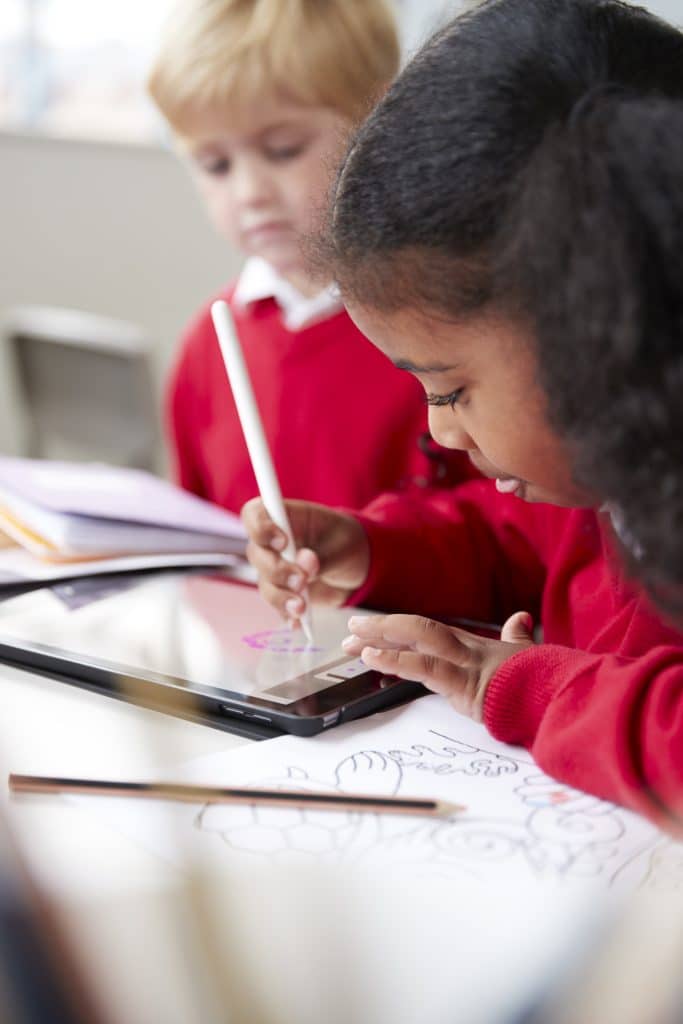
Coloring in regions, countries, or states on an outline map gets a kid spending real time looking at borders and shapes instead of just glancing at a map on a screen. That extended attention tends to build a much stronger sense of where things actually are.
Assigning a different color per region also helps a kid visually separate areas that might otherwise blur together on a plain black and white map.
This is a solid pairing for any geography unit, and it holds up just as well for younger kids learning states as it does for older kids learning countries or continents.
5. Shape Recognition Coloring Pages
Pages built around a specific shape, hidden inside a bigger picture or repeated throughout a scene, turn shape recognition into a little bit of a hunt. A kid coloring every triangle they can find blue is practicing identification while also just having fun with the page.
This works well for early math standards focused on basic shapes, and it’s an easy way to differentiate for different skill levels just by adjusting how many shapes are hidden or how complex the overall picture is.
It also holds attention longer than a plain worksheet asking a kid to circle shapes, since there’s a finished picture waiting at the end.

6. Sight Word Coloring Sheets
Pages that hide sight words inside a picture, asking a kid to find and color each instance a certain color, turn word recognition into something closer to a game. The repetition of scanning for the same word over and over builds familiarity fast.
This is a strong option for early readers who need extra reps on high frequency words without the fatigue of flashcards.
Teachers can rotate through a small stack tied to whatever sight word list is currently being taught, keeping the activity fresh from week to week.
7. Historical Figure or Event Coloring Pages
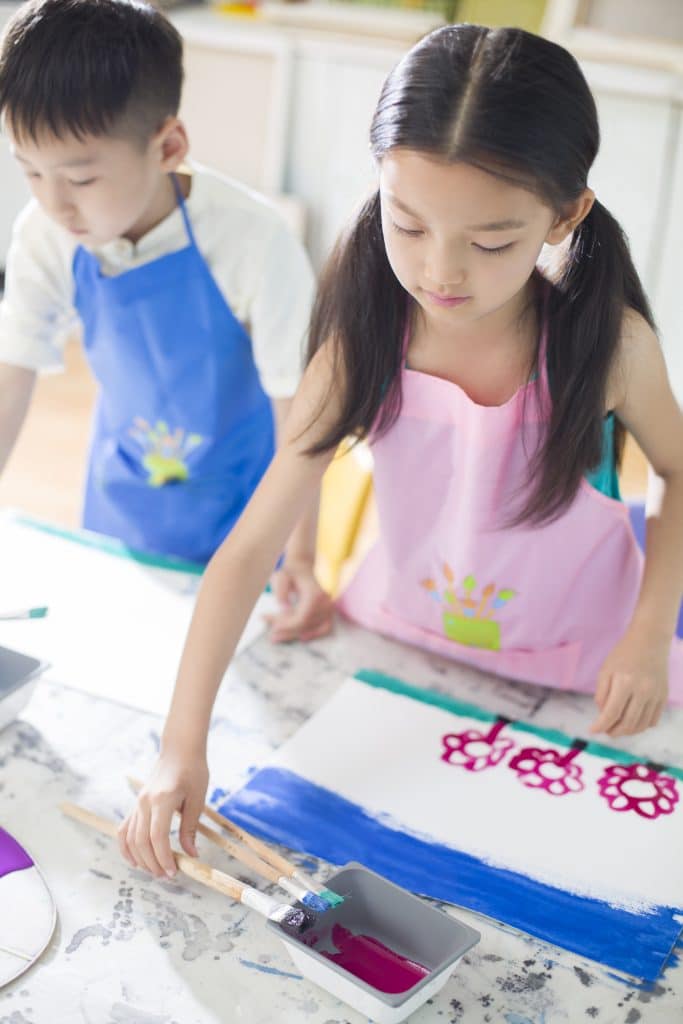
A coloring page built around a historical figure or a specific event gives a visual anchor to a name or date that might otherwise stay abstract. Kids remember faces and scenes better than they remember a paragraph of text.
Adding a short caption or fact underneath the image gives the activity a little more substance, so it’s not just decorative but tied directly to what’s being studied.
These pages work well around specific units, holidays with historical roots, or as part of a broader timeline project spread across a wall.
8. Life Cycle Coloring Pages (Butterfly, Frog, Plant)
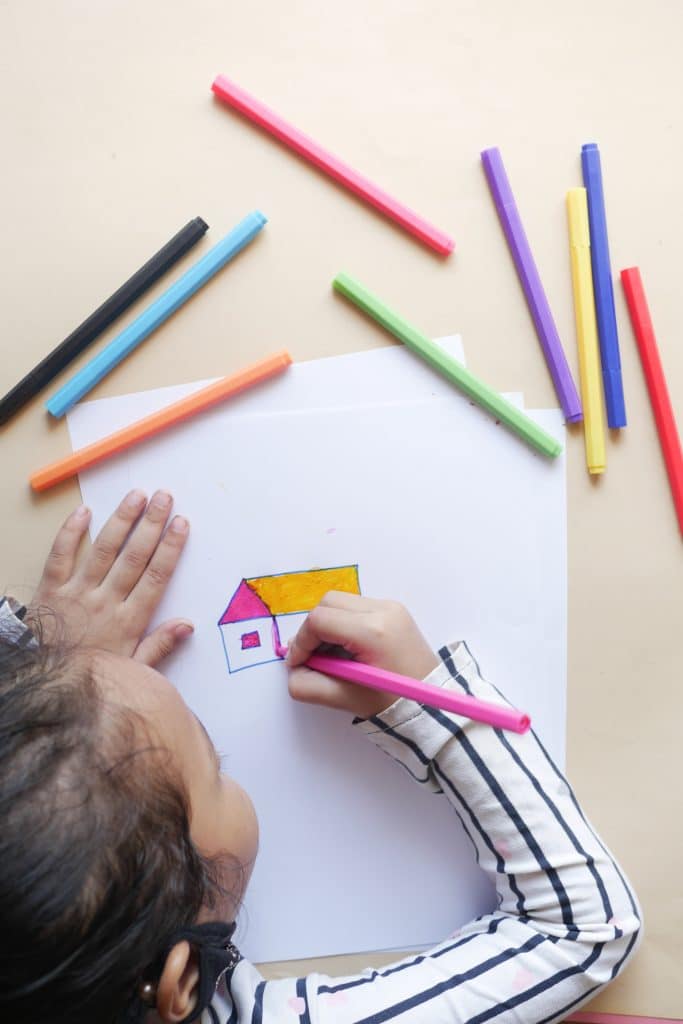
Life cycle pages, laid out in sequence, ask a kid to color through each stage in order, which reinforces the sequence itself just through the act of moving across the page. A butterfly’s four stages become a lot more memorable when a kid has spent time coloring each one individually.
"This is the trick I give every tired parent who asks me for one."
12 Genius Ways Parents Use Coloring Time Beyond Just Coloring →These pair naturally with a science unit and give something tangible to reference later, whether that’s for a quiz or just casual review.
Kids also tend to enjoy watching a subject visibly change from one panel to the next, which keeps the activity more engaging than a plain diagram would be.
9. Emotion or Feelings Coloring Pages
Pages showing different facial expressions, each labeled with the emotion it represents, give younger kids a vocabulary for feelings they might not have words for yet. Coloring a face while naming what it’s feeling reinforces the label in a low pressure way.
This kind of page shows up a lot in social emotional learning curriculums, since it opens up a natural conversation starter without putting a kid on the spot.
It also works well as a quick morning activity, giving a teacher an easy read on how a kid might be feeling that day based on which face they gravitate toward.
10. Weather and Seasons Coloring Pages
Pages tied to weather patterns or the four seasons help younger kids connect visual cues, like bare trees or falling snow, to the vocabulary word attached to them. Coloring a scene reinforces the association more than just naming the season out loud would.
These work well as a seasonal rotation, swapped out every few months to match whatever’s actually happening outside the classroom window.
They’re also an easy pairing for a simple science unit on weather, giving kids a hands on piece to go along with any discussion of temperature or seasonal change.
11. Money and Coin Value Coloring Pages
Pages that ask a kid to color coins a certain way based on their value, or color amounts that add up to a target number, sneak basic money math into what looks like a plain coloring sheet. Getting the total right becomes part of finishing the picture correctly.
This is a practical way to reinforce a skill that a lot of kids find tricky, since coin values don’t follow an obvious visual pattern the way counting by ones does.
It also gives a teacher an easy way to differentiate difficulty, just by adjusting the target totals or the mix of coins involved.
12. Fraction Coloring Pages
Pages divided into sections, asking a kid to color a specific fraction of the whole, turn an abstract math concept into something a kid can literally see. Coloring three out of eight sections makes three eighths a lot more concrete than the number alone.
These work especially well right when fractions are first introduced, since the visual component gives struggling kids something to hold onto before the numbers make full sense on their own.
✎ Printable Picks
They also make for an easy quick check of understanding, since a teacher can glance at a finished page and immediately see whether the fraction was colored correctly.
13. Vocabulary Word Illustration Pages
Pages where a kid colors a picture representing a specific vocabulary word reinforce meaning through visual association instead of memorization alone. A kid who colors a picture of something “enormous” is building a stronger connection to the word than one who just copies a definition.
This works well across subjects, not just language arts, since new vocabulary shows up constantly in science and social studies too.
It also gives a teacher an easy way to spot a misunderstanding early, since a picture that doesn’t match the word usually means the definition didn’t fully land yet.
14. Number Tracing and Coloring Combo Pages
Pages that combine number tracing with a coloring element give early learners two skills at once, numeral formation and a reward for finishing correctly. The coloring portion at the end keeps a young kid motivated through the more tedious tracing part.
This combo format works particularly well for kids who find plain tracing worksheets boring, since there’s a visual payoff waiting once the numbers are done.
It’s a simple way to stretch out practice time on a skill that usually needs a lot of repetition before it sticks.
15. Story Sequencing Coloring Pages
Pages broken into panels, asking a kid to color scenes in the correct story order, reinforce sequencing skills that show up constantly in early reading comprehension. Coloring each panel gives a kid extra time sitting with the story’s structure instead of just reading through it once.
This works well right after reading a story aloud as a class, giving kids a hands on way to process what just happened.
It also doubles as an easy assessment, since a teacher can quickly check whether the panels were colored, and understood, in the right order.
16. Habitat and Animal Classification Pages
Pages asking a kid to color animals based on their habitat, sorting them by color into forest, ocean, or desert groups, turn a classification lesson into something visual and hands on. Getting the sorting right becomes part of finishing the page correctly.
This is a solid pairing for an early science unit on animals and their environments, giving a concrete visual to reference alongside any classroom discussion.
It also works well as a group activity, with kids comparing finished pages afterward to talk through why certain animals landed where they did.
17. Rhyming Word Coloring Pages
Pages that hide pairs of rhyming words inside a bigger picture, asking a kid to color matching pairs the same color, turn phonics practice into a bit of a matching game. Spotting the rhyme becomes the whole point of finishing the page.
Keep Them Busy · Parent Hack
This works especially well for early readers still building phonemic awareness, since the visual matching gives an extra layer of reinforcement beyond just hearing the rhyme out loud.
It’s also an easy independent activity, since a kid can usually self check the matches once the page is done just by looking at what colors ended up together.
18. Community Helper Coloring Pages
Pages featuring different community helpers, firefighters, doctors, mail carriers, paired with a short description of what each one does, build early social studies vocabulary in a low key way. Coloring the uniform or tools tied to each job reinforces the role a little further.
These are a common pairing for an early social studies unit, and they give a nice jumping off point for classroom discussion about different jobs kids might already recognize from their own lives.
They also work well as a simple “who helps us” bulletin board project once a full set is finished.
19. Times Table Coloring Grids
Grids where a kid colors squares based on multiplication answers, often revealing a hidden picture once the correct squares are filled in, turn times table practice into a small reveal. Getting the math wrong usually means the picture doesn’t come out right, which gives kids a built in way to catch their own mistakes.
These hold attention a lot longer than a plain times table worksheet, since there’s genuine curiosity about what the finished picture will look like.
They work well as a repeatable weekly activity, rotating through different multiplication tables as the class progresses.