15 Ways Coloring Activities Secretly Build Fine Motor Skills
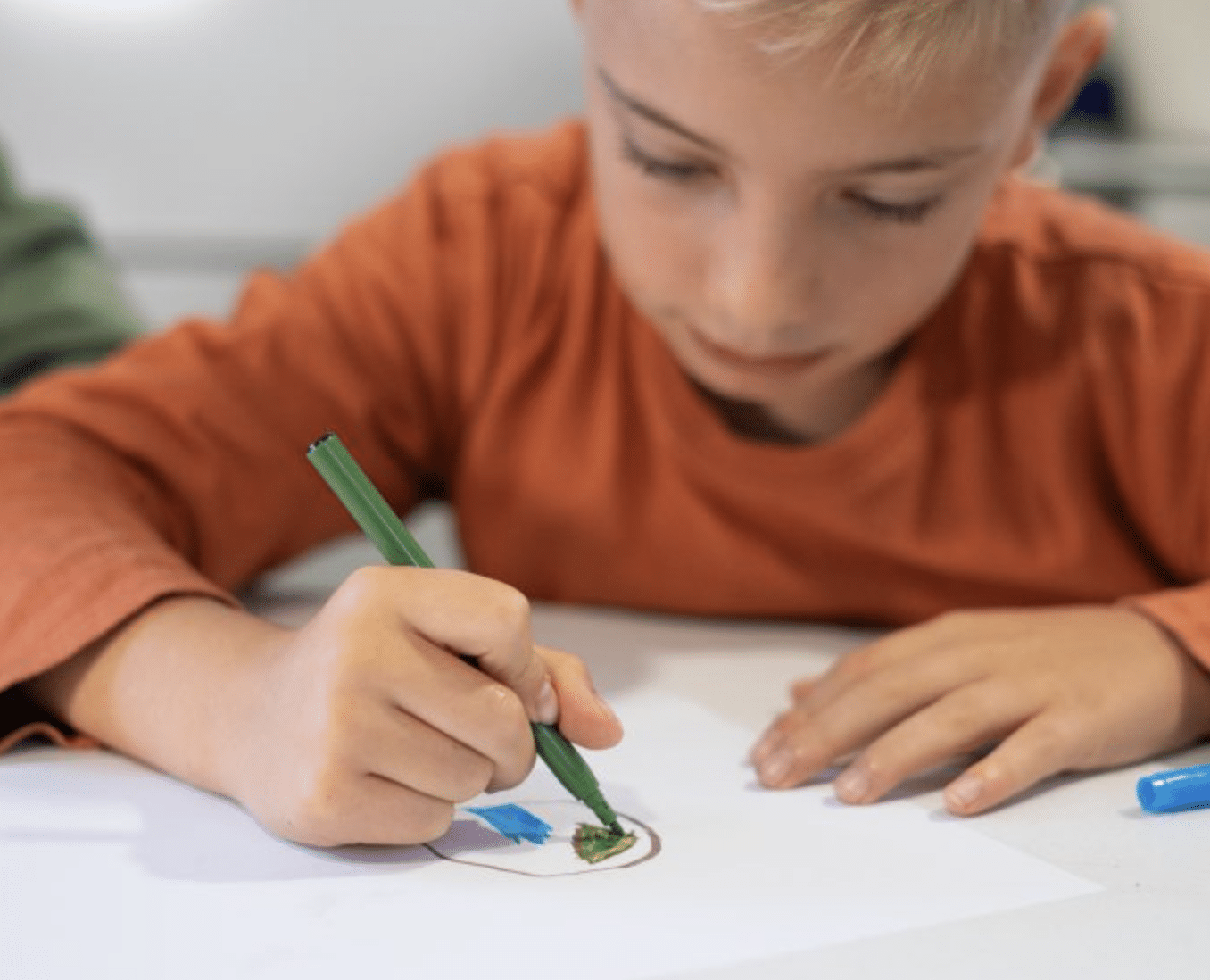
Fine motor skills don’t get built through worksheets and drills, at least not for most little kids. They get built through hours of small, repetitive hand movements disguised as something fun, and coloring is about as sneaky and effective as it gets.
A kid isn’t thinking about grip strength or wrist control while they’re filling in a dinosaur, they’re just trying to keep the green inside the lines. Here are fifteen ways that simple crayon time is quietly doing a lot more developmental work than it gets credit for.
1. The Pincer Grip Gets Practice Without Anyone Noticing
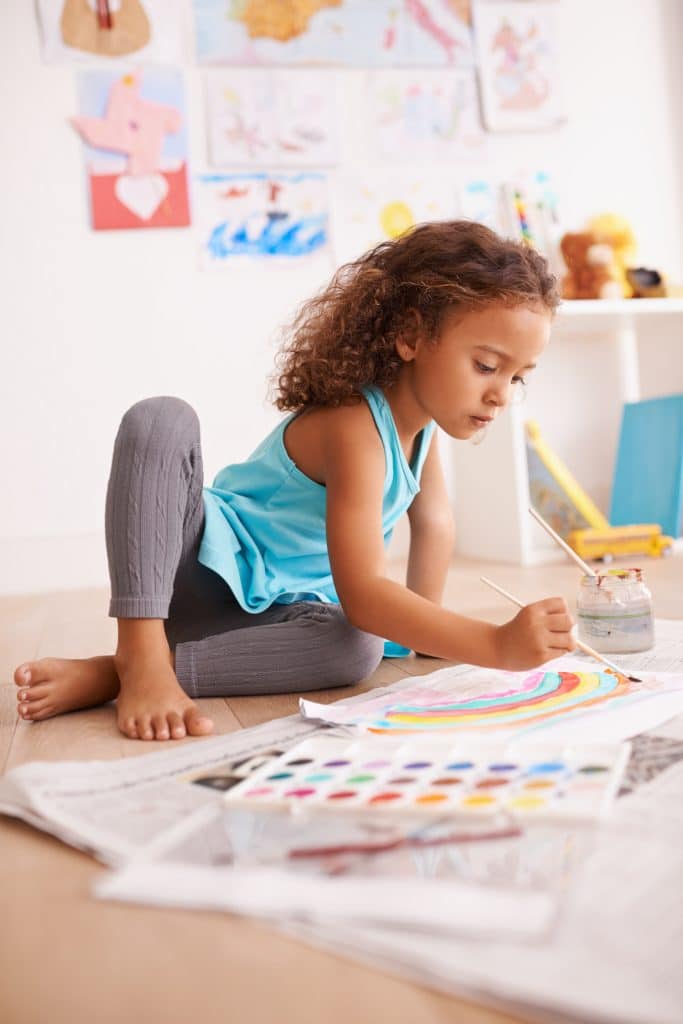
Holding a crayon properly requires the same pincer grip kids will later use for pencils, zippers, and buttons. Every time they pick one up, that grip gets a little rep in.
Nobody has to explain what a pincer grip even is. The kid just wants to color the sky, and their fingers do the learning in the background while their brain is somewhere else entirely, focused on the picture and not the mechanics behind it.
2. Wrist Control Improves With Every Stroke
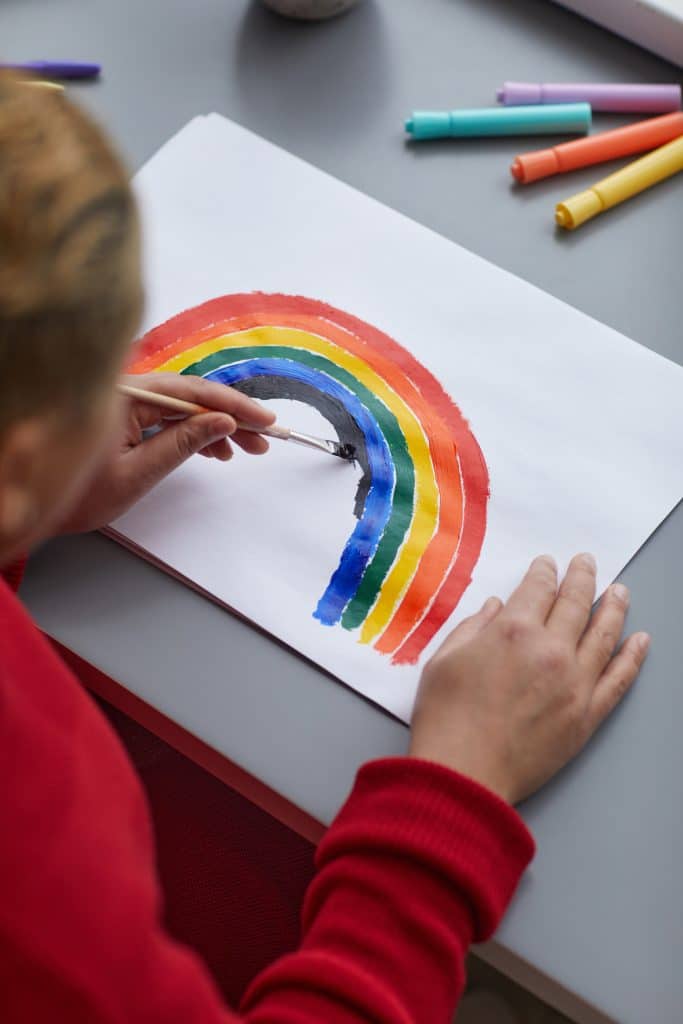
Coloring inside a shape means constantly adjusting the wrist, angling it to follow a curve, straightening it out for a long edge. That’s real wrist control being trained, over and over, one page at a time.
This kind of small-scale wrist movement is different from the big arm swings kids use for other activities. It’s slower, more deliberate, and it’s exactly the kind of control that later shows up in handwriting, cutting with scissors, and other tasks nobody enjoys teaching directly.
More like this: 15 Coloring-Based Activities That Help Kids Learn Letters and Numbers
3. Staying Inside the Lines Builds Hand-Eye Coordination
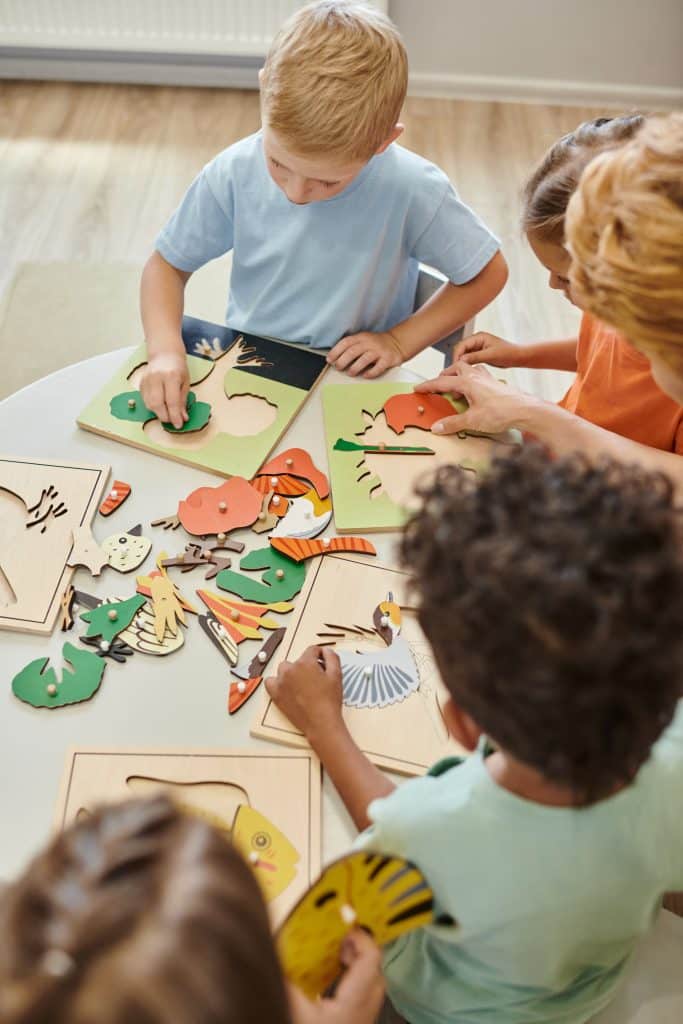
Watching a crayon tip and adjusting direction in real time is a hand-eye coordination exercise, even if it doesn’t look like one. The eyes track the line, the hand has to keep up, and that connection strengthens with repetition.
Pages with simpler, bolder outlines are a good starting point for younger kids still building this skill, since smaller, fussier detail can be genuinely frustrating before that coordination is solid. The skill grows with the page, not against it.
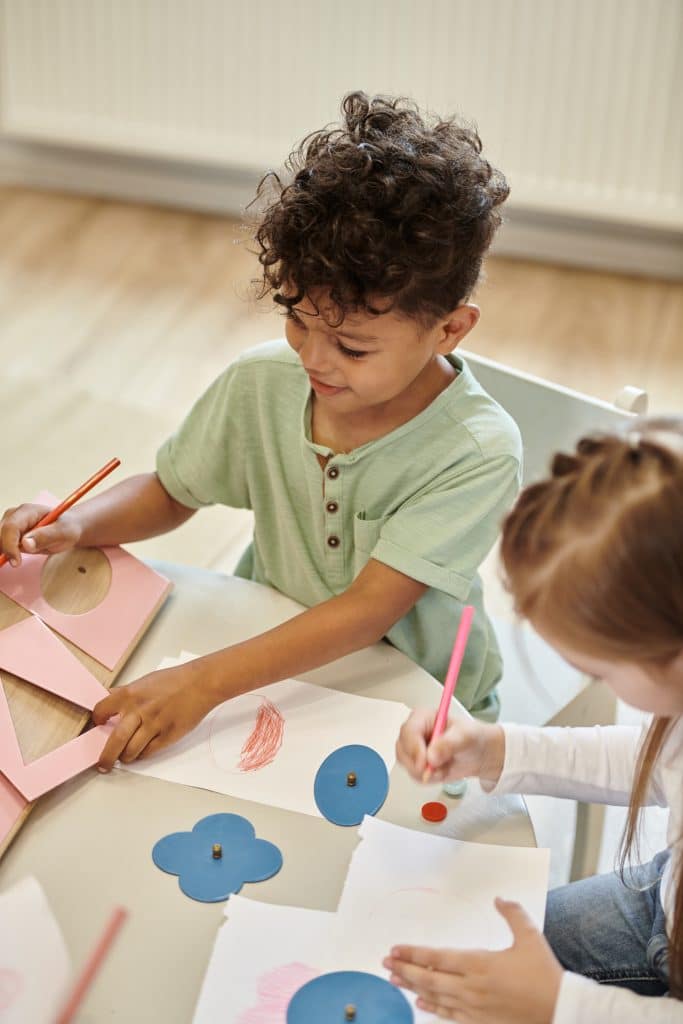
4. Pressure Control Gets Tested With Every Color Choice
Pressing hard enough to leave color but not so hard the crayon snaps is its own little skill, and kids figure it out through trial and error, usually a few broken crayons at a time. That’s pressure control being built in real time.
Learning how much force is enough, without anyone explaining the physics of it, ends up mattering later for things like writing legibly or using scissors without tearing paper into confetti by accident.
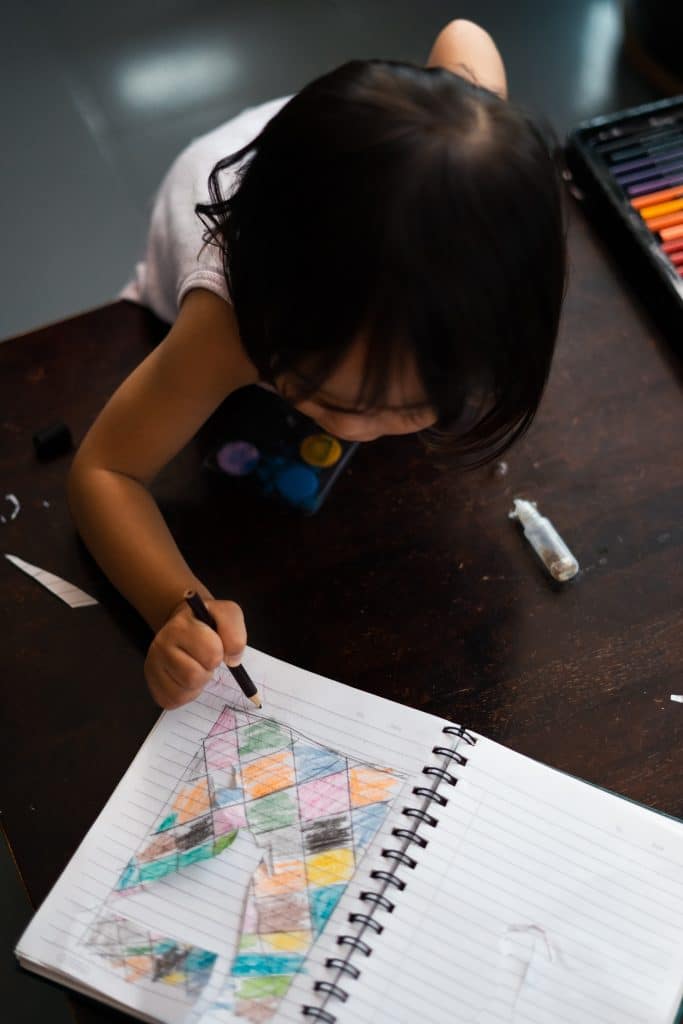
5. Switching Colors Works the Fingers in New Ways
Every time a kid puts one crayon down and picks another up, their fingers are doing a small release-and-grasp movement. Do that dozens of times in one coloring session and it adds up to real repetition.
It’s a tiny motion, easy to overlook, but it’s also exactly the kind of small hand exercise that occupational therapists build into fine motor plans on purpose. Coloring just makes it happen automatically as part of the fun.
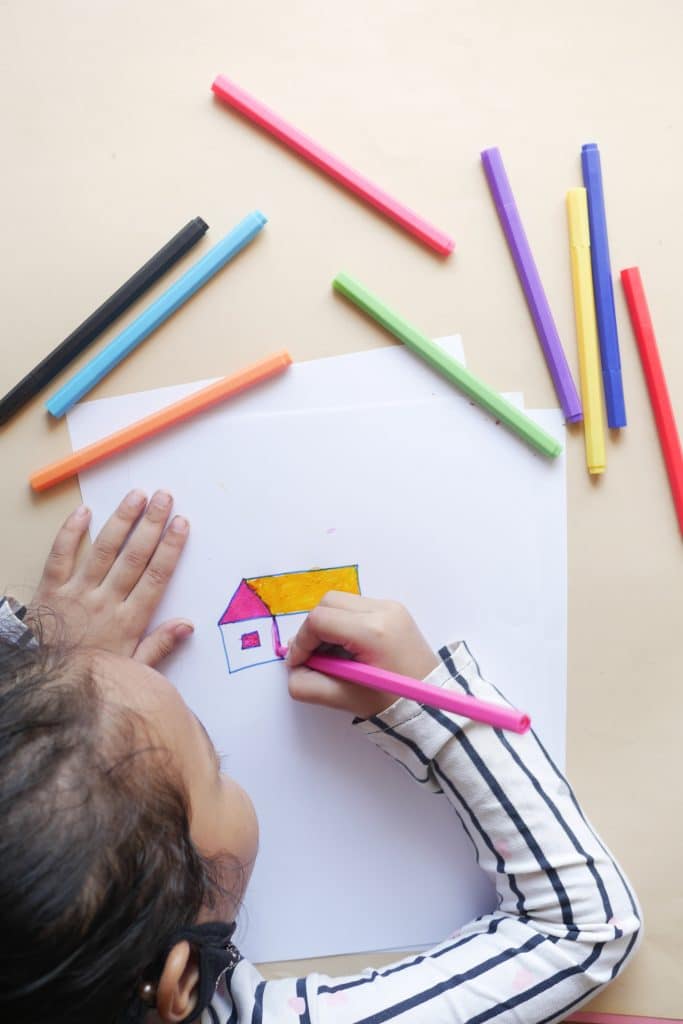
6. Coloring Small Spaces Builds Precision
A page with tighter, smaller sections (patterns, mandalas, detailed characters) forces more careful, controlled movements than a big open background does. That precision work is harder, but it’s also where a lot of the real skill-building happens.
"This is my go-to when the day feels too long and everyone's stuck inside."
11 Boredom-Buster Coloring Ideas for a Rainy Afternoon →Kids don’t need to start there. Working up to smaller spaces as their control improves is a natural progression, and it means the activity keeps challenging them instead of staying too easy once the basics are down.
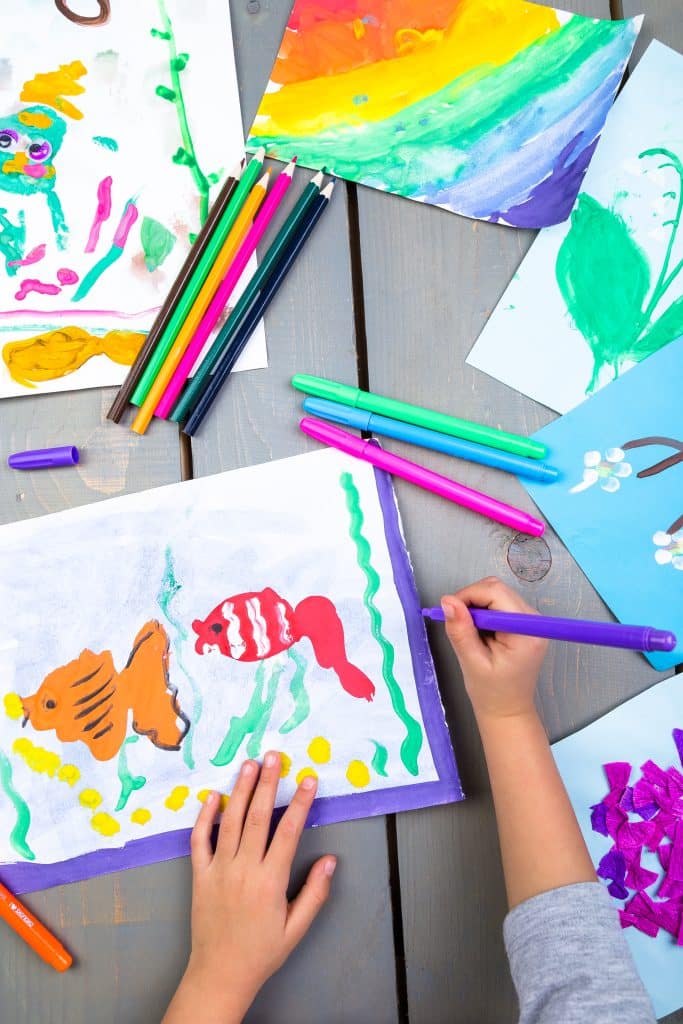
7. Bilateral Coordination Gets Quiet Practice Too
Coloring usually involves one hand doing the work and the other hand holding the paper steady. That’s bilateral coordination, both sides of the body working together toward one task, and it’s a skill that shows up again later in things like tying shoes or opening jars.
It’s easy to miss because the steadying hand isn’t doing anything flashy. But that quiet stabilizing work is just as much a part of the skill-building as the hand actually holding the crayon.
8. Longer Sessions Build Hand Endurance
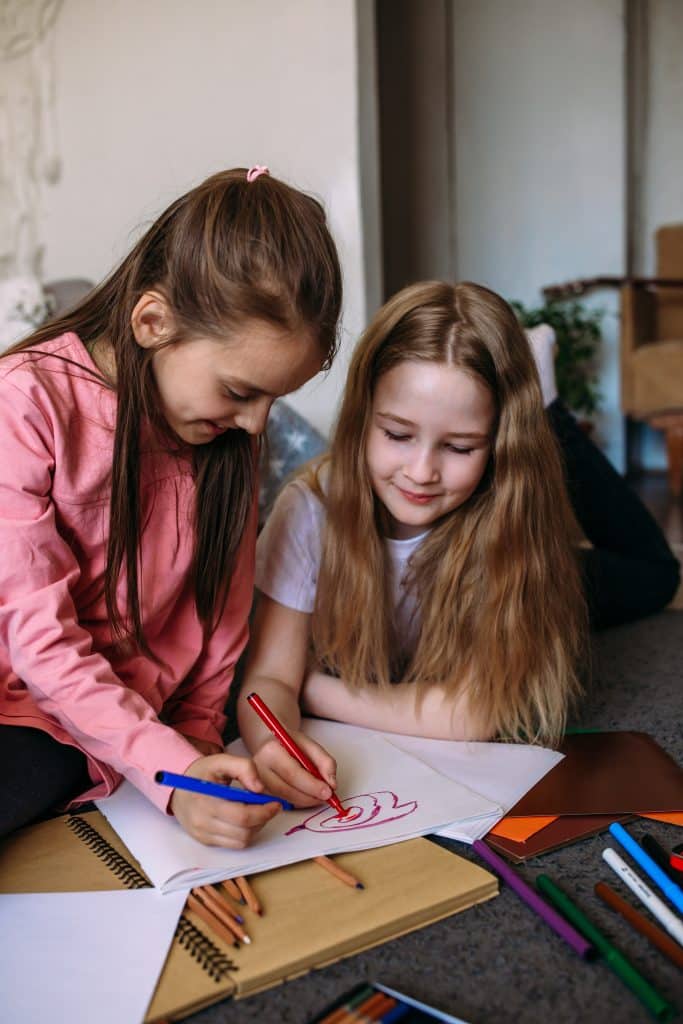
Fine motor endurance, the ability to keep using small hand muscles without them getting tired or shaky, only builds with time spent actually using them. A kid who colors for twenty minutes is putting in real endurance work, even if it just looks like they’re having fun.
That stamina matters later for things like sustained handwriting, which asks a lot more of small hand muscles than most people realize until a kid is struggling with it.
9. Tracing Edges Sharpens Fine Line Control
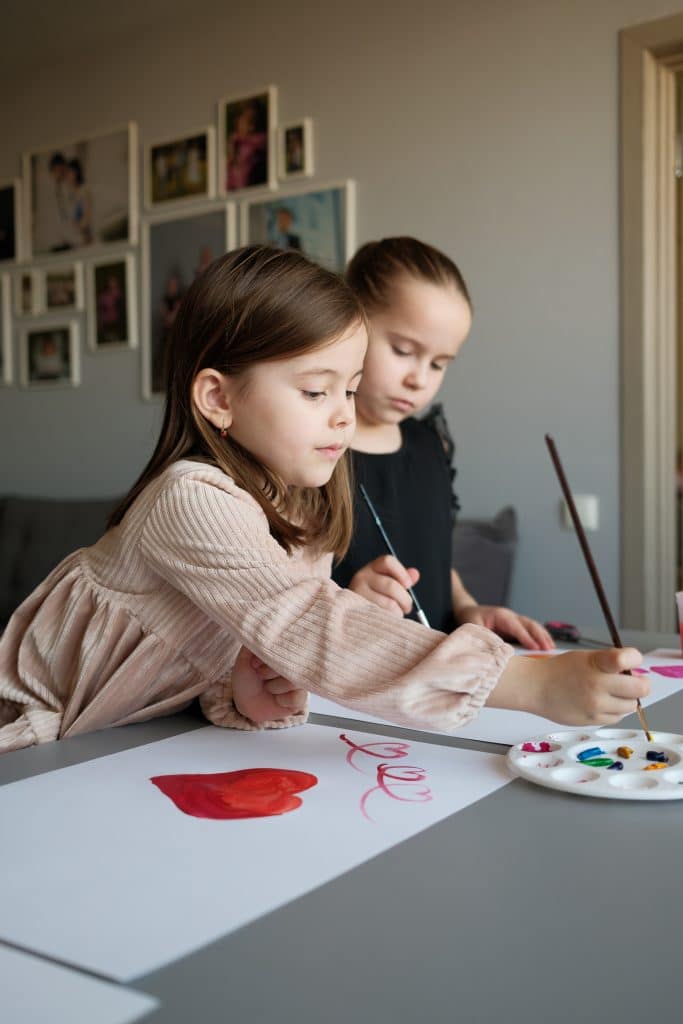
Following the outline of a shape with a crayon, staying right along that edge, is a more precise motion than filling in open space. It asks for tighter control over exactly where the tip lands.
This kind of edge-tracing is close to the same skill used later for writing letters along a line. The connection isn’t obvious to a kid coloring a rainbow, but the muscle memory being built is doing double duty.
✎ Printable Picks
10. Erasing and Correcting Builds Problem-Solving With the Hands
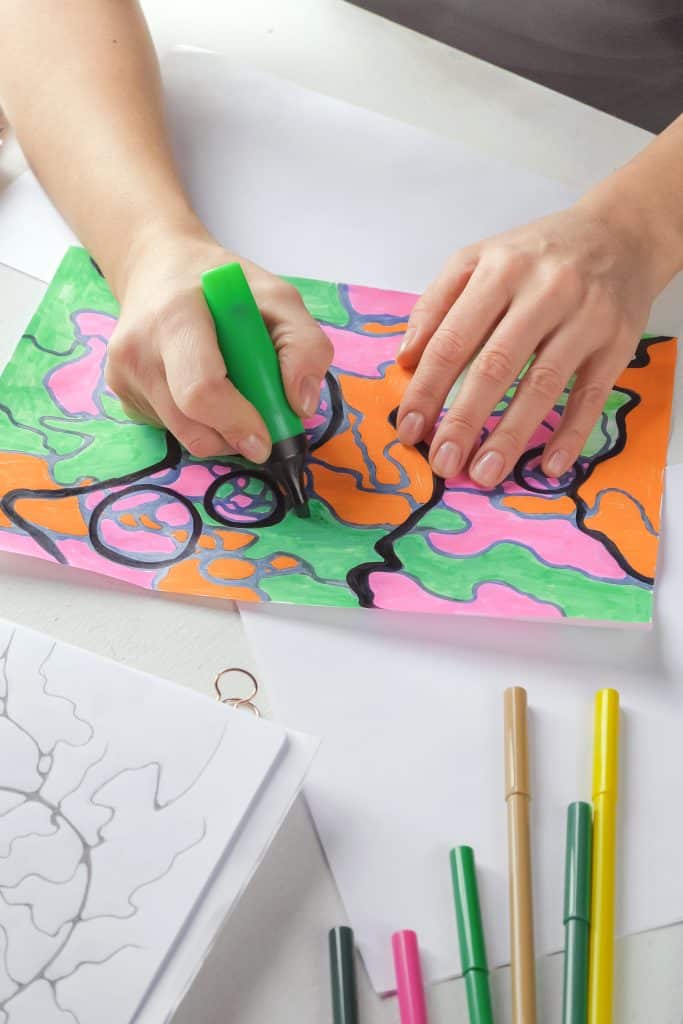
When a kid colors outside a line and tries to work around it, blend it in, or cover it with another color, that’s a small physical problem-solving moment. Their hand has to adapt in real time to fix something that didn’t go as planned.
That adaptability matters. Fine motor skill isn’t just about doing the movement right the first time, it’s also about adjusting when it doesn’t go right, and coloring hands kids plenty of low-stakes chances to practice exactly that.
11. Different Tools Challenge the Hand in Different Ways
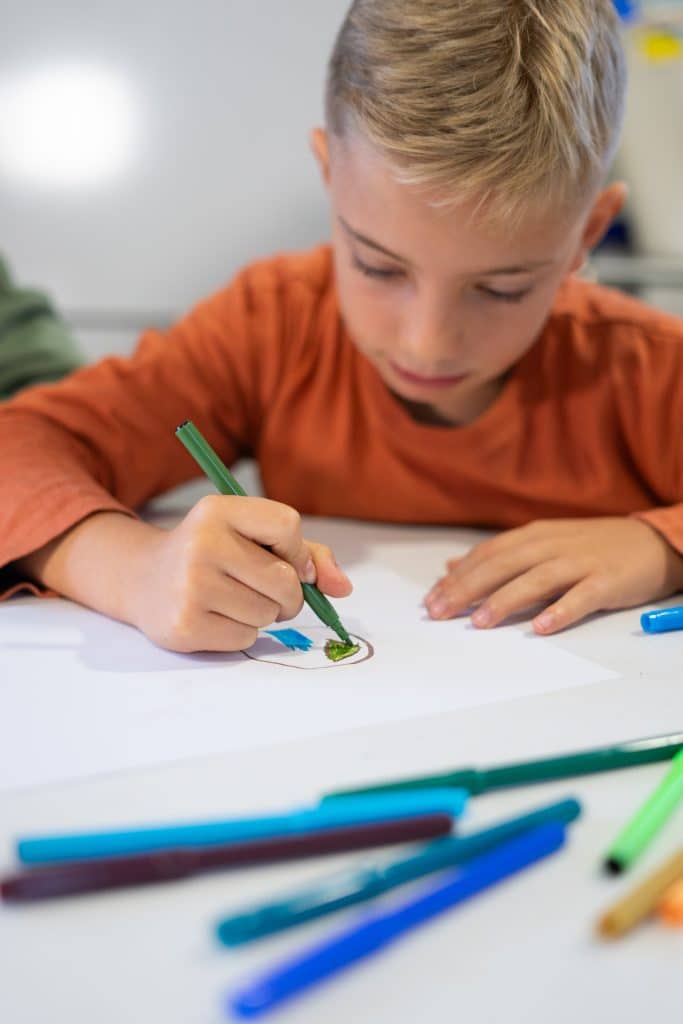
Crayons, markers, and colored pencils all require slightly different grip and pressure, and switching between them keeps challenging the hand instead of letting it settle into one comfortable pattern. Markers glide, colored pencils need more pressure, crayons sit somewhere in between.
Rotating tools every so often is a simple way to keep building a wider range of fine motor skill, rather than just getting really good at the one motion a kid defaults to.
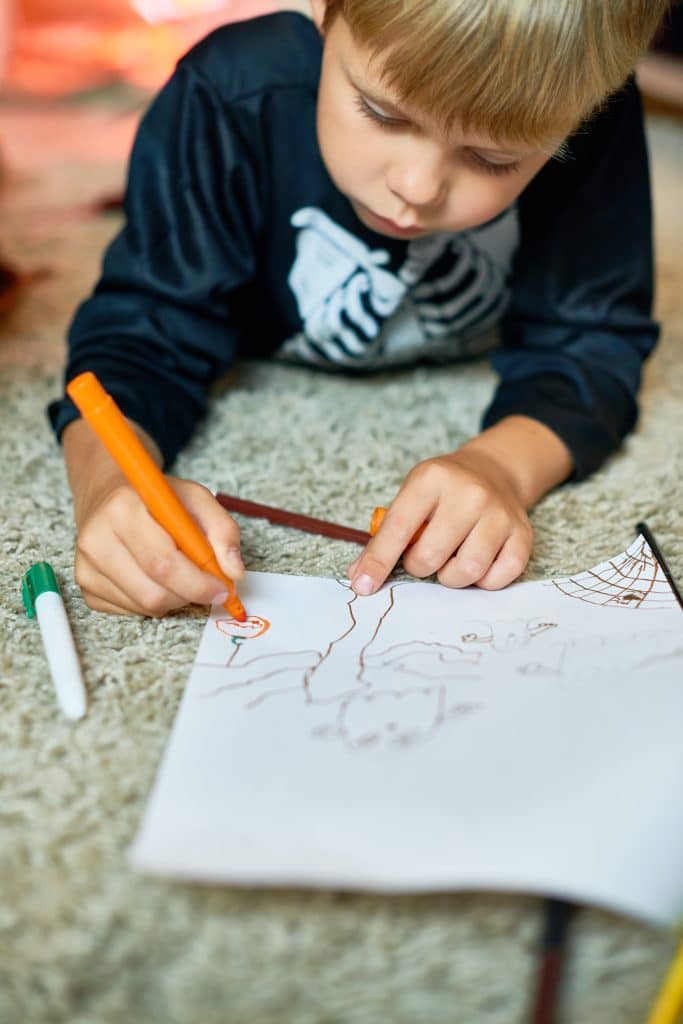
12. Coloring Builds the Groundwork for Cutting With Scissors
The same hand control that keeps a crayon inside a line is closely related to the control needed to cut along a line with scissors later. Both ask the hand to track a path carefully and adjust as it goes.
Kids who’ve spent real time coloring often pick up scissor skills a little easier, simply because the underlying hand control isn’t brand new to them. The coloring did some of the prep work already.
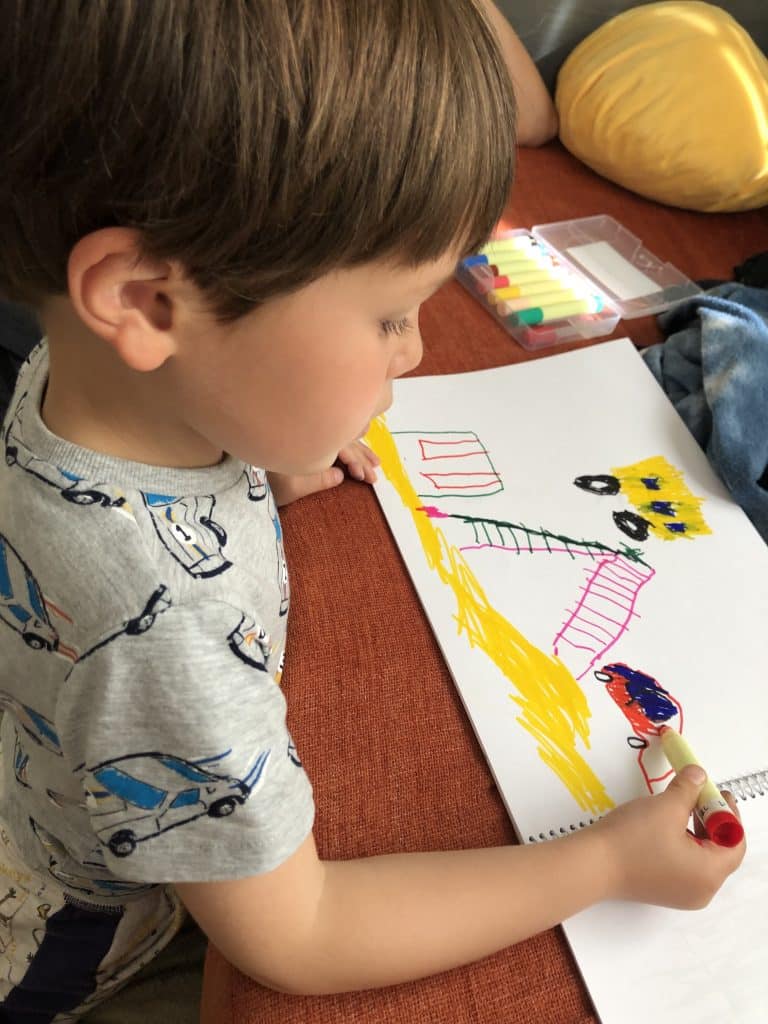
13. Repetition Over Time Builds Real Muscle Memory
No single coloring session is going to transform a kid’s fine motor skills. It’s the repetition over weeks and months that actually does the work, the same small movements practiced again and again until they get easier and more automatic.
Keep Them Busy · Rainy-Day Fix
That’s part of why regular coloring time matters more than occasional marathon sessions. Consistency lets the muscle memory actually build instead of resetting every time.
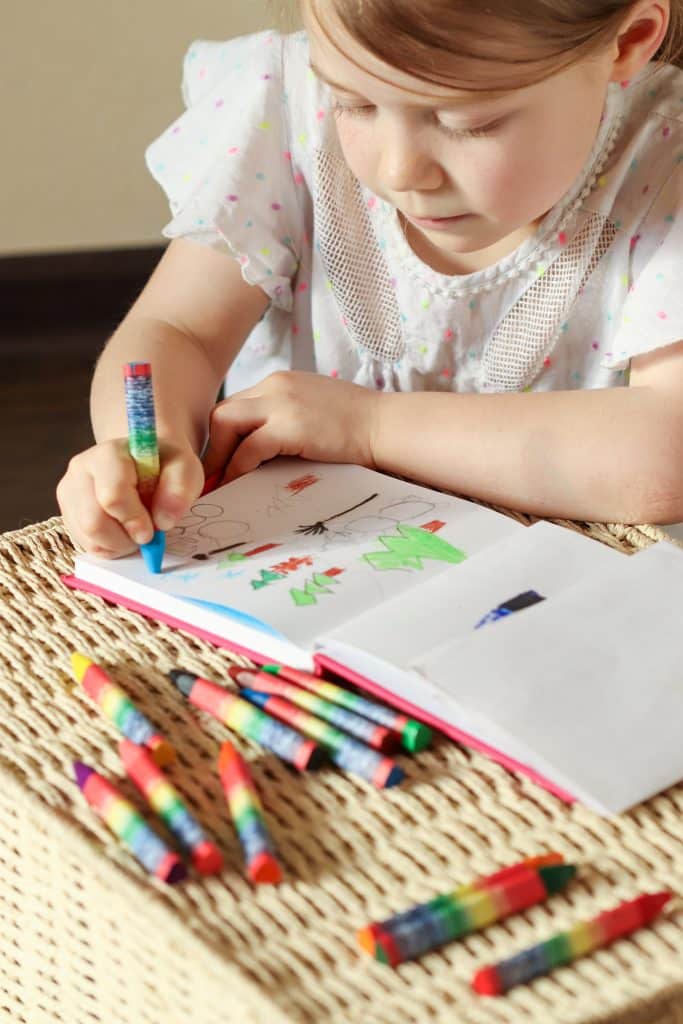
14. It Builds Confidence in Using Their Hands
Fine motor skill isn’t just physical, there’s a confidence piece too. A kid who’s used to controlling a crayon feels more capable picking up new hand-based tasks, from zippers to shoelaces to eventually a pencil for writing.
That confidence carries over in ways that aren’t always obvious. A kid who believes their hands can do the job tends to try harder and give up less, which matters just as much as the raw motor skill underneath it.
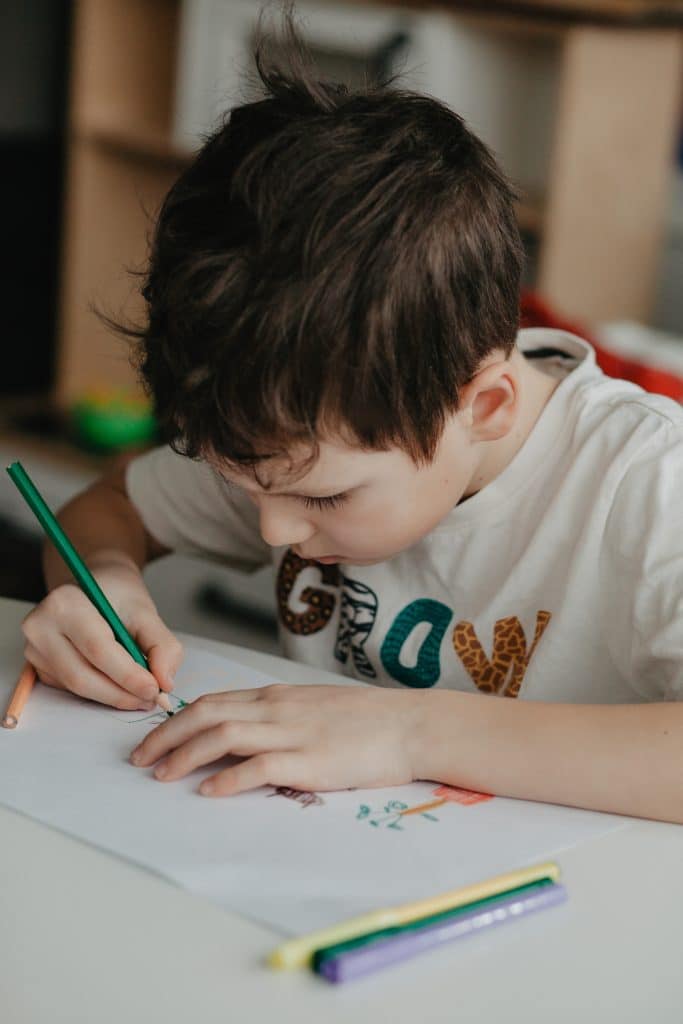
15. It Makes Skill-Building Feel Like Play, Not Practice
Maybe the biggest advantage coloring has over more formal fine motor exercises is that it never feels like practice. Kids do it because it’s fun, not because someone told them it’s good for their hands.
Before you go — a few more to color your afternoon:
That’s exactly why it works as well as it does. Skills built through repeated, low-pressure, enjoyable activity tend to stick better than skills drilled through effort a kid resents, and coloring quietly delivers that without ever needing to be sold as anything more than fun.
None of this needs a kid to know what’s happening under the hood. They just want to finish the page, and their hands end up better for it either way.
What’s the coloring habit that’s stuck around longest in your house?