19 Quiet-Time Coloring Ideas Every Busy Parent Needs on Hand
Every parent knows the specific kind of quiet that’s actually valuable, the kind where a kid is occupied, calm, and not currently asking for anything. Coloring is one of the most reliable ways to buy that stretch of time, but not every coloring idea holds up the same way. Some fizzle out in five minutes. Others quietly stretch a kid’s attention for half an hour without anyone having to hover over them.
Here are 19 quiet-time coloring ideas worth keeping in the back pocket for whenever that kind of quiet is needed most.
1. A Rotating “Surprise Page” Folder
Keeping a folder of coloring pages a kid hasn’t seen yet, and only pulling one out occasionally, makes each page feel a little more special than grabbing from an open stack they’ve already picked through a dozen times. The novelty alone buys extra focus.
Parents who rotate this folder every week or two say it works better than a big open bin of pages, since the element of not knowing what’s coming next keeps a kid curious instead of picking the same favorite every time.
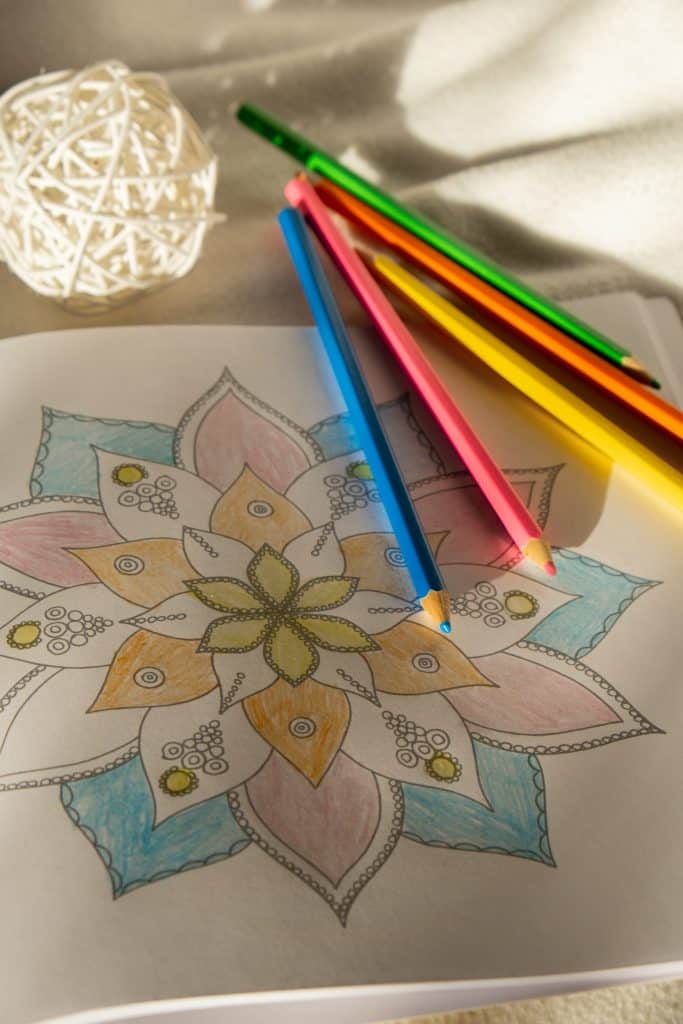
2. Mandala or Pattern-Based Pages for Older Kids
Repetitive geometric patterns give older kids something meditative to work through without feeling babyish. The lack of a clear “finish line” in a lot of mandala pages actually helps, since there’s no rush to be done, just steady, quiet progress.
These tend to work especially well right before bed or during a genuinely calm stretch of the day, since the repetitive nature naturally slows a kid down instead of winding them up.
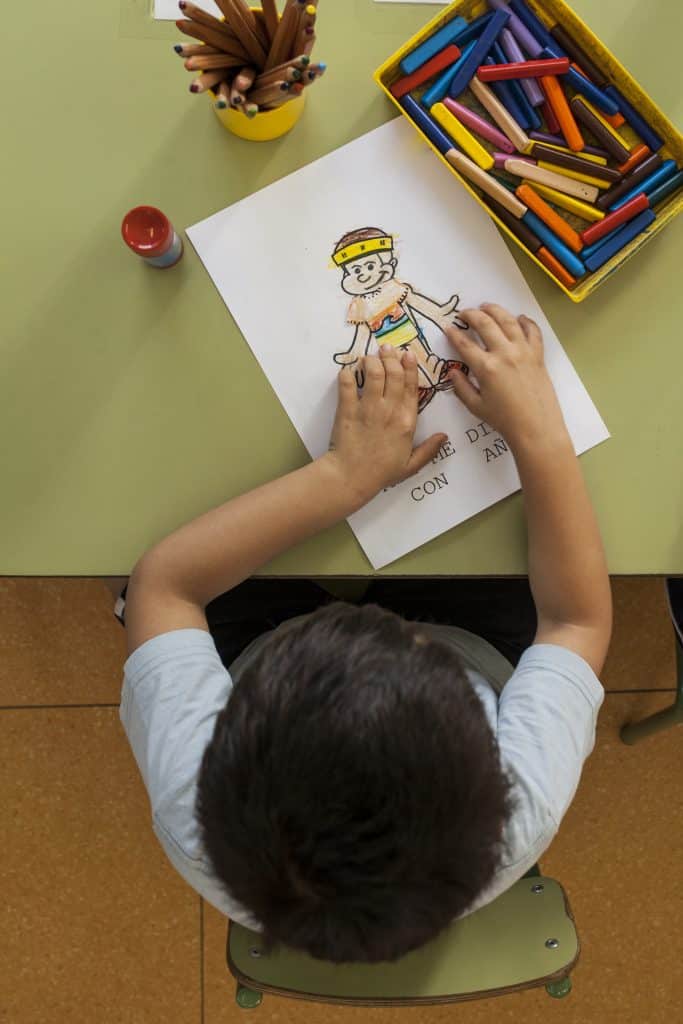
3. A “Silent Coloring Club” With Simple Rules
Framing quiet coloring time as a “club” with one simple rule, no talking until the timer goes off, turns an ordinary request for quiet into something that feels a little more like a game. Kids tend to respect a rule with a name attached to it more than a plain request to be quiet.
More like this: 12 Genius Ways Parents Use Coloring Time Beyond Just Coloring
It also gives a parent an easy way to extend the quiet without repeating themselves. The rule is already set, nobody has to enforce it minute by minute.
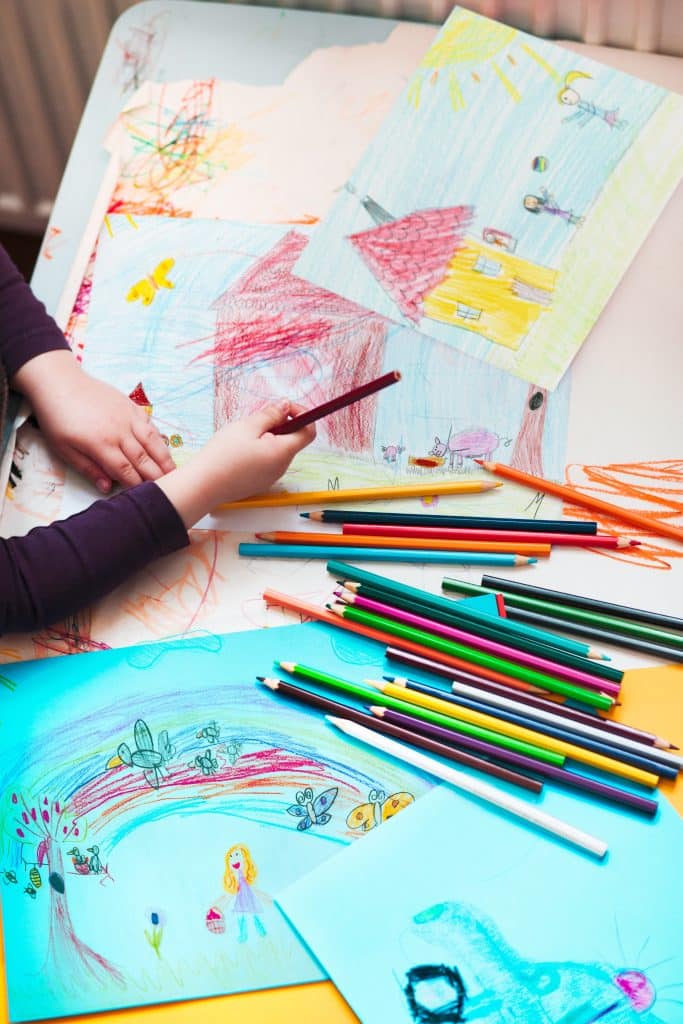
4. Pages Tied to a Kid’s Current Obsession
Whatever a kid is currently into, dinosaurs, space, a particular animal, tends to hold their attention longer than a generic page ever will. The built in interest does a lot of the work that would otherwise require constant encouragement.
Parents who keep a small stash of pages matched to whatever phase their kid is currently in say it’s the single most reliable trick for stretching quiet time longer than expected.
5. A Coloring Page With a Hidden Picture to Find
Pages where color-by-number or shading reveals a hidden image keep a kid working toward something instead of coloring with no particular goal. The anticipation of seeing what’s hidden underneath tends to hold focus longer than a page where the whole picture is already obvious from the start.
It works especially well for kids who tend to lose interest halfway through a normal page, since the “reveal” gives them a reason to actually finish.
6. Nature Scene Pages for After Outdoor Time
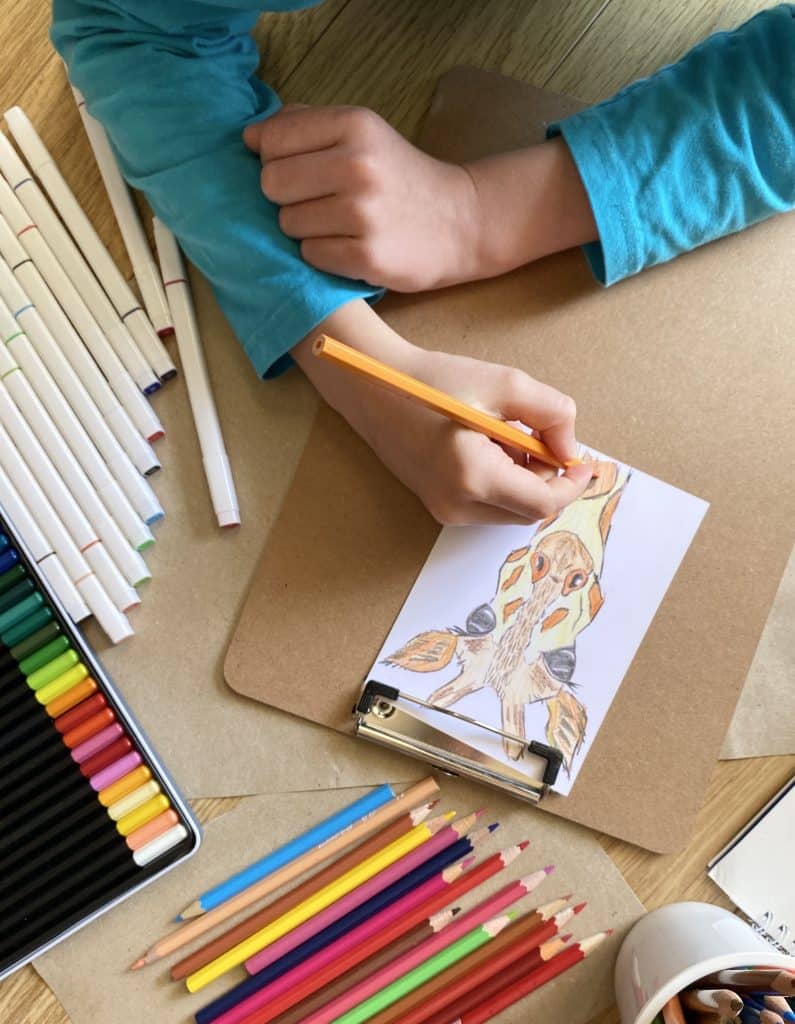
Handing over a page with trees, animals, or a park scene right after actual outdoor time gives a kid something to reflect on quietly instead of needing new stimulation right away. It’s a natural way to wind down high energy into something calmer.
Some parents pair this with a quick conversation about what they just saw outside, which keeps the transition feeling connected instead of like an abrupt switch from active to still.
7. A Page Paired With Soft Background Music
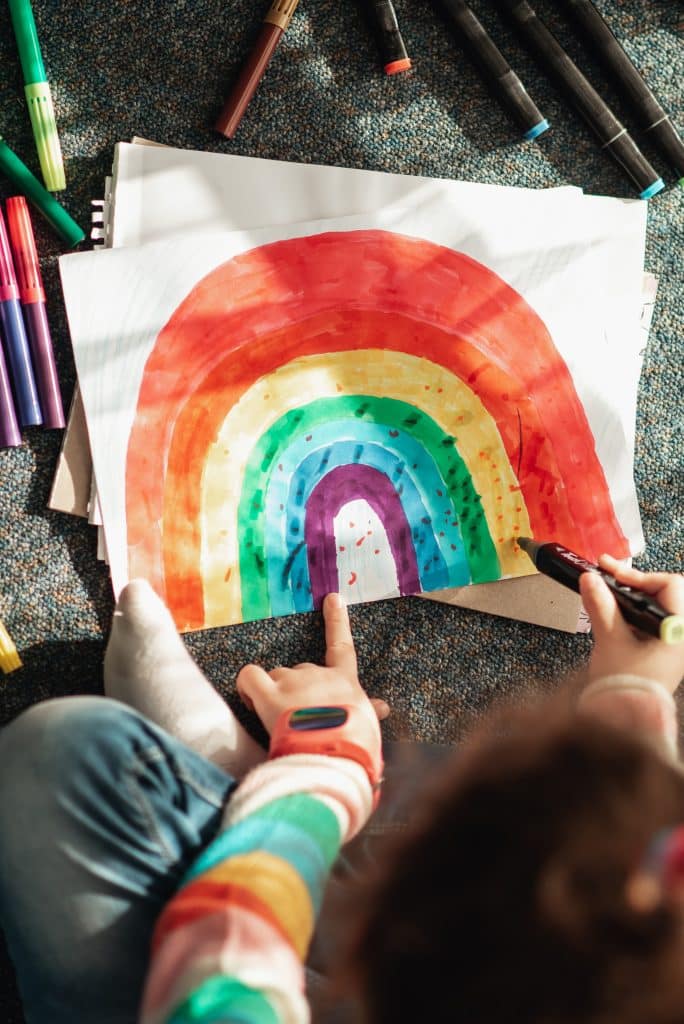
Quiet instrumental music playing in the background while a kid colors can extend focus longer than silence alone, especially for kids who find total quiet a little uncomfortable. The music gives the room some texture without adding distraction.
Parents who use this trick often keep the same playlist every time, which ends up training a kid to associate that music with settling down, even outside of coloring time specifically.
"This is the one I wish someone had told me my first year teaching."
15 Coloring-Based Activities That Help Kids Learn Letters and Numbers →
8. A “Color While You Listen” Audiobook Pairing
Putting on a short audiobook or story podcast while a kid colors gives their hands something to do while their ears are occupied with something else entirely. It stretches quiet time significantly longer than coloring alone usually manages.
This one works especially well for kids who find sitting still hard without some kind of second input running at the same time. The coloring becomes almost incidental to the listening.
9. Blank Templates for Kids Who Like to Invent Their Own
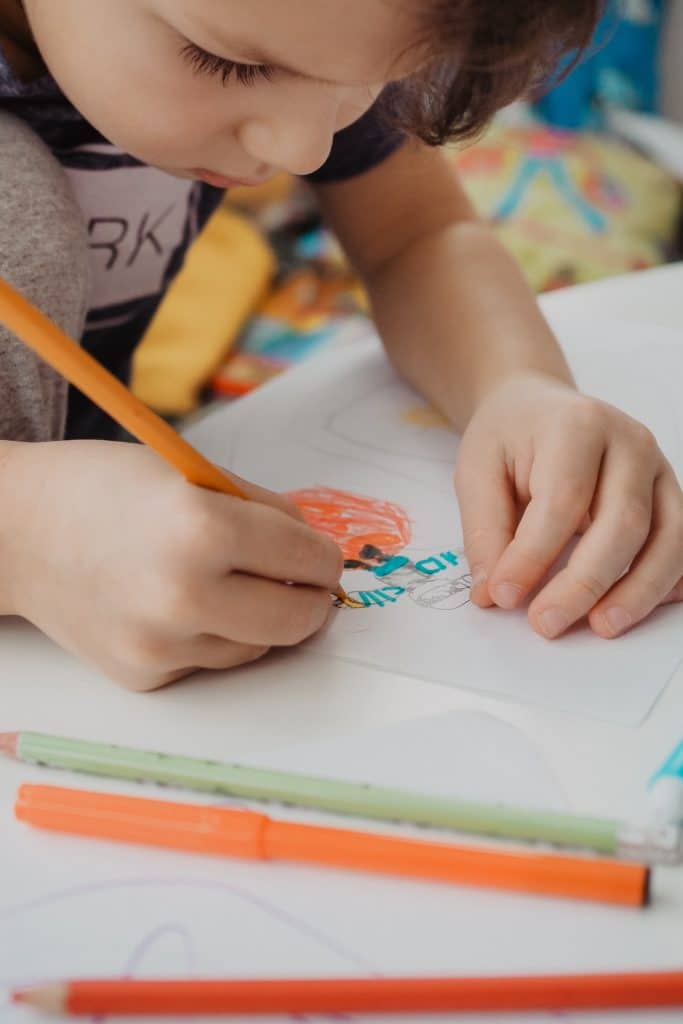
Some kids get more out of a lightly outlined blank template, an empty picture frame, an empty fish tank, than a fully detailed scene. Filling in their own ideas from scratch holds their attention longer than following someone else’s already finished drawing.
Parents of more independent minded kids tend to reach for these first, since a fully pre-drawn scene sometimes gets finished too fast to be useful as actual quiet time.
10. A Coloring Page Tied to an Upcoming Event
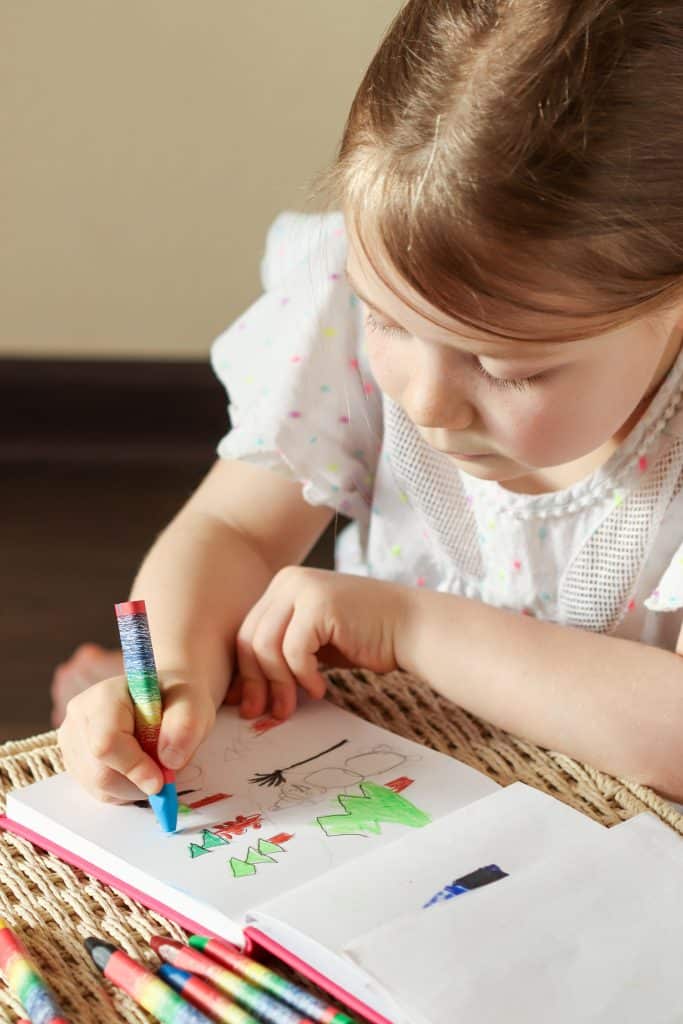
A page themed around a birthday, a holiday, or a trip that’s coming up gives a kid something to think through quietly while they work. The anticipation of the actual event keeps them engaged with the page a lot longer than a random unrelated picture would.
It also opens up some quiet conversation along the way, since kids often narrate their excitement out loud while their hands stay busy with the crayon.
11. Doodle Pages With Just a Border
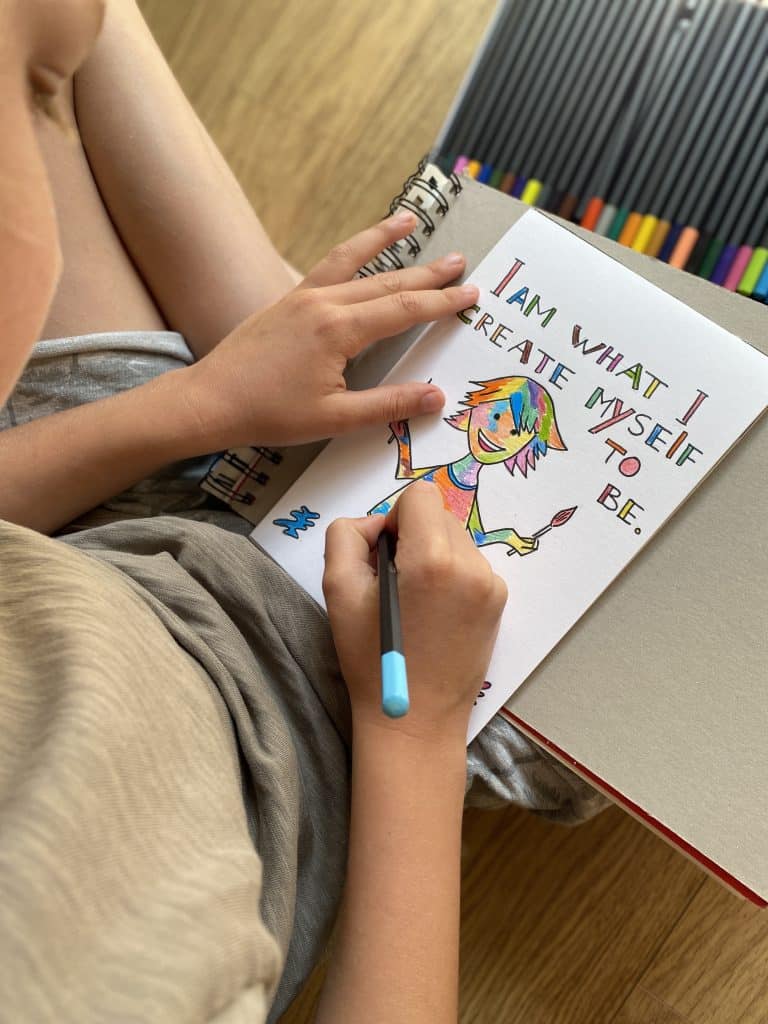
A page that’s mostly blank except for a decorative border gives a kid total freedom inside a defined space. The border keeps the page from feeling completely overwhelming, while the empty middle leaves plenty of room to invent.
This is a good option for kids who get frustrated by pages with too much pre-drawn detail to manage, since there’s a lot less to mess up.
✎ Printable Picks
12. A Page That Grows Into a Bigger Project Over Several Days
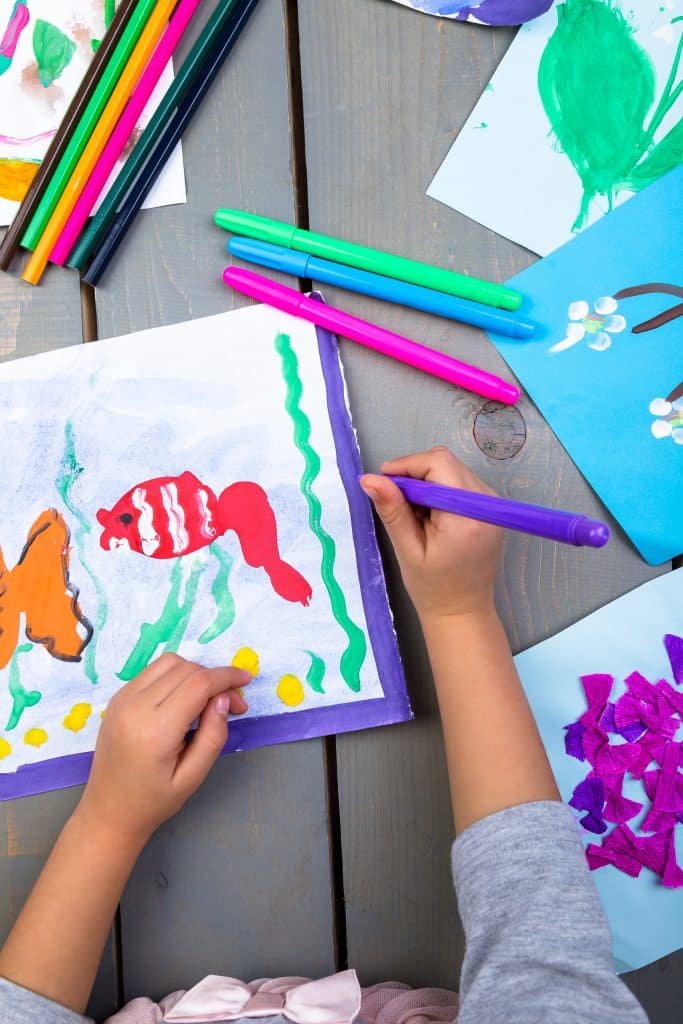
Handing over one section of a larger picture at a time, instead of the whole thing at once, spreads a single project out over multiple quiet time sessions. Each day becomes its own small chunk of the bigger picture instead of one long sitting.
Parents who use this trick say it works well for kids who might not sit still for a full hour at once, but who will happily return to the same project in shorter bursts across a few days.
13. Coloring Pages With a Small Built-In Puzzle
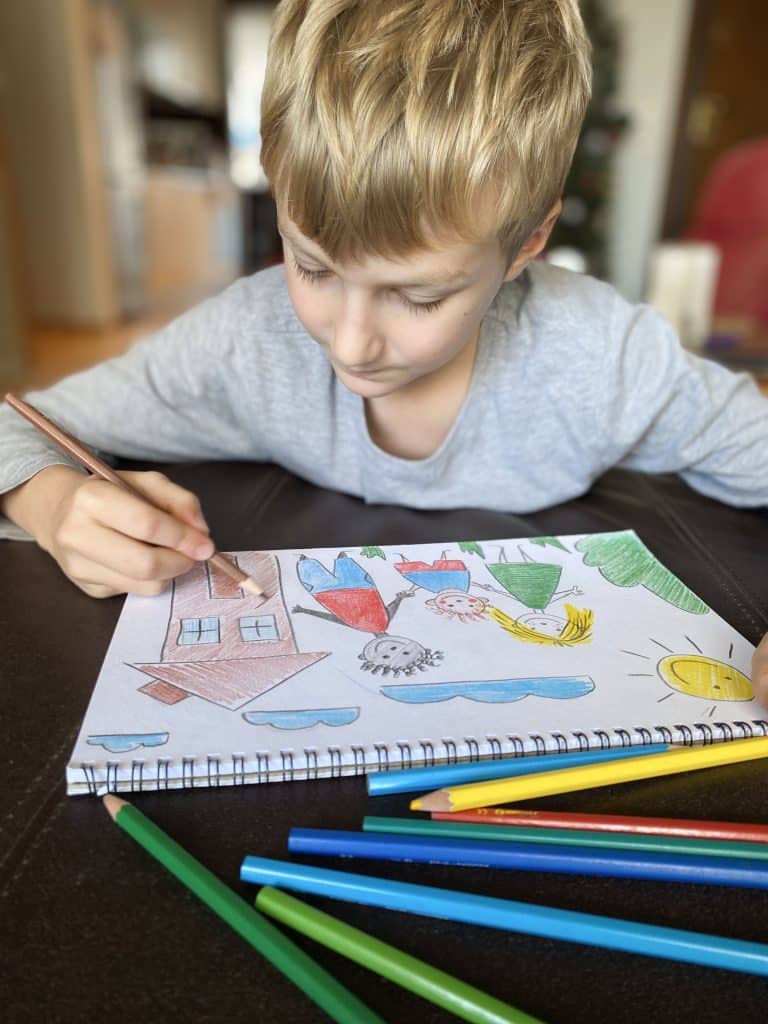
Pages that include a simple maze, a matching game, or a spot-the-difference element alongside the coloring itself give a kid two different types of focus to switch between. When the coloring itself starts to feel repetitive, the puzzle part offers a built in change of pace.
This combination tends to buy more total quiet time than either activity would on its own, since a kid can bounce between the two without actually getting up.
14. A “Color This Character’s Day” Sequential Page
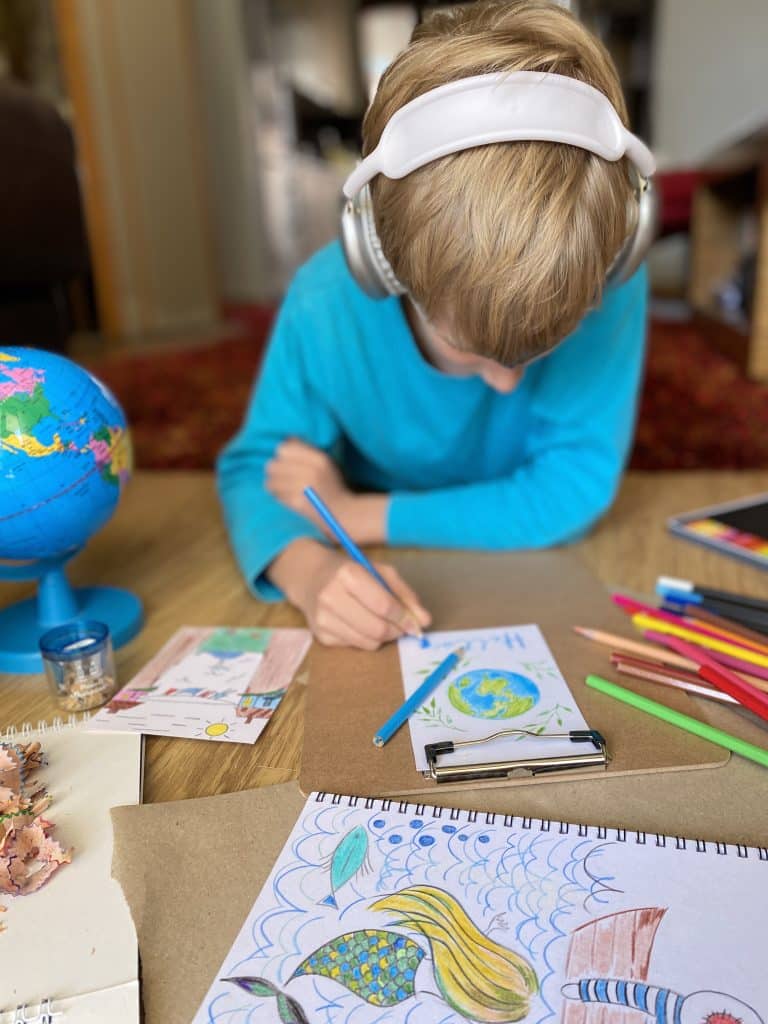
A page split into several small panels, showing a character waking up, eating breakfast, going somewhere, gives a kid a small story to work through panel by panel. It’s a bit like a coloring book crossed with a comic strip, and it tends to hold attention through each new panel.
Kids often narrate the story out loud as they go, which makes it a nice option for a slightly more social version of quiet time, without it turning into full blown loud play.
15. Glitter Glue or Textured Add-Ons for a Finished Page
Letting a kid add a small amount of glitter glue, stickers, or textured details to an already colored page turns finishing into its own separate activity. It stretches out the total time spent on one page without needing a second coloring page at all.
This works best with some light supervision, but even five extra minutes of careful gluing can add real length to a stretch of quiet time that was otherwise winding down.

16. A Coloring Page Tucked Into a Travel Kit
Keeping a small folder of coloring pages and a mini box of crayons specifically for the car, a stroller, or a bag by the door means quiet time doesn’t have to depend on being at home. It becomes portable in a way a lot of other quiet activities aren’t.
Keep Them Busy · Why It Matters
Parents who keep this kit stocked and ready say the real value is not having to think about it in the moment. It’s already there when it’s needed.
17. A Page With Instructions to Color It “Wrong” on Purpose
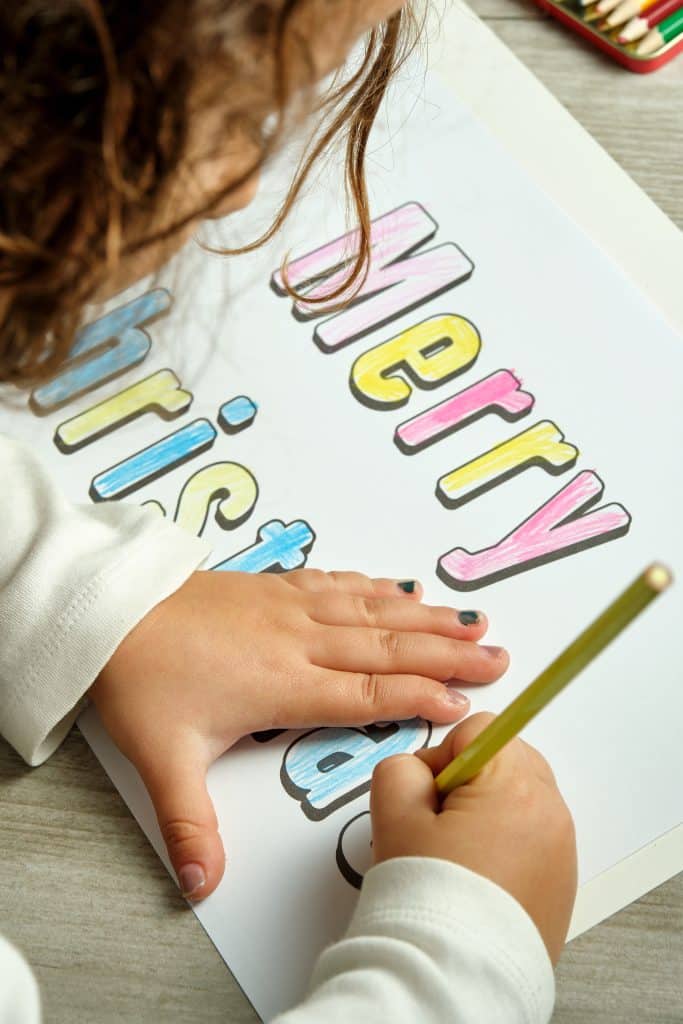
Occasionally suggesting a kid color something the “wrong” way on purpose, purple grass, a blue banana, taps into a kind of silliness that keeps older kids from feeling like coloring is too young for them. It turns a familiar activity into something a little more playful.
This works surprisingly well for kids who’ve started to lose interest in regular coloring, since the novelty of doing it “wrong” makes the whole activity feel new again.
18. A Reward Sticker Waiting at the End of a Page
Taping a small sticker to the back of a coloring page as a surprise for finishing gives a kid a little extra motivation to see the page through to the end instead of abandoning it halfway. It’s a small trick, but it works.
Parents who use this one say it’s especially effective for kids who tend to start strong and lose steam partway through. The sticker becomes a reason to push through that dip.
Before you go — a few more to color your afternoon:
19. A “Color for Someone Else” Page
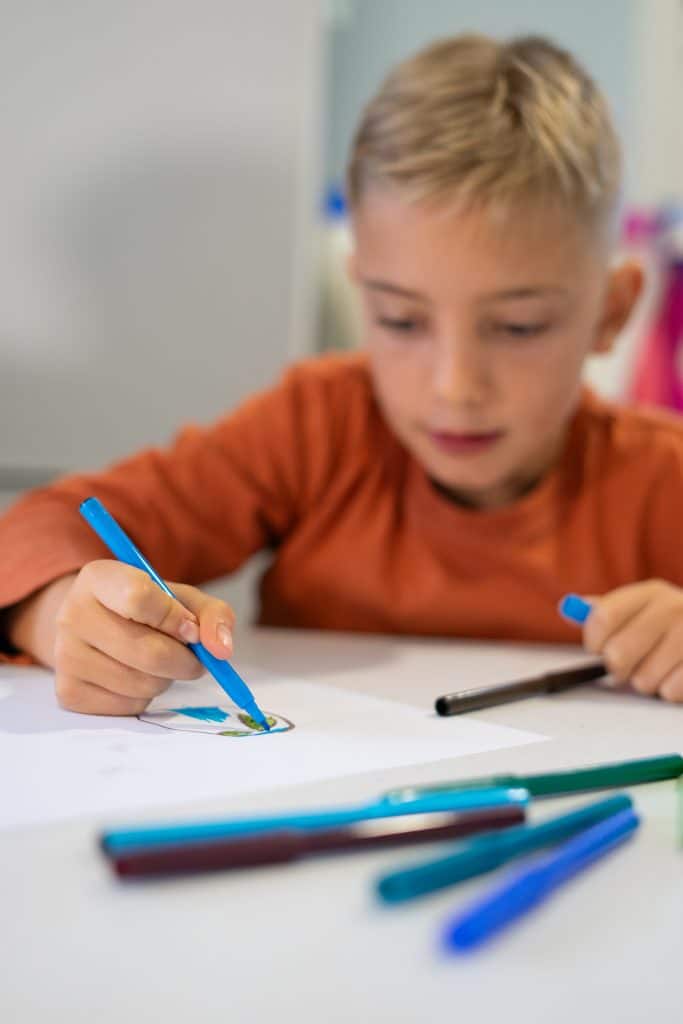
Framing a coloring page as a gift for a grandparent, a sibling, or a friend gives a kid a reason to care about the outcome that goes beyond the activity itself. Kids often take noticeably more time and care on a page they know is headed somewhere specific afterward.
It also gives quiet time a natural next step once the coloring is done, mailing it, hanging it up, handing it over, which extends the whole experience a little further than a page that just goes straight into a drawer.
Quiet time is never really about the coloring itself, it’s about buying a stretch of calm that holds up longer than five minutes. A surprise folder, an audiobook pairing, or a page colored specifically for someone else can each stretch that calm a little further than a plain page ever could on its own.
Which of these would actually earn you the longest stretch of quiet in your house, and is there one you’re already relying on?