10 Ways Coloring Time Can Calm an Overstimulated Kid
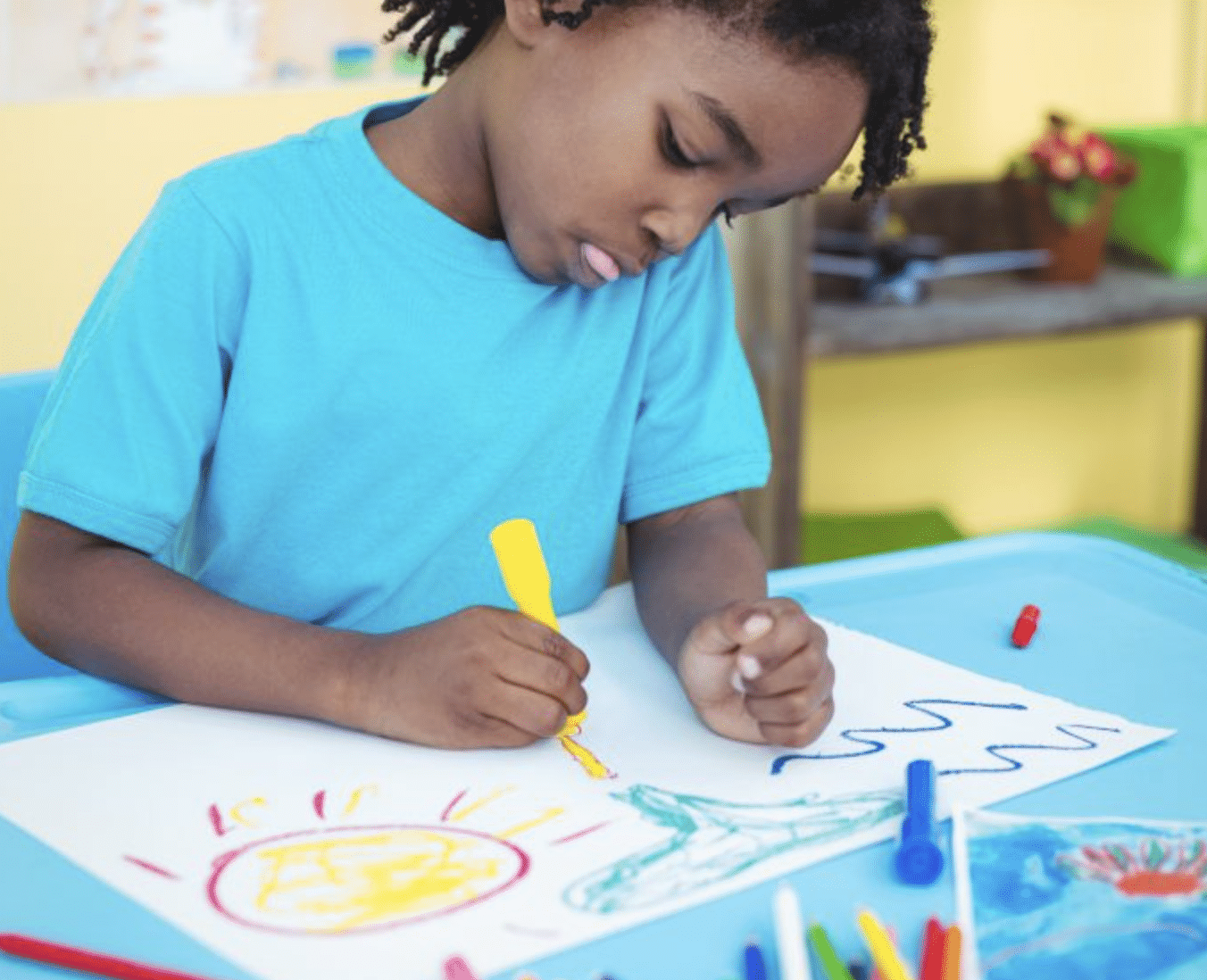
Big feelings show up fast in little bodies. One minute everything’s fine, the next there’s a meltdown over a sock seam or a snack cut the wrong way. When a kid gets overstimulated, their nervous system is basically running too many tabs at once, and yelling “calm down” never actually works. What does work, more often than not, is something quiet, repetitive, and low pressure, like a coloring page and a handful of crayons.
Here are ten ways coloring time can help pull an overstimulated kid back down to earth, plus a few tips for making it actually work in the moment instead of turning into one more thing to fight about.
1. It Gives the Brain One Simple Job
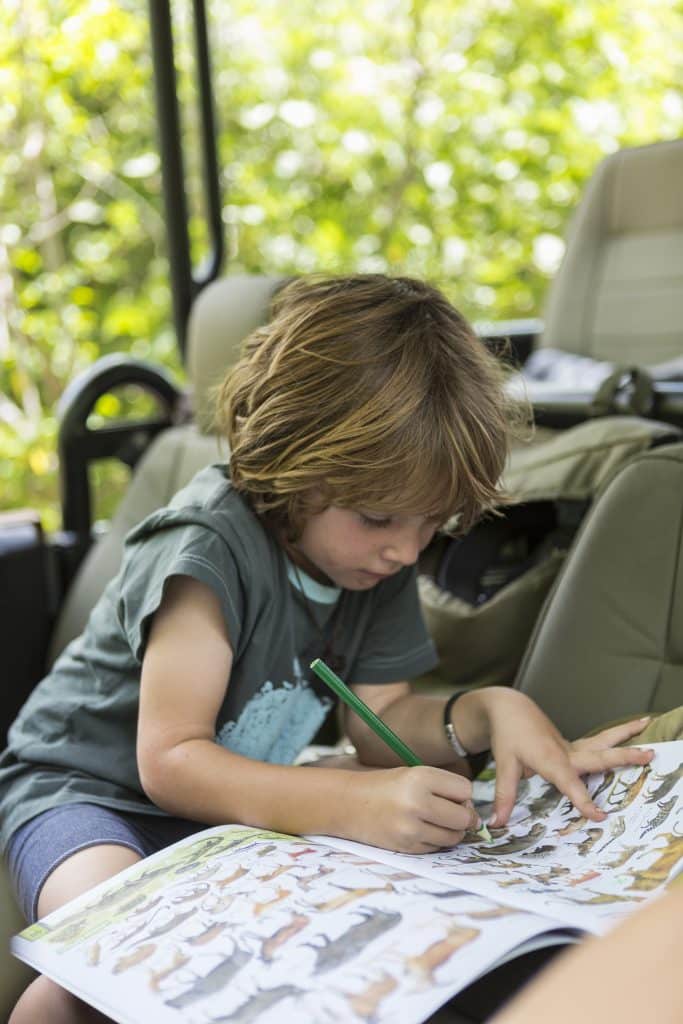
An overstimulated brain is juggling too much input at once: noise, light, other people’s emotions, its own emotions. Coloring narrows all of that down to one manageable task, staying inside a line or picking a color. That single point of focus gives an overwhelmed nervous system something small and doable to latch onto instead of nothing at all.
This isn’t about the picture looking good. It’s about giving the brain a job simple enough that it can actually succeed at it, which matters a lot when everything else in the moment feels too hard.
More like this: 15 Coloring-Based Activities That Help Kids Learn Letters and Numbers
2. The Repetitive Motion Is Naturally Soothing
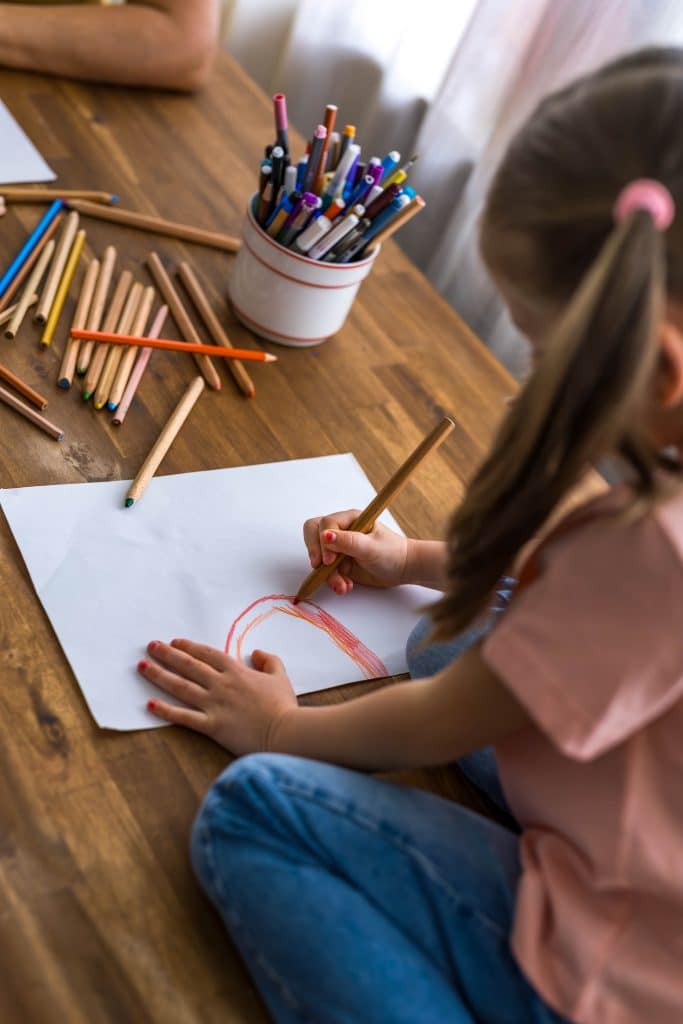
Back-and-forth coloring strokes are rhythmic, and rhythmic movement has a real calming effect on the body. It’s the same reason rocking a baby works, or why some kids pace when they’re anxious. The motion itself helps regulate breathing and heart rate without anyone having to say a word.
Handing over a page with big open spaces (skies, water, wide backgrounds) gives more room for that repetitive scribbling, which tends to be more soothing in the moment than fussy detail work that requires precision a stressed-out kid probably doesn’t have access to right then anyway.
3. It Lowers the Pressure to Perform
A lot of overstimulation gets worse when a kid feels like they’re being watched, corrected, or expected to do something right. Coloring has almost no performance pressure attached to it. There’s no wrong way to color a dinosaur purple.
That low-stakes environment matters. A kid who’s already maxed out doesn’t need one more task where they can fail or disappoint someone. Coloring lets them just move a crayon around without anyone grading the outcome, which takes a whole layer of stress off the table.
4. It Creates a Built-In Reason to Sit Still
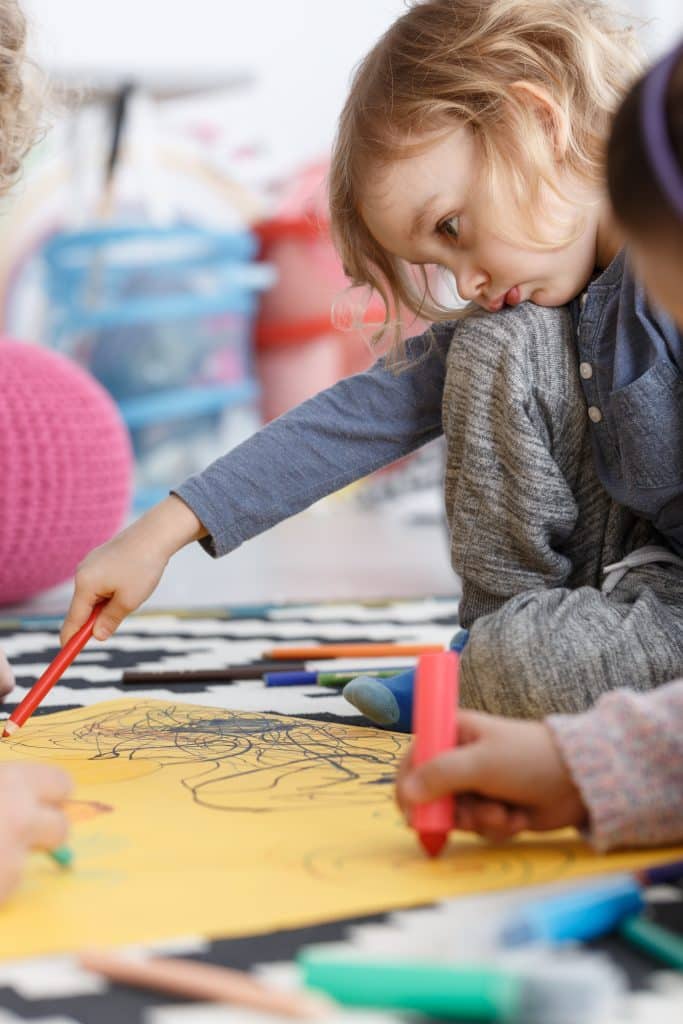
Telling an overstimulated kid to just sit down and breathe rarely lands, because sitting still with nothing to do can feel worse, not better. Coloring gives the body a reason to be still that doesn’t feel like a punishment or a timeout.
"This is my go-to when the day feels too long and everyone's stuck inside."
13 Screen-Free Coloring Activities to Keep Kids Busy for Hours →The page becomes the excuse to slow down, not a lecture about needing to. That distinction matters more than it sounds like it should. Kids will often accept stillness they’d otherwise resist, as long as it’s wrapped around something they’re choosing to do.
5. Choosing Colors Hands Back a Little Control
Overstimulation often comes with a total loss of control, too many decisions being made around a kid or too much happening to them. Picking colors is a tiny decision, but it’s theirs. Blue sky or purple sky, nobody else gets a vote.
That small sense of agency can take some of the charge out of a meltdown. It’s not going to fix a hard day by itself, but restoring even one small choice tends to help a kid feel less like everything is happening to them and more like they have some say again.
6. It Slows Down Breathing Without Making It a Lesson
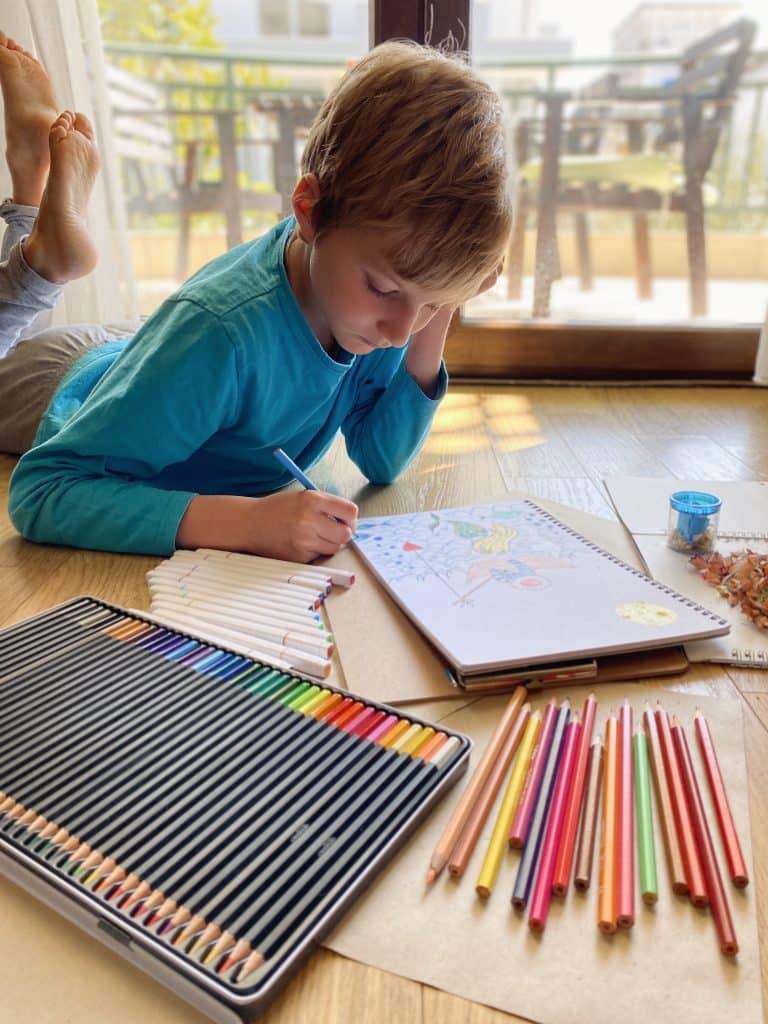
Focused, quiet activities naturally slow breathing down, and slower breathing is one of the fastest ways to nudge a stressed body toward calm. The advantage of coloring is that it does this without turning into a breathing exercise a kid has to be coached through.
Nobody has to count to four or talk about their diaphragm. The kid just leans over a page, gets absorbed, and their breathing evens out as a side effect of paying attention to something else. It’s calming with zero explaining required.
✎ Printable Picks
7. It Works as a Bridge Between Big Feelings and Talking
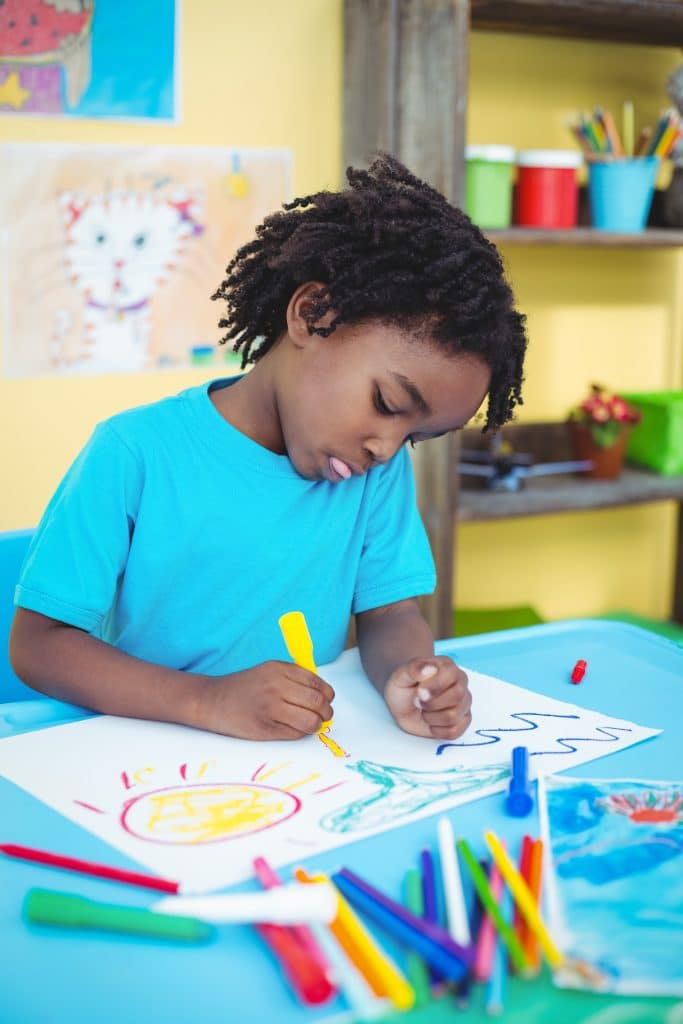
Right after a meltdown, most kids aren’t ready to explain what happened or how they feel. Coloring can act as a bridge, something to do with their hands while the storm passes, before any conversation is possible.
Sitting side by side with a coloring page, rather than face to face demanding answers, also takes pressure off. Some kids will start talking on their own once their hands are busy and the spotlight’s off them, simply because it no longer feels like an interrogation.
8. The Predictability Itself Is Calming
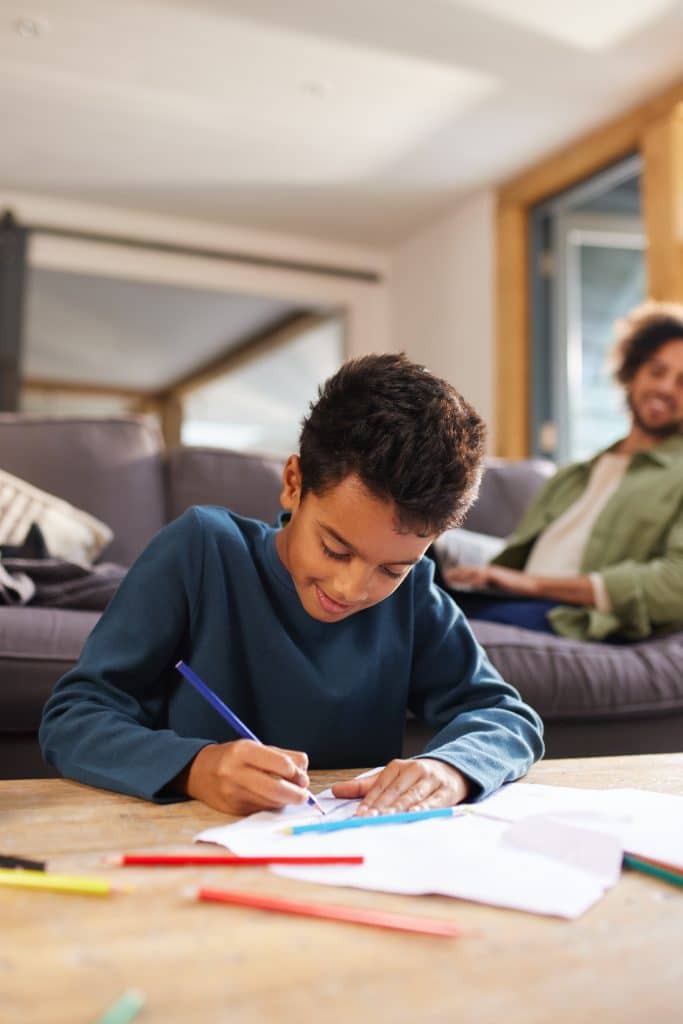
Coloring pages are predictable in a good way. The picture is already there, the crayons work the same way every time, nothing surprising is going to happen. For a kid whose day just got unpredictable in an upsetting way, that steadiness is worth a lot.
Familiar, favorite pages (an animal they always pick, a theme they never get sick of) add even more of that predictability. It’s one less unknown in a moment that already has too many.
9. It Gives Parents Something to Do Besides Manage the Meltdown
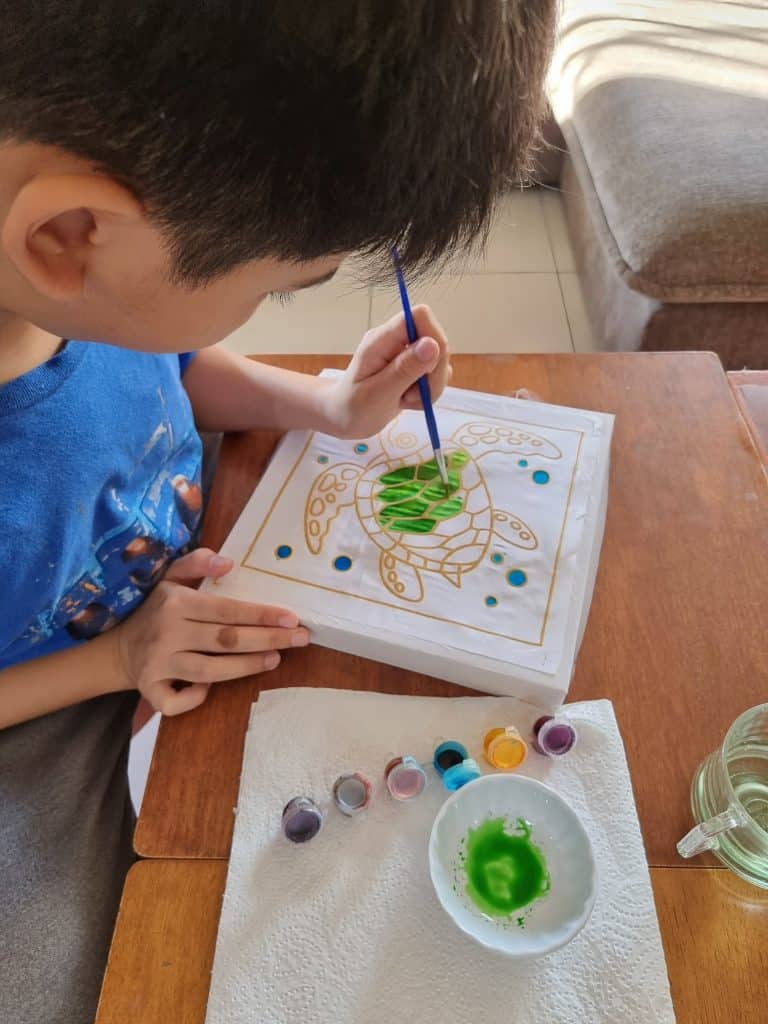
Coloring time isn’t only for the kid. Sitting down with a page gives a parent or caregiver something calm to do too, instead of hovering, negotiating, or trying to talk a kid down mid-meltdown. That shift in energy tends to rub off.
Keep Them Busy · Rainy-Day Fix
Kids pick up on adult stress fast, so a parent who’s visibly calmer, coloring their own page nearby, not staring the kid down waiting for compliance, often helps the whole situation de-escalate faster than any amount of talking would.
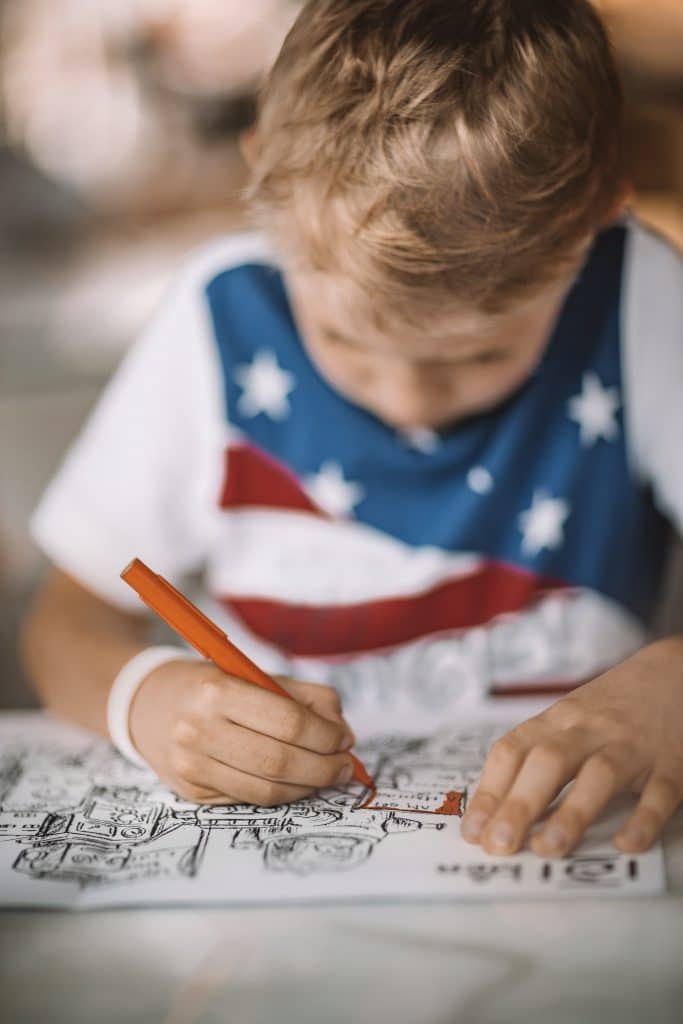
10. It Can Become a Reliable Reset Ritual
Used the same way often enough, coloring time can turn into a genuine ritual, a signal to a kid’s body that it’s time to come down from a spike. That kind of predictable routine is powerful for regulation, since the brain starts to associate the activity itself with calming down before the calm even fully arrives.
Before you go — a few more to color your afternoon:
It doesn’t need to be a big production. Same basket of crayons, same handful of go-to pages, kept somewhere easy to grab. The ritual doing the work is more important than anything fancy about it.
Coloring isn’t a cure for overstimulation, and it won’t work every single time for every single kid. But as a low-pressure, no-explaining-required tool to have on hand, it’s hard to beat. What’s your go-to move when your kid hits overload, and does coloring make the list?