15 Easy Coloring Activities Kids Can Do Completely on Their Own
There’s a specific kind of relief that comes from a kid saying “I’ve got it” and actually meaning it. No help finding supplies, no instructions to repeat three times, no checking in every two minutes. Truly independent coloring activities are worth their weight in gold on busy mornings, work-from-home afternoons, or anytime a parent just needs twenty uninterrupted minutes.
Here are fifteen coloring activities simple enough that a kid can start, manage, and finish entirely on their own.
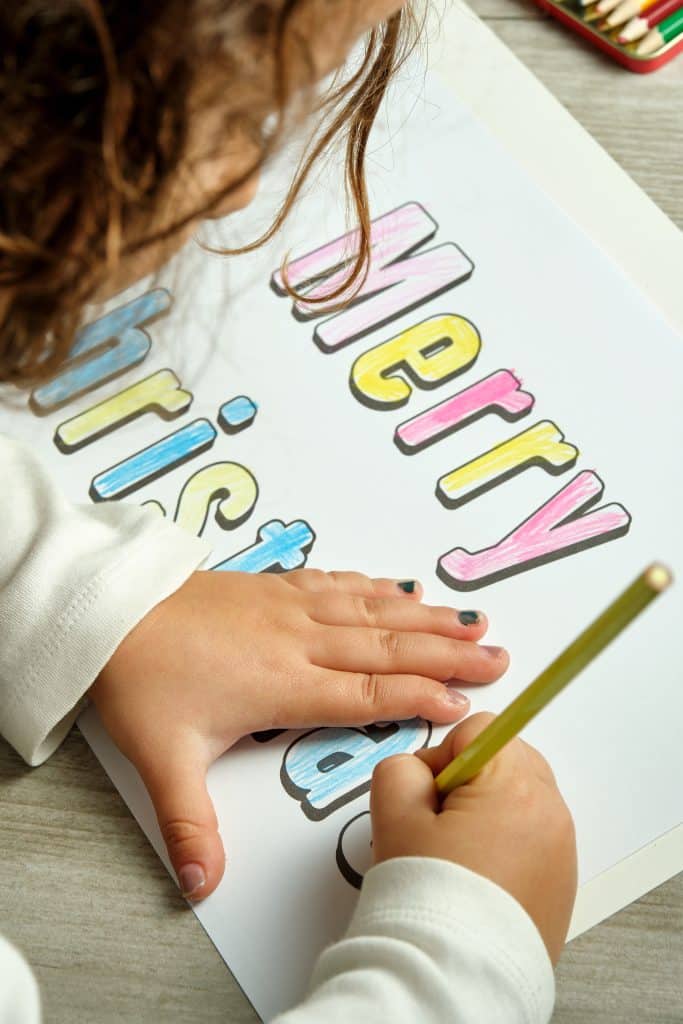
1. A Basic Coloring Book With No Extra Instructions
The simplest option is often the best one. A regular coloring book, one a kid can flip open and start on without needing anything explained, removes every barrier to just getting started.
Keeping a couple of these easily accessible, at kid height, in a spot they already know, means a kid can grab one and go without needing a parent to set anything up first.
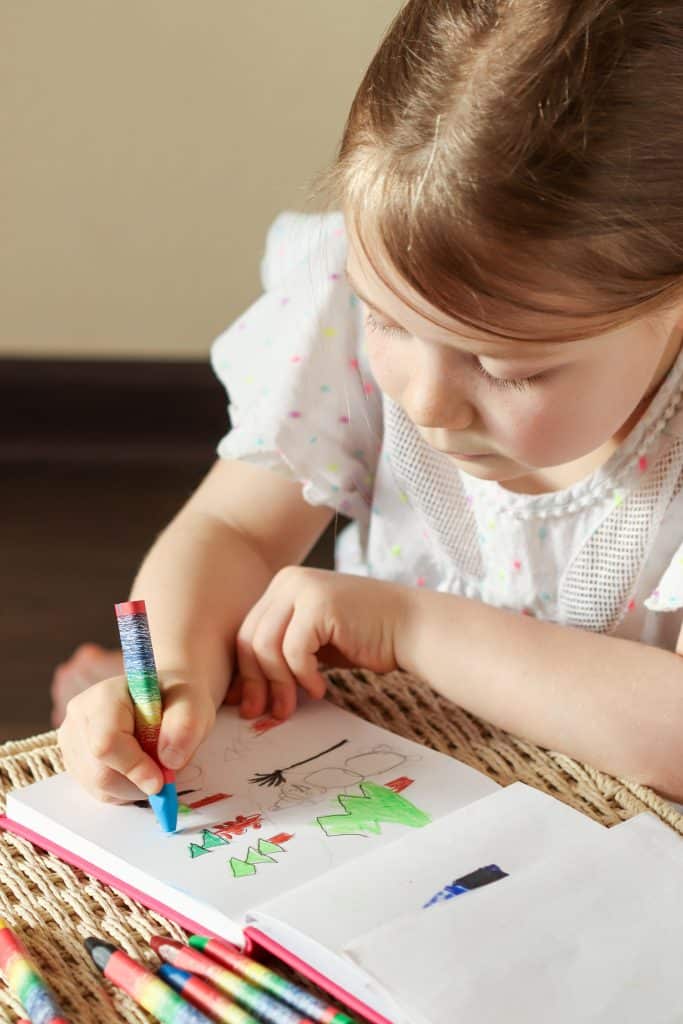
2. Single Loose Pages Stored in an Easy-Access Folder
A folder or bin of pre-printed loose pages works the same way as a coloring book but offers more variety, since a kid can pick whatever page matches their mood that day instead of working through a book in order.
Keeping this folder somewhere low and obvious, rather than in a drawer a kid has to ask about, is the whole point. If they have to ask for help finding it, it’s not really independent anymore.
More like this: 11 Boredom-Buster Coloring Ideas for a Rainy Afternoon
3. Color-by-Number Pages With a Simple, Visible Key
Color-by-number pages are naturally self-directed once a kid understands the basic concept, since the key tells them exactly what to do without any outside guidance needed. There’s no ambiguity about what color goes where.
These work especially well for kids who like a clear sense of progress, since watching the numbered sections fill in gives them an obvious, self-paced way to track how far along they are.
4. Sticker-and-Color Combo Pages
Pages that combine a coloring section with a spot for stickers give a kid two related tasks to move between on their own, which tends to hold attention longer without needing any outside direction to keep going.
Keeping a small sticker sheet paired with the page ahead of time means a kid isn’t stuck mid-activity waiting on someone else to dig up the stickers from wherever they ended up.
5. A Dedicated Coloring Caddy Kids Can Grab Themselves
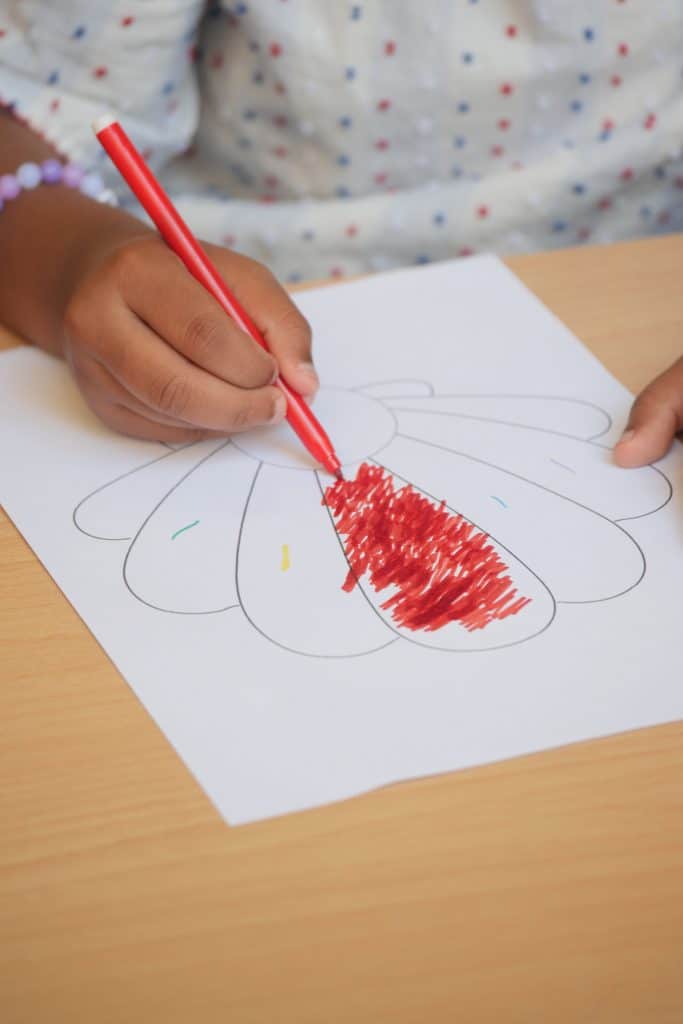
A small caddy or basket holding crayons, markers, and a few pages, kept somewhere a kid can physically reach without help, removes the most common reason independent coloring time falls apart: needing an adult to fetch supplies.
This works best when it’s restocked regularly and kept in the same spot every time, so grabbing it becomes automatic instead of something that requires checking in first.
6. Simple Mandala or Pattern Pages
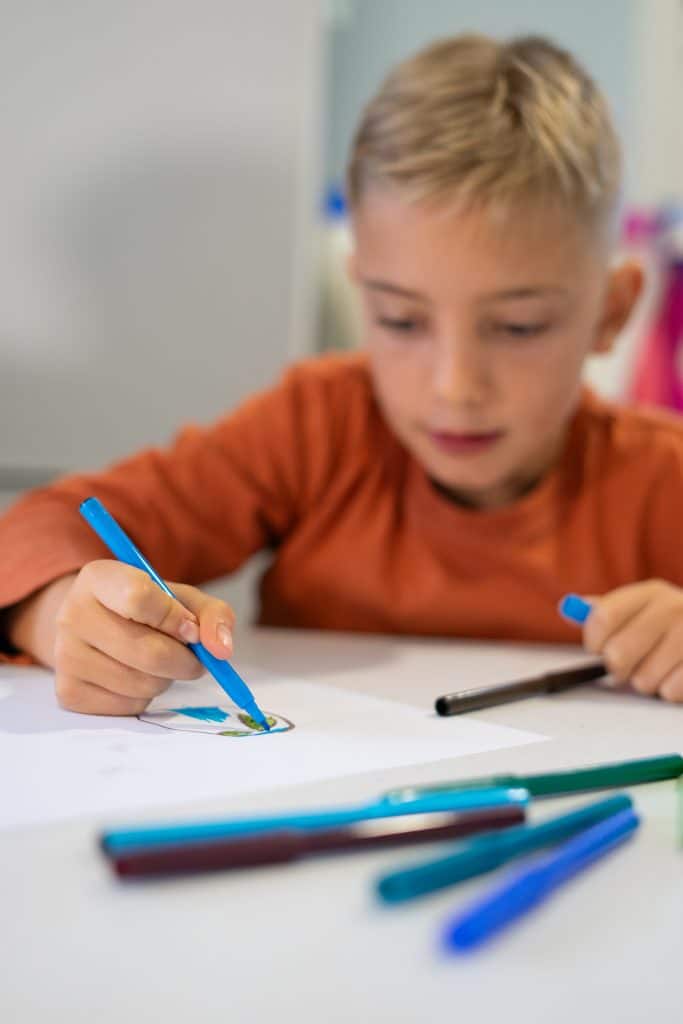
Mandala and pattern pages are naturally repetitive and don’t require any real planning or decision-making to start. A kid can just begin at one section and keep going, without needing to figure out a strategy first.
"I still use this one in my own classroom notes."
17 Coloring Page Ideas Every Elementary Teacher Should Have on Hand →That repetitive, low-decision structure makes them a solid choice for independent time specifically, since there’s very little to get stuck on or need clarified partway through.
7. Nature and Outdoor Scene Pages
Pages featuring familiar outdoor scenes (trees, animals, gardens) tend to need less explanation than pages tied to a specific story or character a kid might not recognize on their own. A tree just needs to be colored like a tree.
This familiarity means less guesswork, and less guesswork means a kid is less likely to pause and ask what something is supposed to be before continuing.
8. A “Choose Your Own” Coloring Basket With Multiple Options
A basket holding a small variety of different page types (some seasonal, some animal-based, some patterns) gives a kid enough choice to stay interested without needing anyone to suggest what to try next.
The variety itself supports independence, since a kid who gets bored with one option can simply reach for another from the same basket instead of needing new material provided.
9. Pages With Built-In Simple Instructions Printed Right On Them
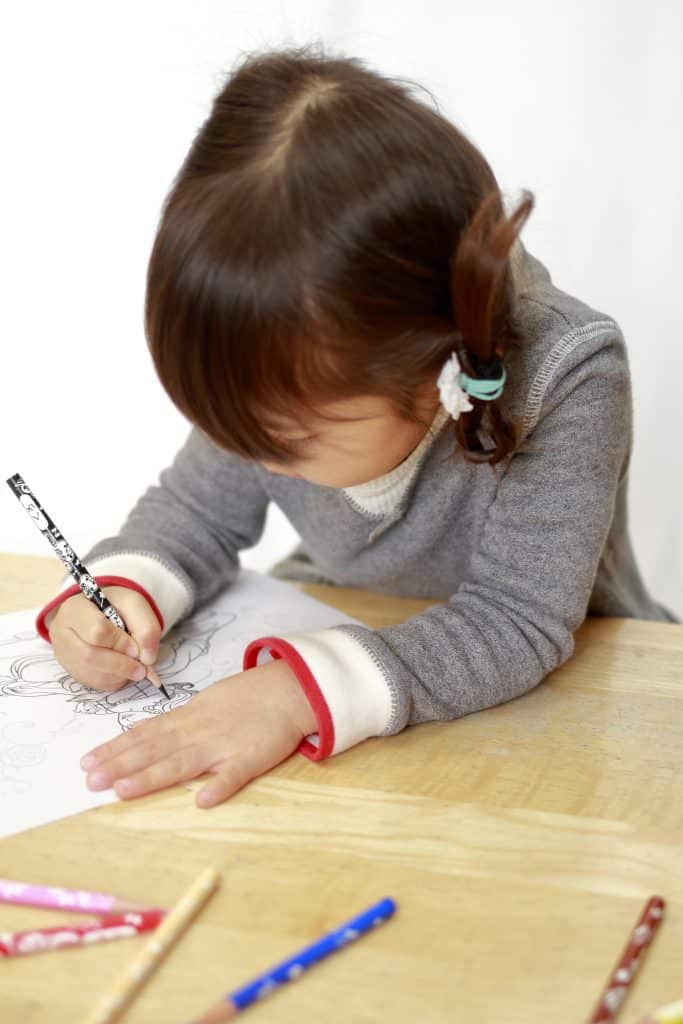
Some coloring pages include a short, simple instruction directly on the page itself (color the biggest circle red, for example), which lets a kid follow along without needing anyone to read or explain it out loud first.
This only works if the instructions are genuinely simple and age-appropriate. Anything more complicated defeats the purpose and turns an independent activity back into one that needs supervision.
✎ Printable Picks
10. A Predictable Weekly Coloring Page Kids Know to Expect
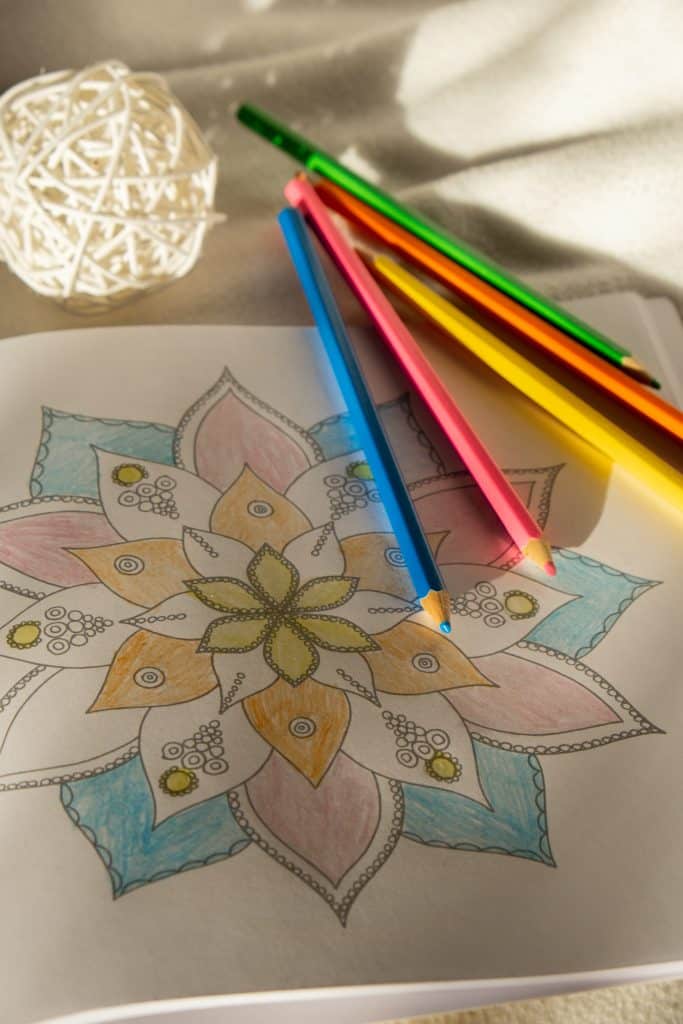
Setting up a simple weekly routine, a new page that shows up on the same day each week, builds enough predictability that a kid learns to expect and manage it without prompting. They know it’s coming and know what to do with it.
That kind of built-in expectation reduces the need for a parent to introduce or set up the activity fresh every single time, since the routine is already established.
11. Blank Paper With a Simple Prompt Written at the Top
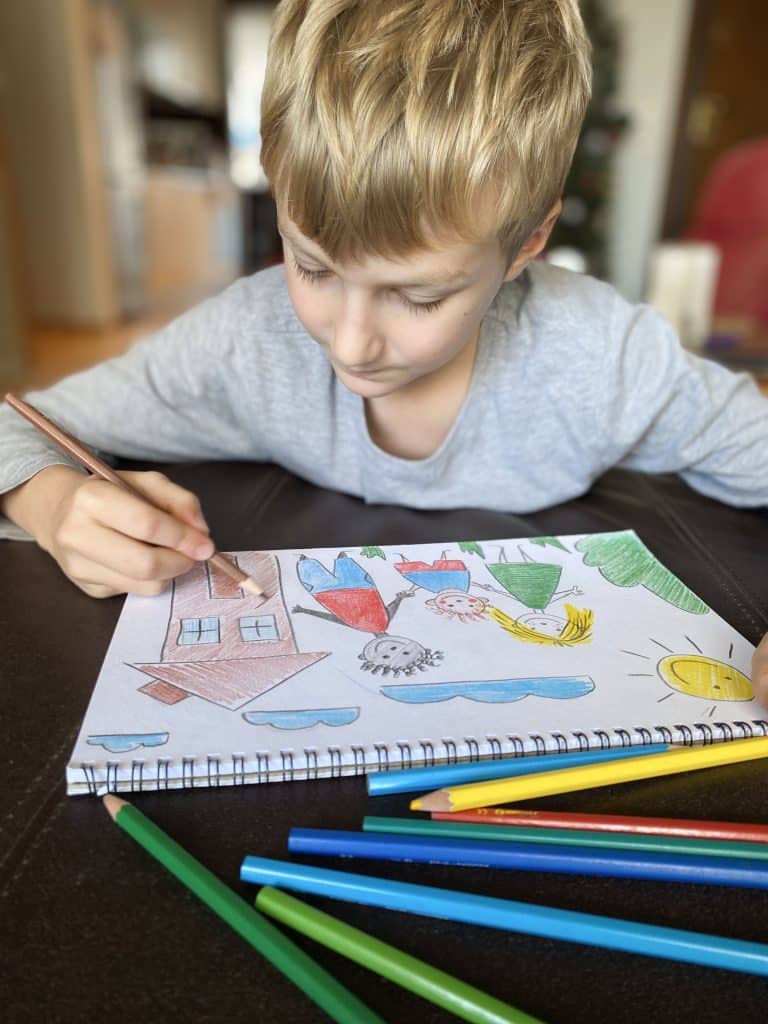
A plain sheet of paper with a short prompt already written on it (draw and color your favorite animal) gives a kid enough direction to start without needing an actual conversation about what to do.
This is a good option for kids who are a little older and enjoy more creative freedom, since it avoids the constraints of a preset picture while still giving enough structure to get going independently.
12. A Coloring Placemat Kids Can Use During Downtime
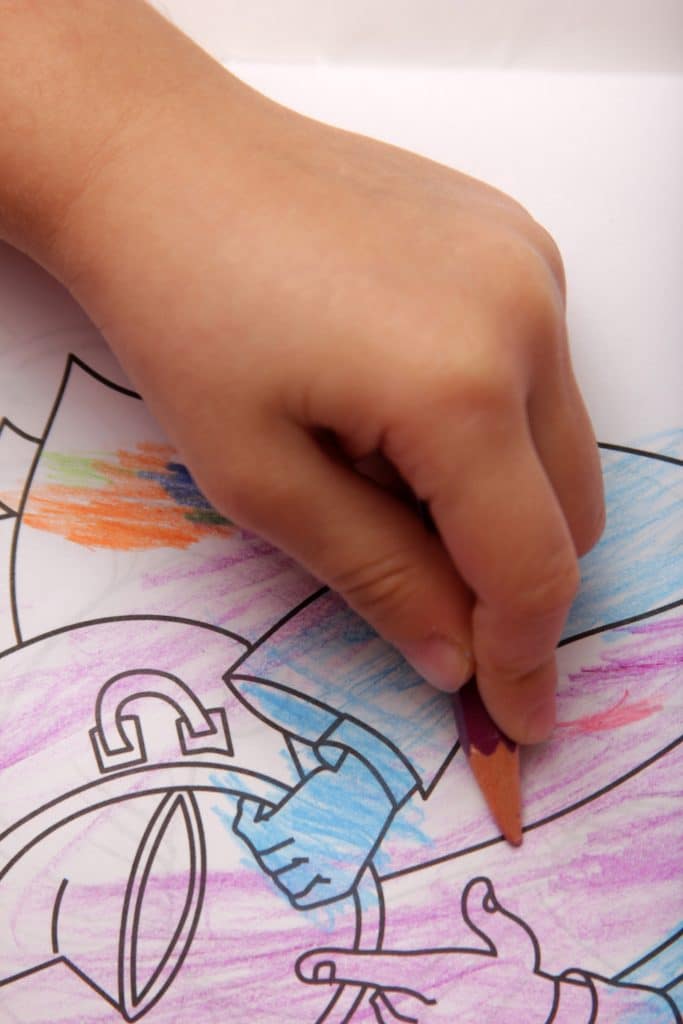
A durable, reusable coloring placemat gives a kid a built-in activity during moments that already happen without extra setup, like waiting for dinner or sitting at the table during a sibling’s activity.
Because it’s already part of the table setup, there’s nothing extra to locate or prepare, which makes it about as low-effort and independent as a coloring activity gets.
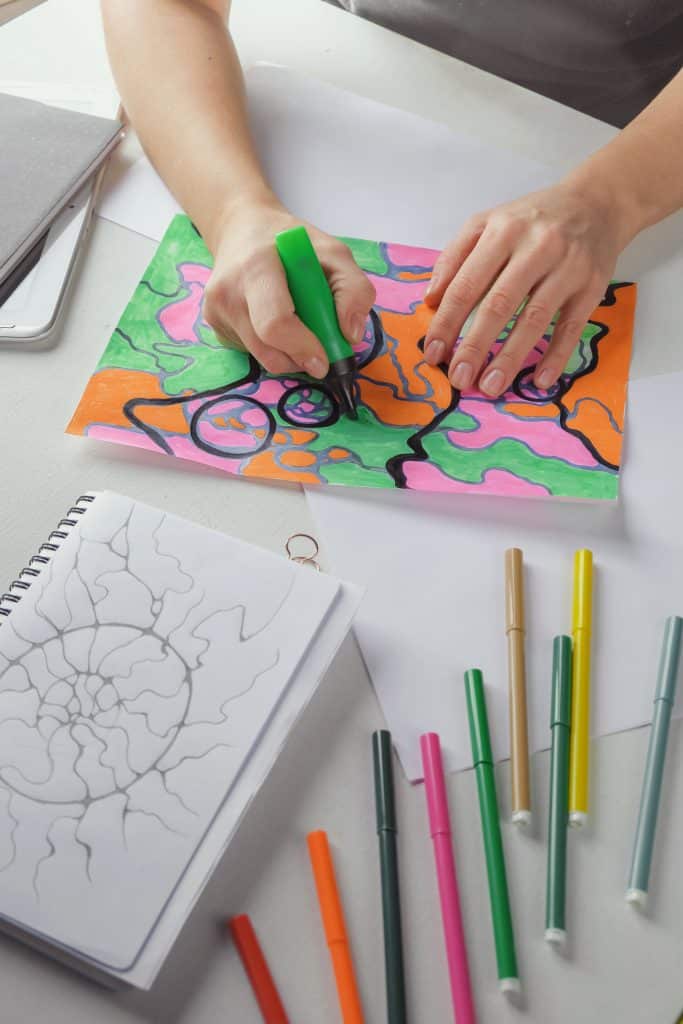
13. Simple Alphabet or Number Pages for Younger Kids
For younger kids just starting to work independently, alphabet and number pages with big, clear sections tend to need less fine motor precision and less decision-making than more detailed pages, which makes them easier to manage solo.
Keep Them Busy · For the Classroom
Starting simple here matters. A page that’s too detailed or fussy can turn into a frustrating experience that ends with a kid calling for help rather than sticking with it on their own.
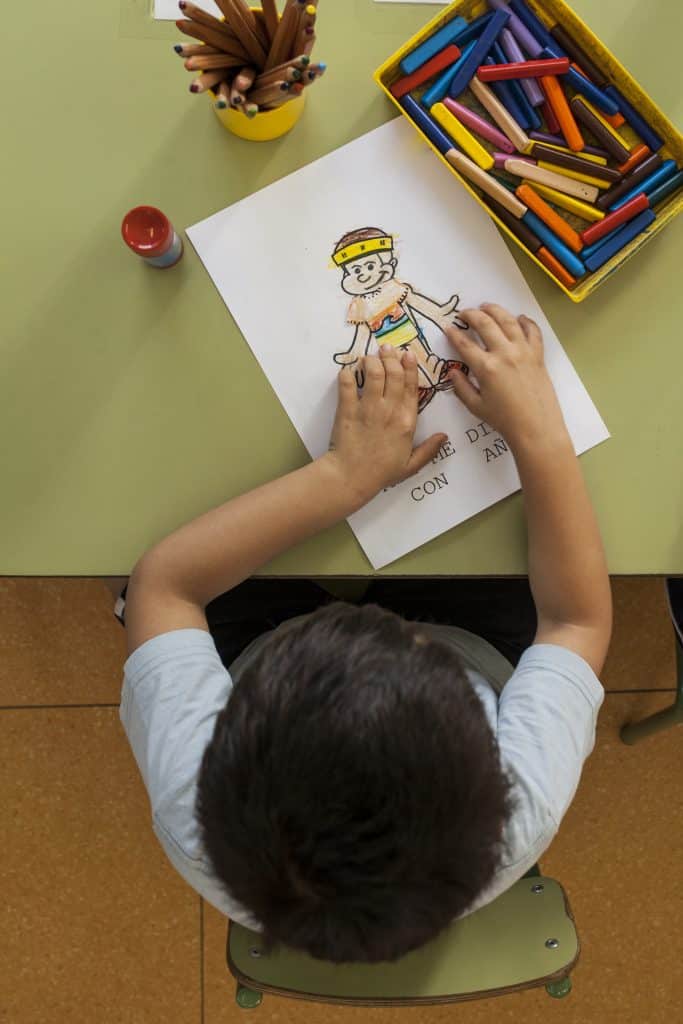
14. A Small Reward Chart Tied to Finished Pages
Pairing independent coloring time with a simple tracking chart (a spot to place a sticker every time a page gets finished) gives kids their own built-in motivation to keep going without needing outside encouragement along the way.
This turns the activity into something a kid manages start to finish on their own terms, including the follow-through of marking their own progress once they’re done.
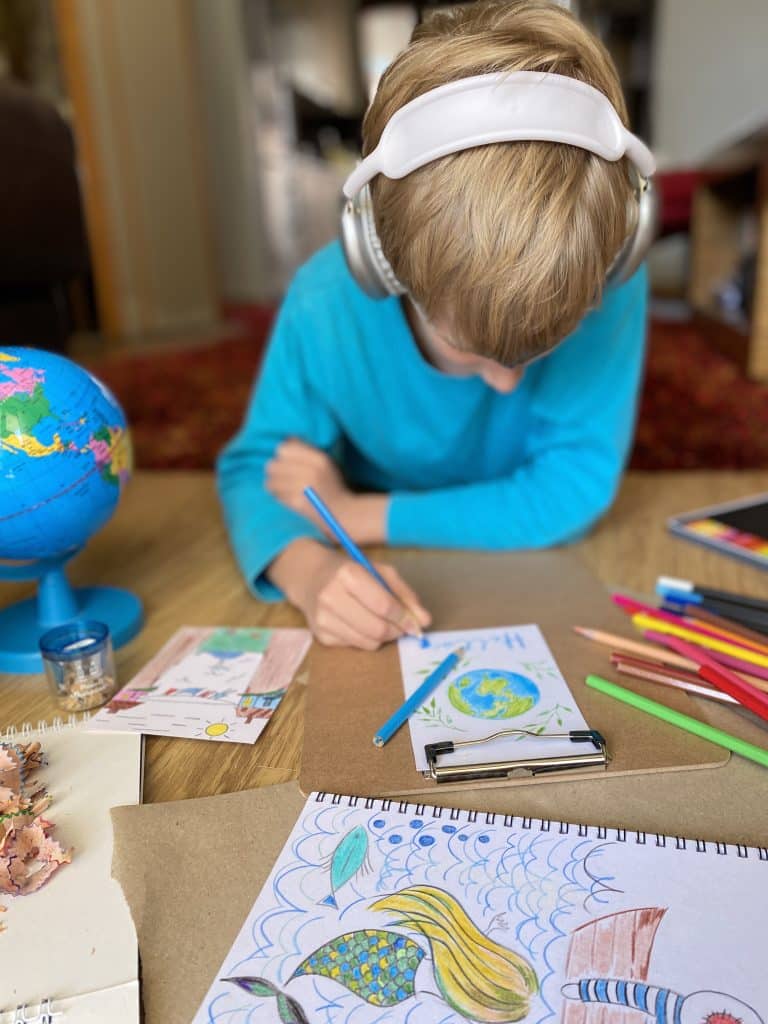
15. A “Coloring Corner” Set Up Specifically for Solo Time
Designating one small, consistent spot in the house as the coloring corner, stocked and ready, gives a kid a clear physical cue that this is a space and activity they’re expected to handle themselves.
Before you go — a few more to color your afternoon:
That consistency does a lot of the work. Once a kid associates a specific spot with independent coloring time, they tend to head there on their own without needing to be told or set up first.
The real trick with any of these isn’t the coloring page itself, it’s removing every little obstacle between a kid and actually getting started.
Which setup finally got your kid coloring on their own without you in the loop?