11 Signs Your Kid Is Ready for More Challenging Coloring Activities
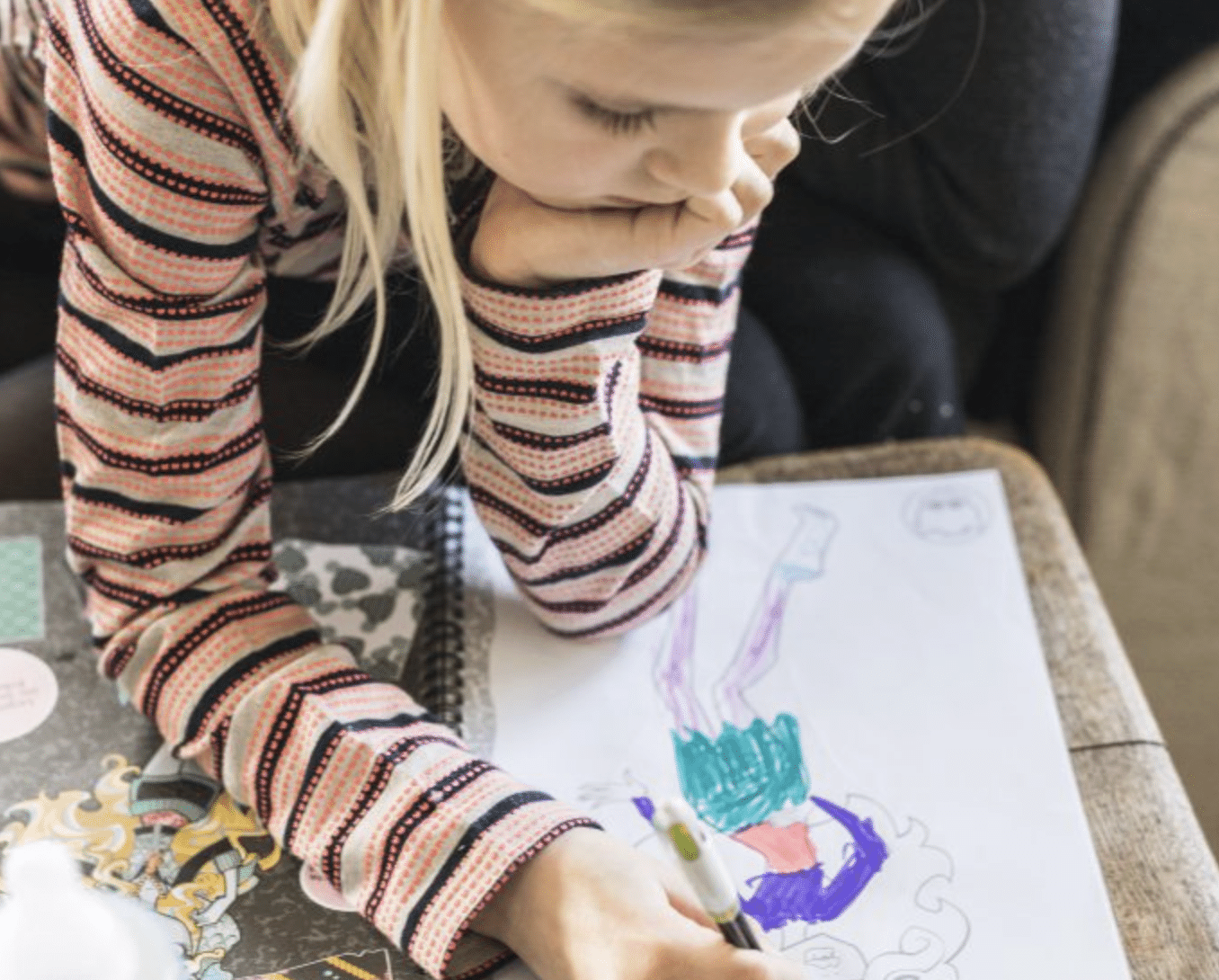
Every kid outgrows the big, simple pages eventually. The thick outlines and giant open spaces that used to feel just right start to feel a little babyish, and the coloring book gets tossed aside faster than it used to. The tricky part is knowing when that shift is actually happening, since it doesn’t come with an announcement.
Here are 11 signs that a kid might be ready to move up to something with more detail, more challenge, and a little more payoff.
1. They’re Finishing Pages Faster Than You Can Print Them
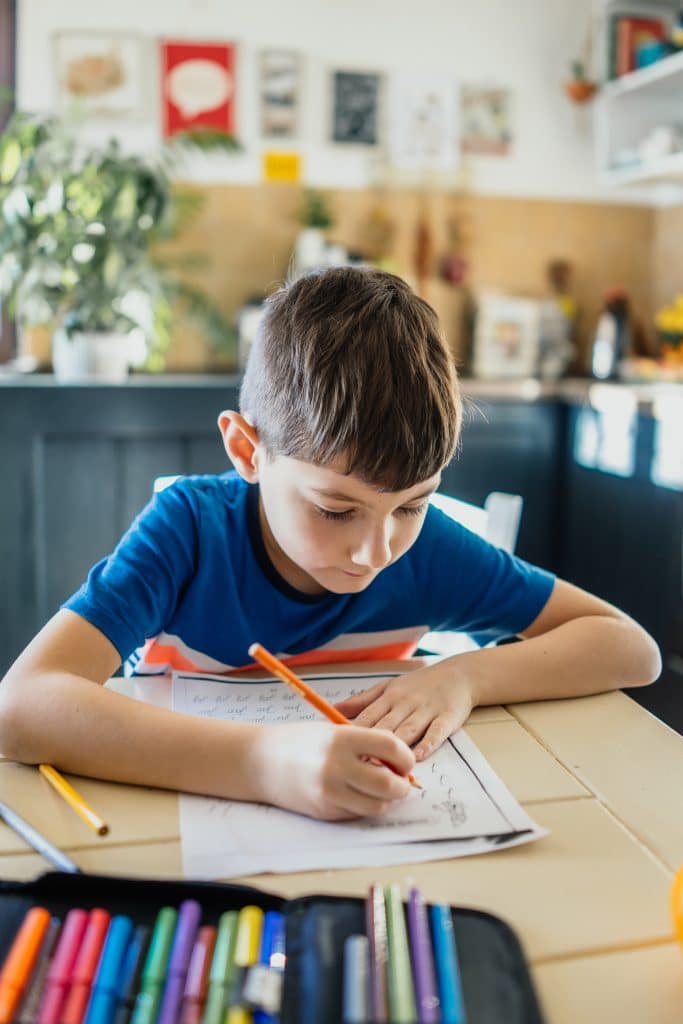
A page that used to take a solid twenty minutes is done in five. The kid isn’t rushing to be done with it, they’re just moving through it quickly because the amount of space to fill doesn’t take much effort anymore.
When the stack of “finished” pages starts piling up faster than the stack of blank ones, that’s usually the first real clue. The activity itself isn’t holding their attention the way it used to, not because they’re bored of coloring, but because the challenge has run out.
2. They Start Coloring Outside the Lines on Purpose
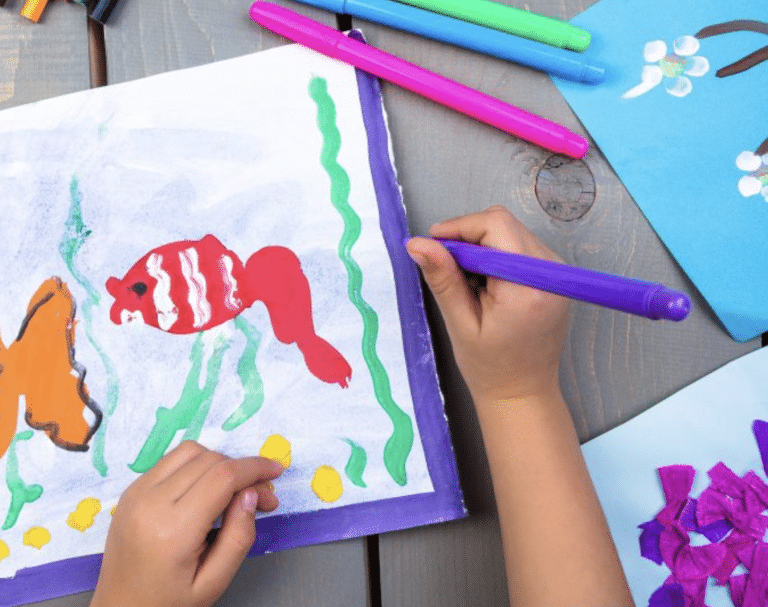
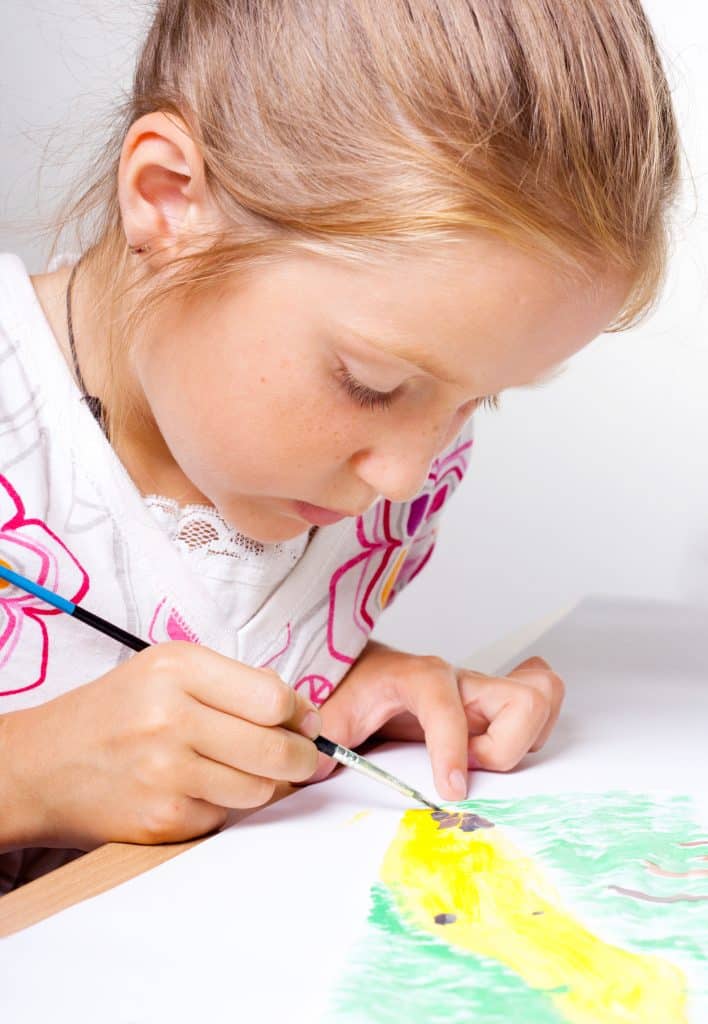
Straying outside the lines used to be a fine motor skill issue. Now it’s a choice. Kids who’ve mastered the basics sometimes start adding their own details, extra background, a sun that wasn’t in the original drawing, shapes nobody asked for.
More like this: 15 Coloring-Based Activities That Help Kids Learn Letters and Numbers
That kind of improvising is a good sign, not a bad one. It means the original page stopped being enough of a challenge on its own, and the kid is filling in the gap by inventing more to do.
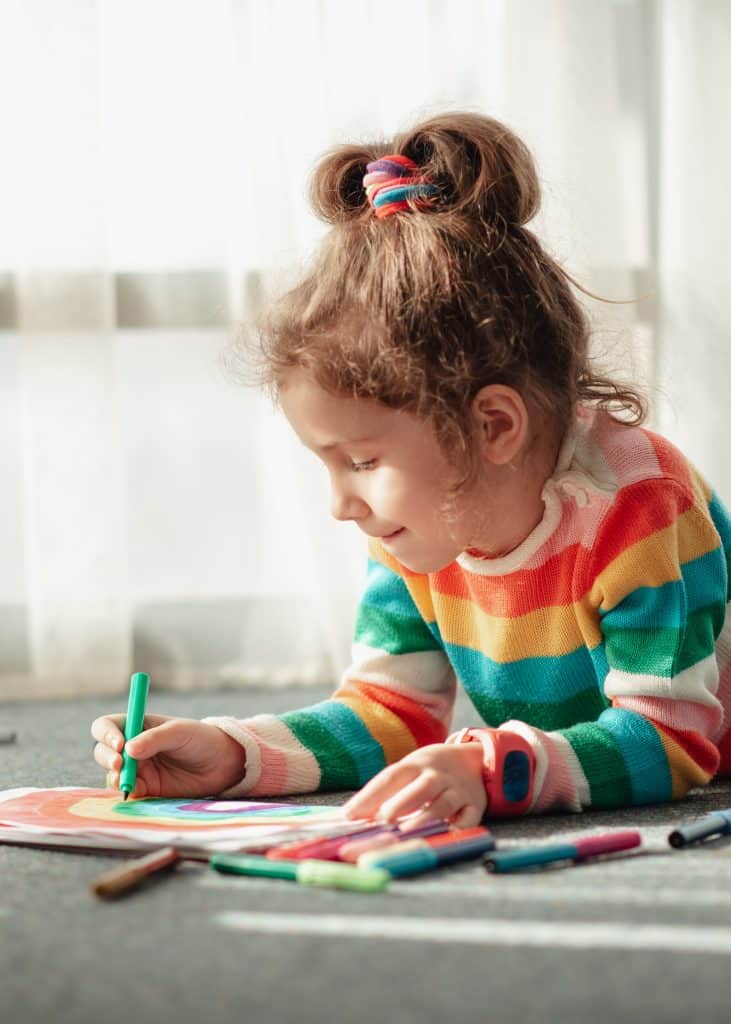
3. They Ask for Smaller Crayons or Colored Pencils
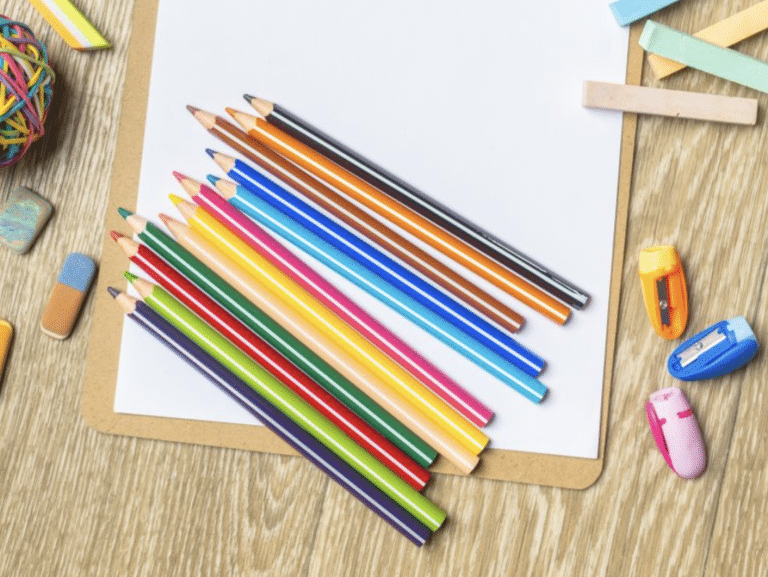
A kid reaching for the thin colored pencils instead of the fat toddler crayons is telling you something without saying it directly. Fine tip tools are harder to control, and a kid who wants to switch is usually one who’s ready for smaller spaces and finer detail.
This one tends to show up gradually. First it’s just curiosity about the “grown up” pencils in the drawer, then it turns into a real preference once they realize the thinner tip actually helps them stay inside smaller lines.
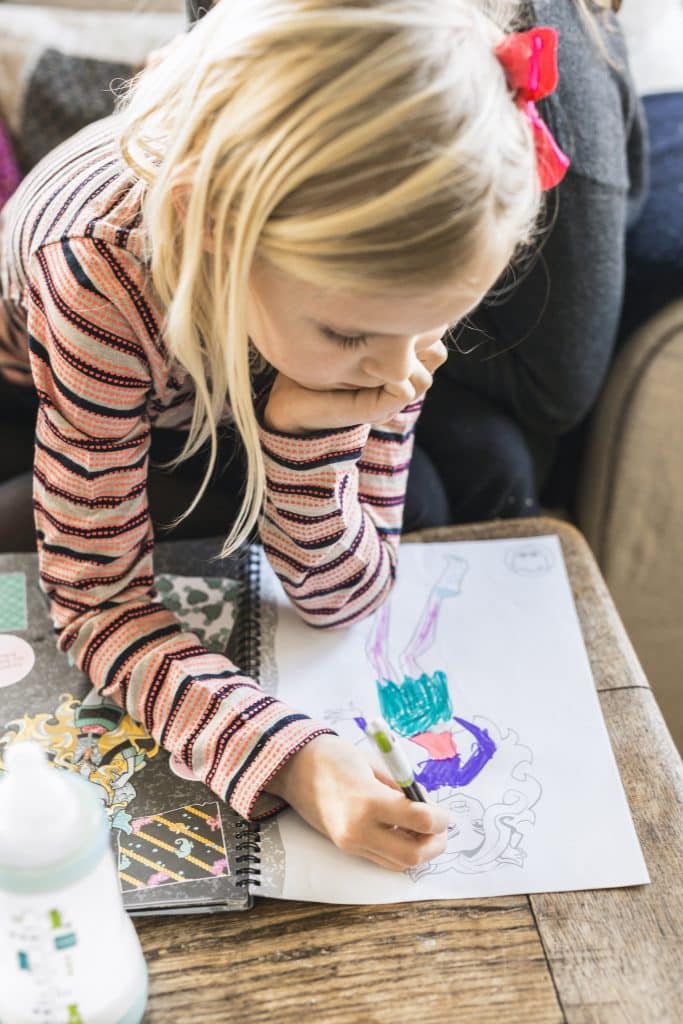
4. Simple Pages Start Getting Called “Boring”
It sounds like a complaint, but it’s actually useful information. A kid who used to happily fill in a single big flower and now says the same kind of page is boring isn’t being difficult, they’re telling you the level isn’t matching their skill anymore.
Parents sometimes take this as a sign to quit coloring altogether, when really it’s a sign to go up a level. The interest hasn’t disappeared, the pages just haven’t kept pace with where the kid is.
"This is my go-to when the day feels too long and everyone's stuck inside."
15 Easy Coloring Activities Kids Can Do Completely on Their Own →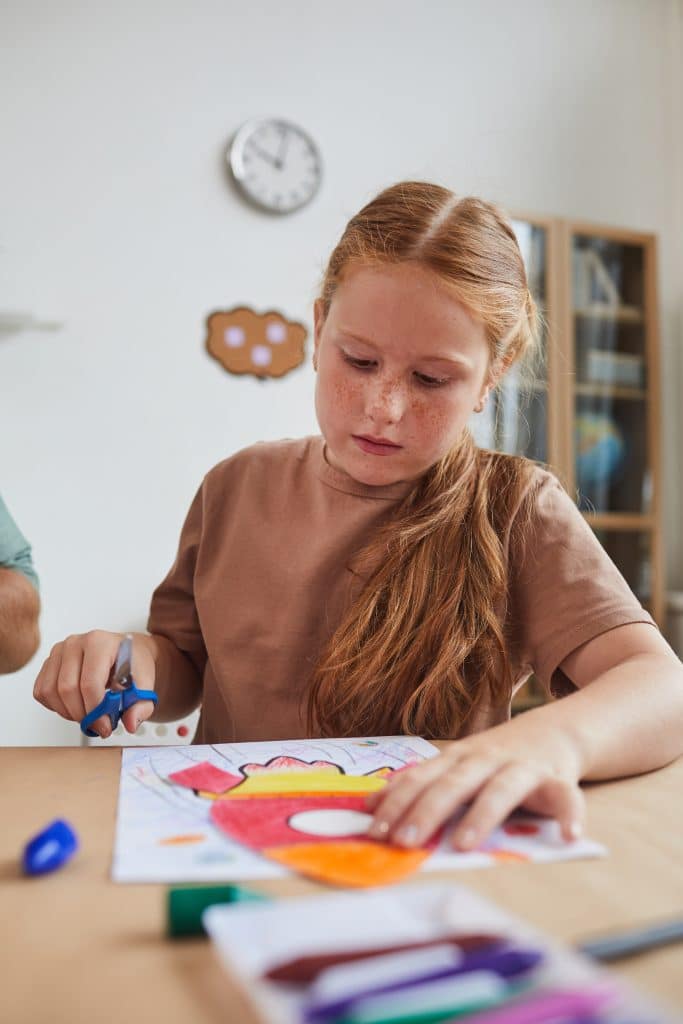
5. They Start Noticing and Fixing Their Own Mistakes
A younger kid usually won’t notice if a line goes crooked or a shape gets colored the wrong color. A kid who’s ready for more starts catching those things themselves, sometimes getting frustrated by a mistake that used to go completely unnoticed.
This kind of self-correction is a real developmental jump. It means they’re comparing what they made to what they intended, which is exactly the kind of thinking that harder pages with more precision actually reward.
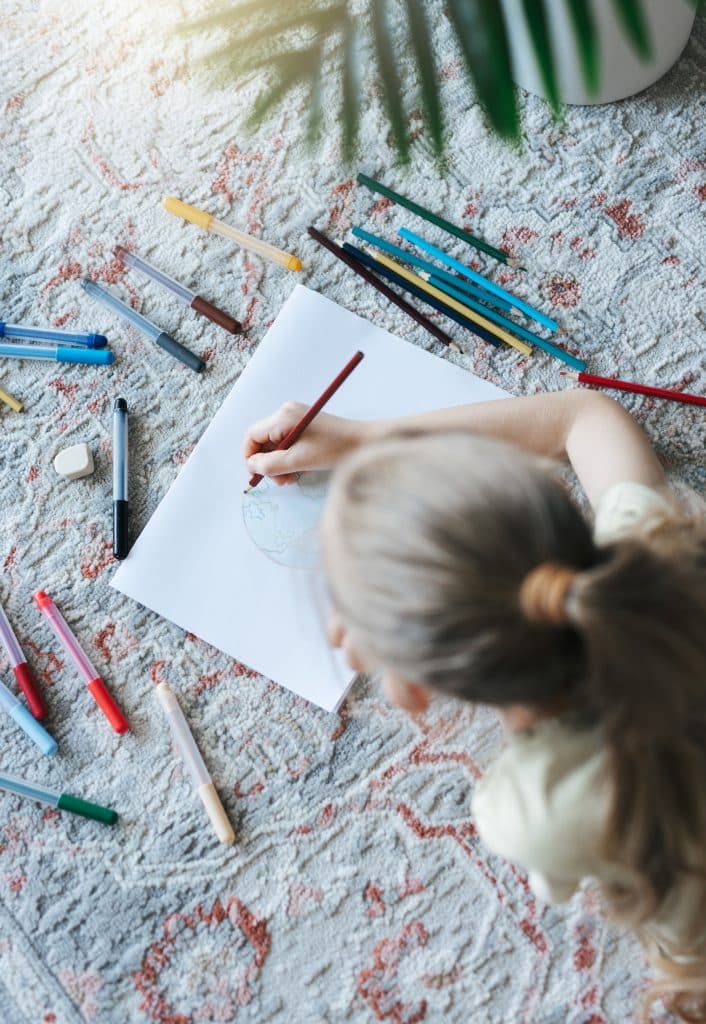
6. They Want to Match Colors to Real Life
Coloring a sky purple or grass orange doesn’t bother a younger kid one bit. But somewhere along the way, a lot of kids start caring whether the colors they use actually look like the real thing. Leaves need to be green. Fire trucks need to be red.
Once that shift happens, plain pages with big obvious shapes stop being interesting, because there’s nothing to think about. More detailed scenes give a kid more decisions to make about what color goes where, which is exactly the kind of problem solving they’re suddenly craving.
7. They Can Sit Still for Longer Stretches
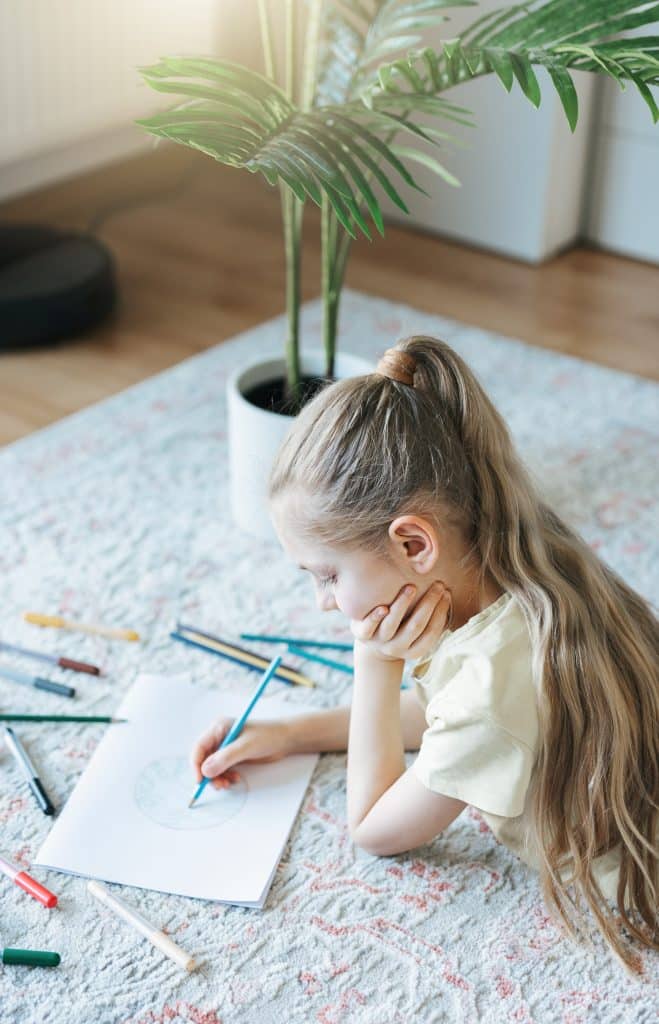
Attention span is one of the clearest practical signs. A kid who can now sit through fifteen or twenty minutes of focused coloring, instead of drifting off after five, has the patience level that more detailed pages actually require.
✎ Printable Picks
Intricate pages with lots of small sections take real sustained focus to get through. Handing one to a kid who still only lasts a few minutes at a time just sets everyone up for frustration. Longer stretches of focus mean the harder stuff is finally worth trying.
8. They Start Asking What Things Are Instead of Just Coloring Them
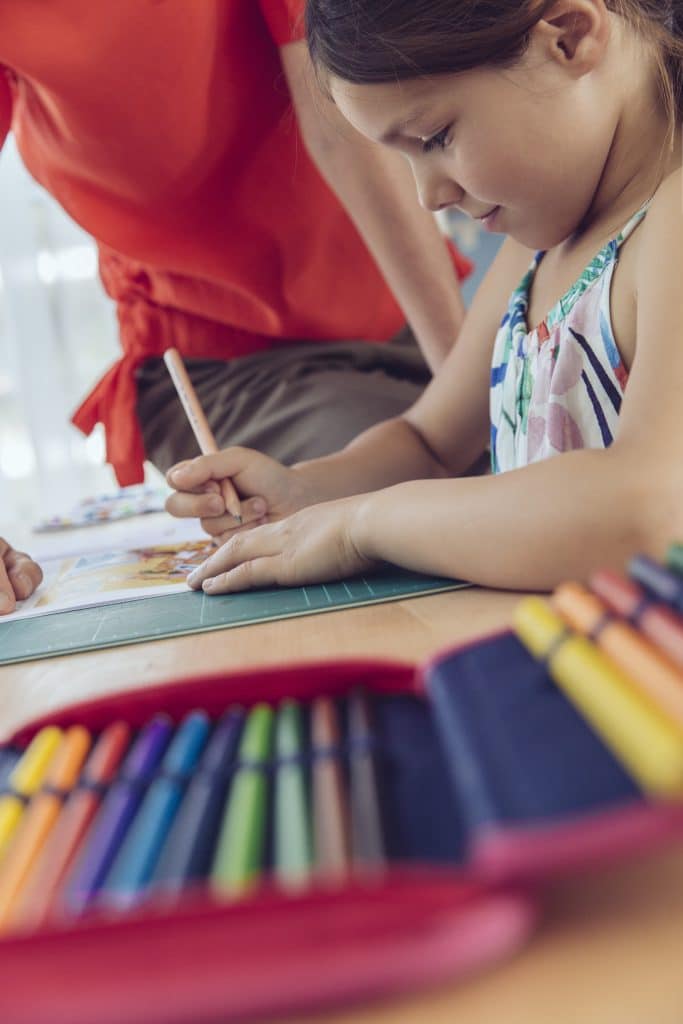
A younger kid colors a dinosaur without much curiosity about which dinosaur it is. An older or more advanced kid starts asking questions. What kind is that. Why does it have spikes. Could it really be that color.
That curiosity is a good match for pages with more going on, since there’s more to ask about. A detailed scene gives a kid plenty to wonder over while they work, instead of a single simple shape that doesn’t leave much room for questions.
9. They Get Frustrated by How “Easy” Something Looks
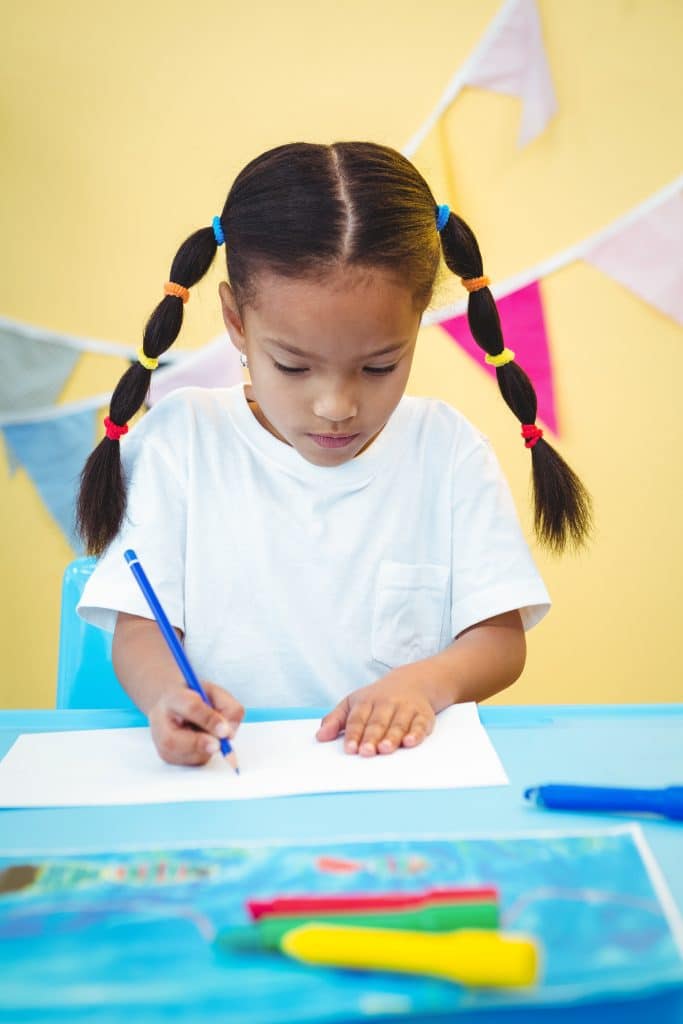
Some kids will actually say it out loud. “This is for babies.” Others just show it, plowing through a simple page without any real interest and tossing it aside the second it’s done.
Either way, that reaction is worth paying attention to. A kid who feels talked down to by an easy page usually responds well to something that actually makes them work a little, even if it means a few more mistakes along the way.
10. They Start Blending or Layering Colors on Their Own
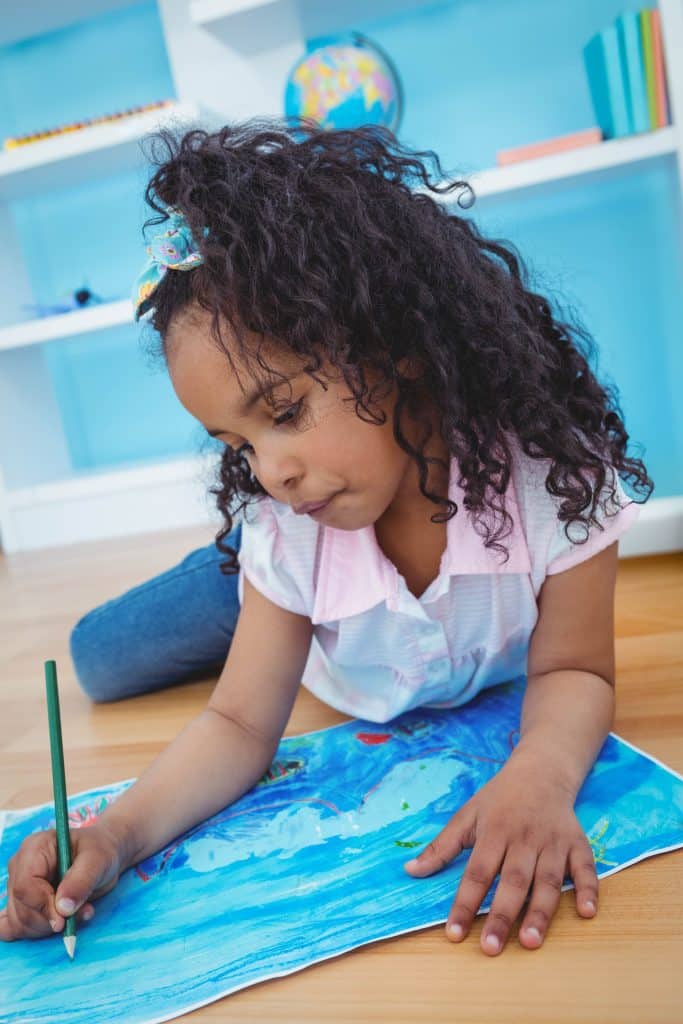
Shading isn’t something most young kids think to do unprompted. When a kid starts pressing harder in some spots, lighter in others, or layering one color over another without being shown how, that’s a sign their skills are ahead of the pages they’re using.
Keep Them Busy · Rainy-Day Fix
This kind of experimenting usually happens because a flat, single color fill isn’t satisfying anymore. More advanced pages with texture and depth give that instinct somewhere useful to go.
11. They Ask to Color Something “For Real,” Like an Adult Would
Sometimes it’s as direct as a kid asking to color something that looks like what mom or dad would color, or wanting a page that “isn’t a kid one.” That request usually means they’ve noticed the gap between what they’re capable of and what they’ve been handed.
It’s a good moment to bump things up. A kid who’s asking for something harder is a kid who already believes they can handle it, and pages with more intricate detail are usually the right answer.
Before you go — a few more to color your afternoon:
Kids don’t usually announce that they’ve outgrown something, they just start showing it in small ways, a finished page here, a frustrated sigh there, a request for the “real” colored pencils. The fading interest in easy pages, the sudden urge to shade instead of just fill in, or the flat out “this is boring” are all worth listening to.
Have you noticed any of these signs with your own kid, and did switching things up actually help?