11 Coloring Time Hacks That Buy Parents 20 Minutes of Peace
Every parent knows the drill. You need ten minutes to answer an email, start dinner, or just sit down without someone climbing on you, and coloring is the easiest babysitter in the house. But not all coloring time is created equal.
Hand a kid the wrong setup and you get five minutes of focus followed by a meltdown over a broken crayon. Hand them the right setup and you might actually get to finish a cup of coffee while it’s still hot.
These are eleven small tweaks that stretch ordinary coloring time into a real, reliable stretch of quiet. None of them require a Pinterest-level craft cabinet. Just a little bit of setup upfront so the activity holds their attention instead of falling apart in the first few minutes.
1. Pick Pages With Just Enough Detail
The biggest coloring time killer is a page that’s either too simple or too complicated. Too simple and it’s done in ninety seconds. Too complicated and a kid gives up before they even pick a color.
The sweet spot is a page with medium-sized sections, big enough for little hands to stay inside the lines, small enough that there’s a real sense of progress happening. Think a dinosaur with a few patterned scales, not a single giant blob, and not a page that looks like a stained glass window.
Print a few pages at different difficulty levels and let the kid choose. Ownership over the choice buys you extra buy-in on the activity itself.
More like this: 19 Quiet-Time Coloring Ideas Every Busy Parent Needs on Hand
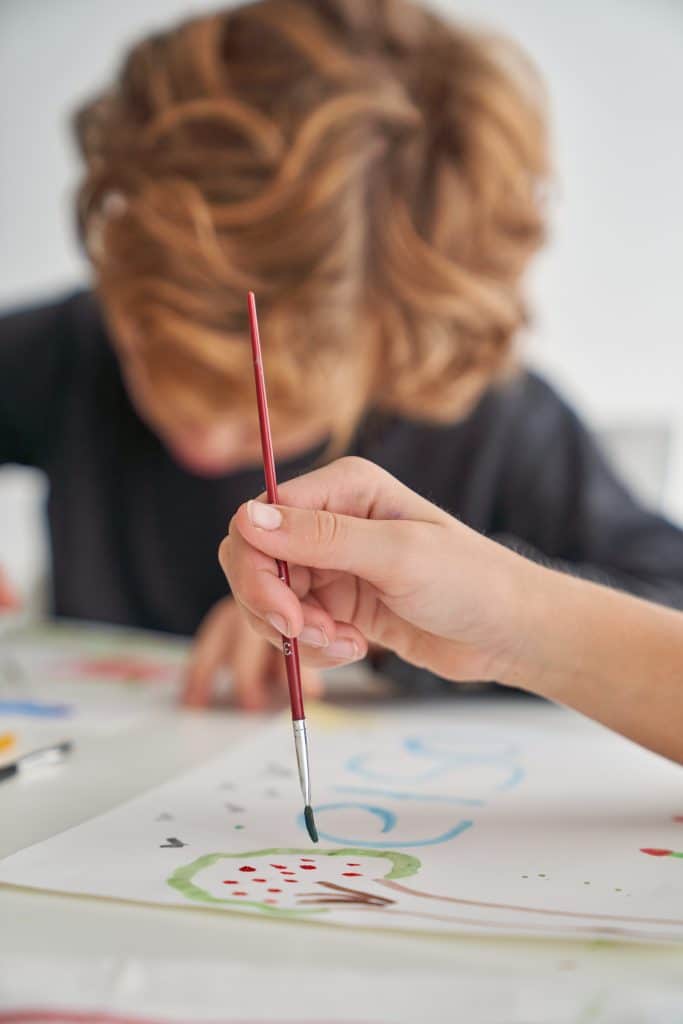
2. Set Up a “Coloring Station” They Don’t Have to Ask About
A lot of interruptions during coloring time aren’t about the coloring itself, they’re about hunting for supplies. Kid needs a different color, can’t find the sharpener, the good eraser disappeared again.
Keep a small bin or tray stocked and ready to go, sitting somewhere the kid can grab it without you. Crayons, a few markers, extra paper, and nothing else that needs digging through.
The less friction there is between “I want to color” and actually coloring, the longer the activity lasts once it starts. It also means fewer trips to your desk mid-email to ask where the purple went.
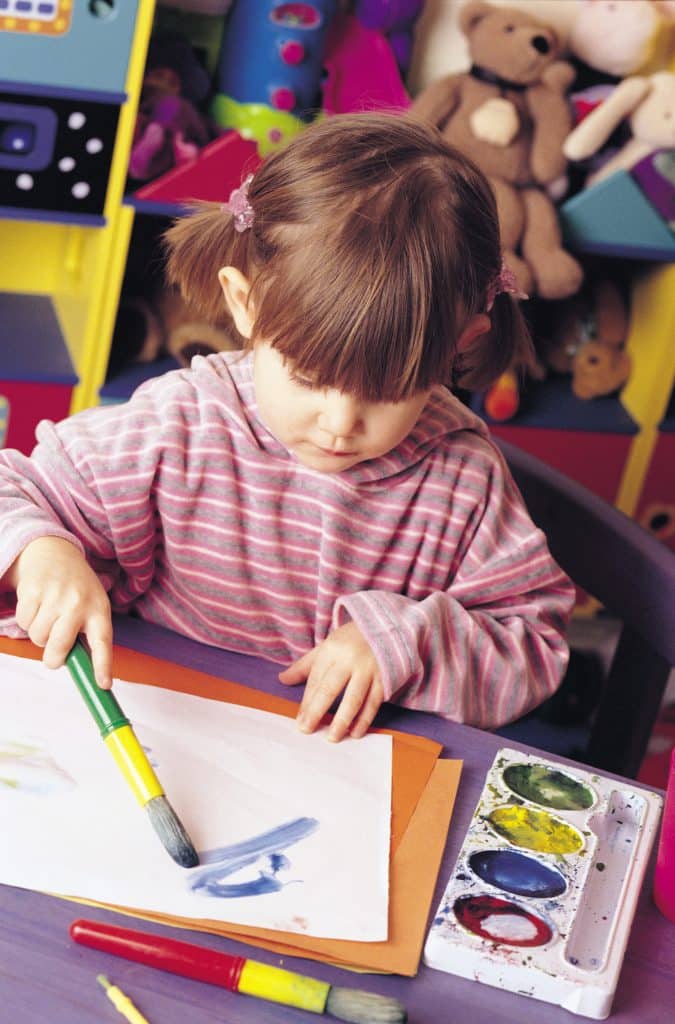
3. Use a Timer, But Don’t Announce It
Telling a kid “you have twenty minutes” can backfire. Some kids clock-watch and lose interest the second they know there’s an end point coming.
Instead, set a timer quietly for yourself, not for them. Let the coloring run its natural course and use the window as your actual measure of peace, rather than making the countdown part of the activity.
If a kid genuinely loses interest before the timer goes off, that’s fine too. Not every hack works every day, and that’s normal.

4. Rotate the Coloring Tools, Not Just the Pages
New pages feel exciting for about a week before they start to blur together. What actually resets interest is swapping the tool, not just the picture.
Markers one day, crayons the next, colored pencils after that, even something like watercolor pencils if you’ve got them lying around. The novelty of a different tool in hand makes an old page feel new again.
"This is the one I wish someone had told me my first year teaching."
15 Ways Coloring Activities Secretly Build Fine Motor Skills →This also spreads out mess types. A crayon day is a lot less cleanup than a marker day, so you can pick based on how much energy you have left for wiping down a table afterward.
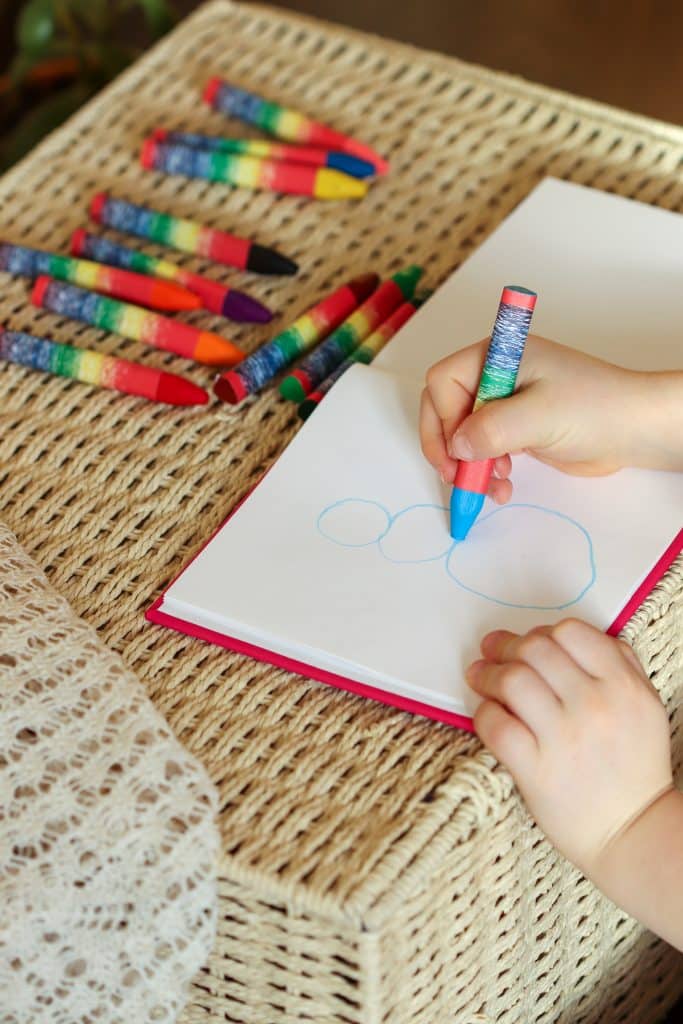
5. Give Them a “Job” Inside the Page
Kids color longer when there’s a small mission attached instead of just “color this.” Assign something specific: find every animal on the page and give each one a different color, or color everything that’s round in blue.
It turns a passive activity into something that feels like a task with an actual goal, which tends to hold attention longer than open-ended coloring alone.
It also gives you an easy follow-up question later (“Did you find all the round things?”) that makes the activity feel seen, without you having had to sit there the whole time.
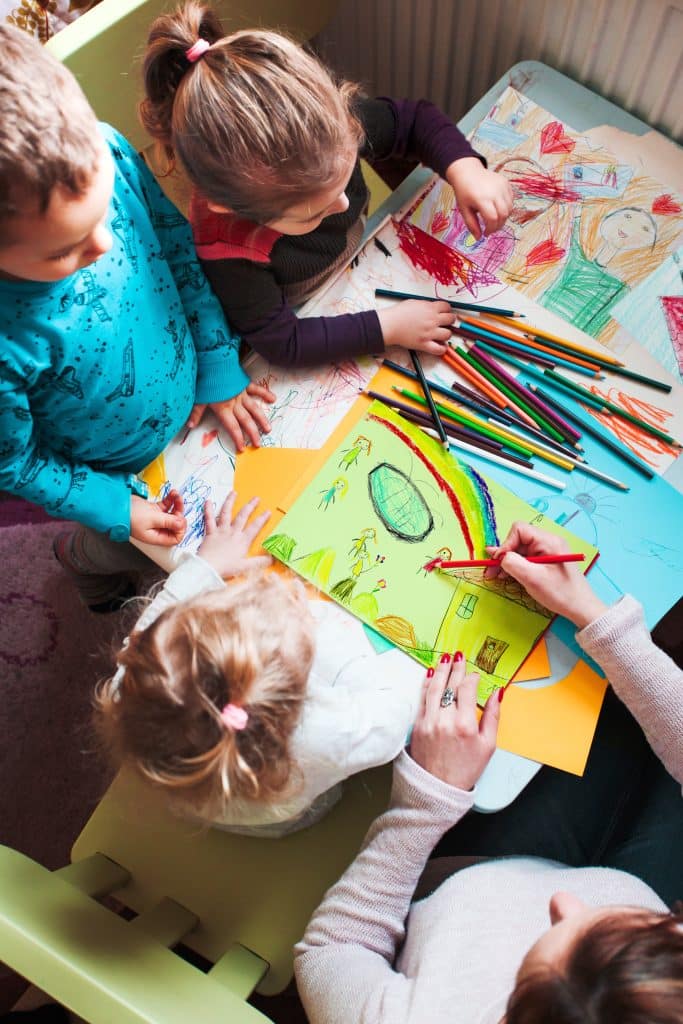
6. Pair It With Something Playing in the Background
Total silence isn’t always the friend of long, focused coloring time. A lot of kids settle in better with a low hum of something playing, an audiobook, a favorite playlist, even a familiar show playing quietly in the next room.
The trick is picking something familiar rather than something new. New content pulls their eyes off the page, familiar content just becomes wallpaper they’ve already memorized.
This one also doubles as a stall tactic for you. The background noise running out is often the natural cue that the activity is wrapping up, before anyone gets restless.
✎ Printable Picks
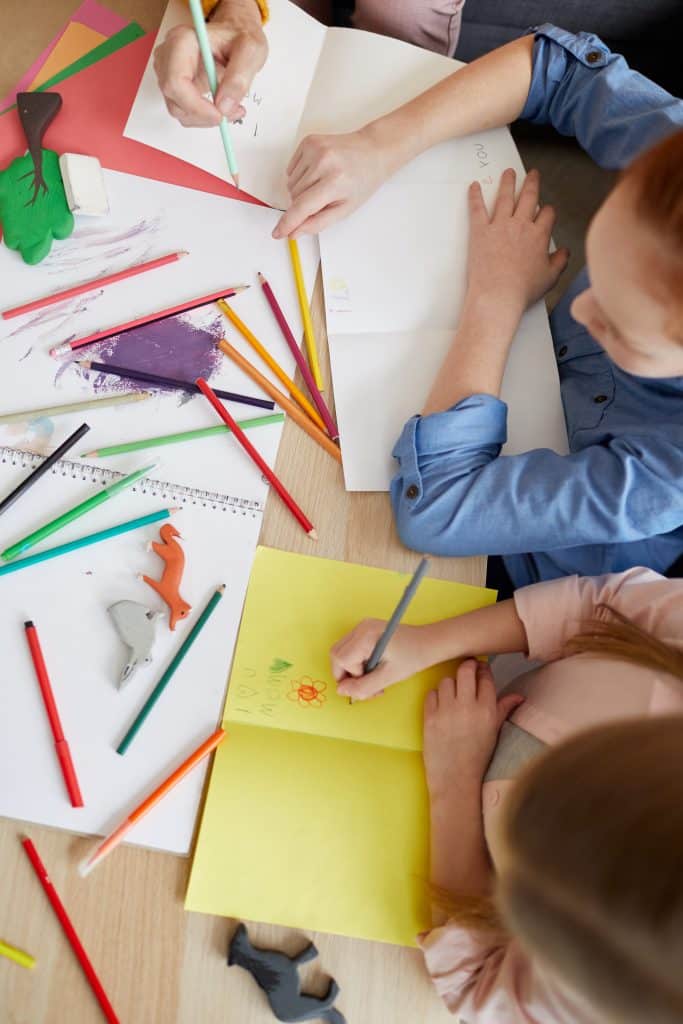
7. Let Them Color Somewhere Slightly Different Than Usual
The same kitchen table every single day gets old fast, for kids and adults both. Moving the activity to a blanket on the floor, a window seat, or even outside on a porch step can extend the time a kid stays engaged just because the setting feels like a small event.
It doesn’t need to be elaborate. A clipboard and a spot on the floor is enough of a change to feel different.
This works especially well on days when the usual spot is already claimed by laundry, mail, or whatever else has taken over the table.
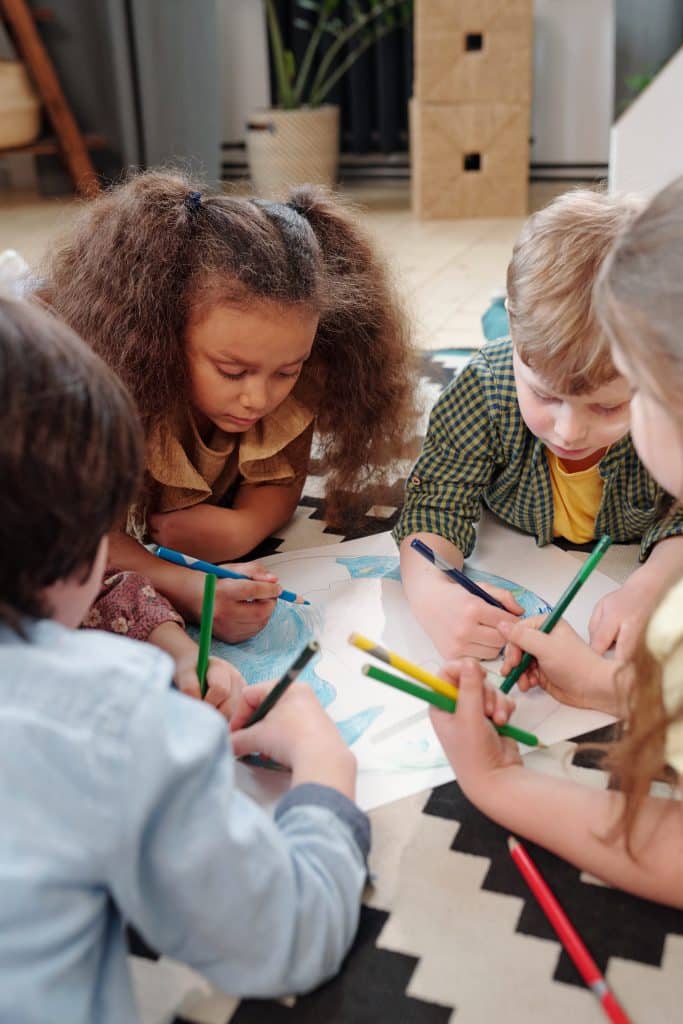
8. Use Pages Tied to Something They’re Already Into
Generic coloring pages are fine, but pages connected to a current obsession, a favorite animal, a character, a hobby they’ve been talking about, hold attention noticeably longer. The interest is already built in before the crayon touches paper.
This is where having a stocked folder of pages across different themes pays off, so you’re not stuck handing over the same flower page for the fifth day running.
Rotate what’s on offer based on whatever phase they’re currently in. Dinosaurs this month, space next month, whatever’s got their attention at the moment is going to buy you the most focused stretch of quiet.
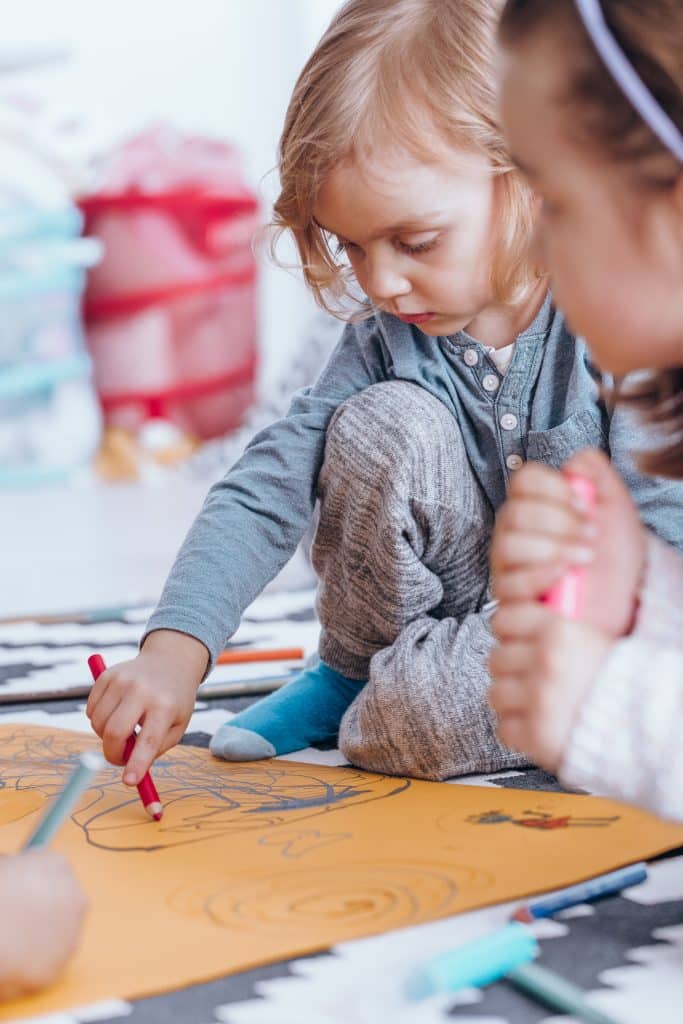
9. Set a Visible “Finished Pile”
Kids like seeing proof of what they’ve done. A designated spot, a clipboard, a magnet on the fridge, a stack on the counter, where finished pages go gives the activity a small sense of accomplishment instead of just ending and disappearing into a drawer.
This also nudges longer sessions, since finishing one page and adding it to the pile often leads straight into grabbing another rather than wandering off.
Keep Them Busy · Why It Matters
It’s a small thing, but a visible pile of finished work does more to keep momentum going than most people expect.
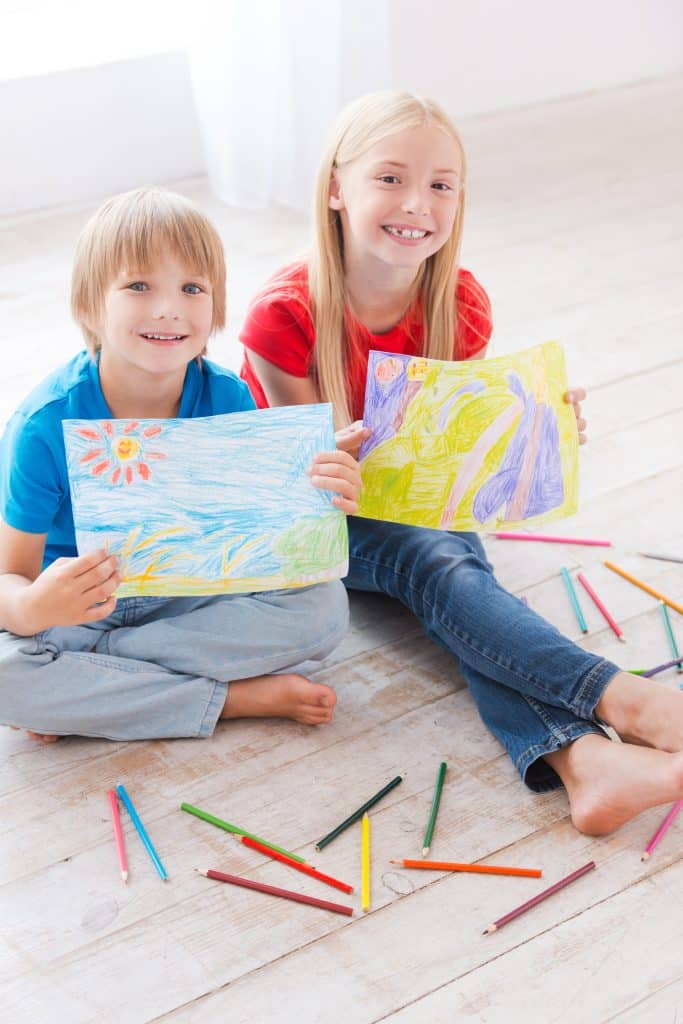
10. Don’t Correct the Coloring
The fastest way to shrink a good stretch of quiet time is to step in with “that’s not the right color for a dog” or “you went outside the lines.” Even gentle corrections tend to shift a kid’s focus from the activity itself to worrying about doing it right.
Let purple dogs and green suns happen without comment. The point of the twenty minutes isn’t a technically accurate picture, it’s the stretch of time itself.
Save any feedback for after, and keep it to genuine enthusiasm rather than critique. That’s what keeps them wanting to sit back down with a page tomorrow.
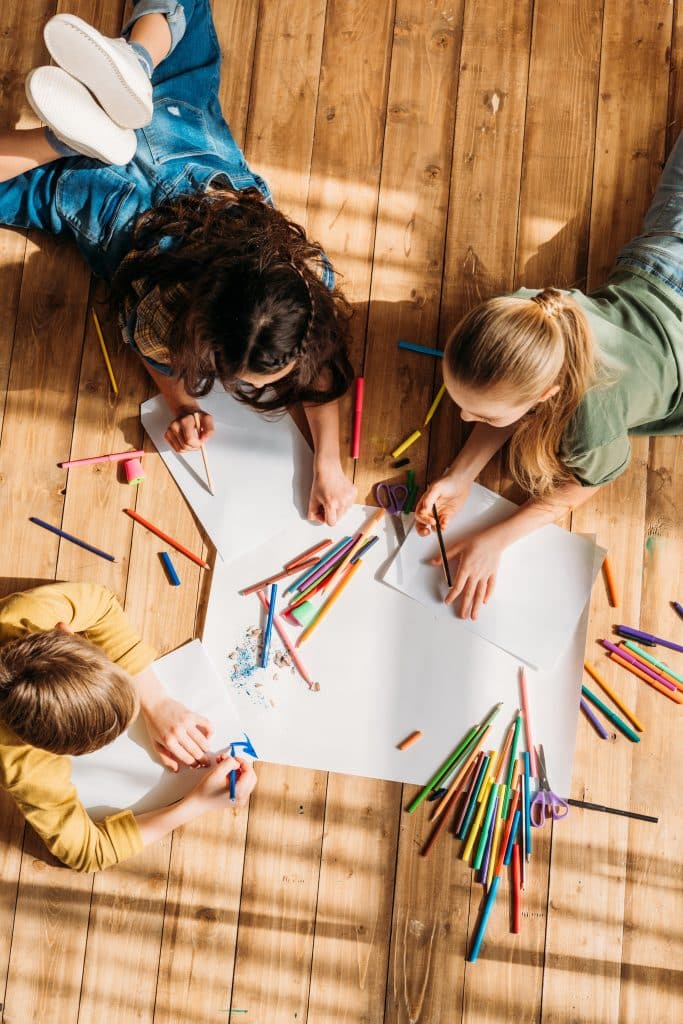
11. Have a Backup Page Ready Before They Ask
The moment a kid finishes and looks up for the next thing is exactly when coloring time usually ends and something louder begins. Having a second page already printed and sitting nearby closes that gap before it opens.
Before you go — a few more to color your afternoon:
It doesn’t need to be a new page necessarily, even a repeat of a favorite works, since some kids will happily color the same dinosaur three times if they liked it the first time.
That one extra page sitting ready, no searching, no printing, no “just a second,” is often the difference between fifteen minutes of peace and thirty.
Small setups like these won’t turn coloring into an hour of silence every time, but stacked together they reliably stretch the ordinary ten minutes into something closer to twenty or more. Which tricks does your house already run on, and which one are you adding to the routine tonight?