12 Genius Ways Parents Use Coloring Time Beyond Just Coloring
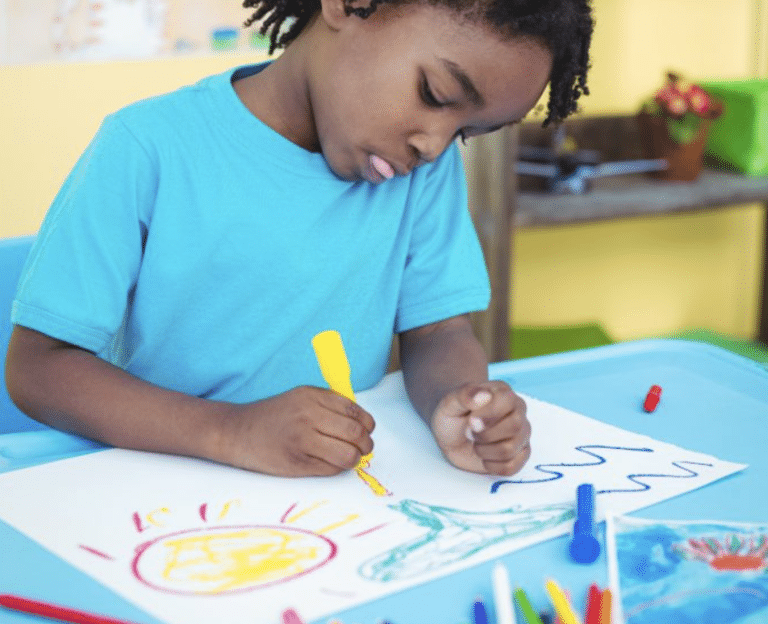
Coloring pages get handed out as a quiet-time fix, something to keep small hands busy while dinner cooks or a work call runs long. But plenty of parents have figured out that a crayon and a printed page can do a lot more than fill time.
It can teach patience, work through big feelings, sneak in some learning, and even become a little ritual the whole family looks forward to. Here are 12 ways parents are getting more out of coloring time than they probably expected to.
1. Turning Coloring Into a Calm-Down Tool
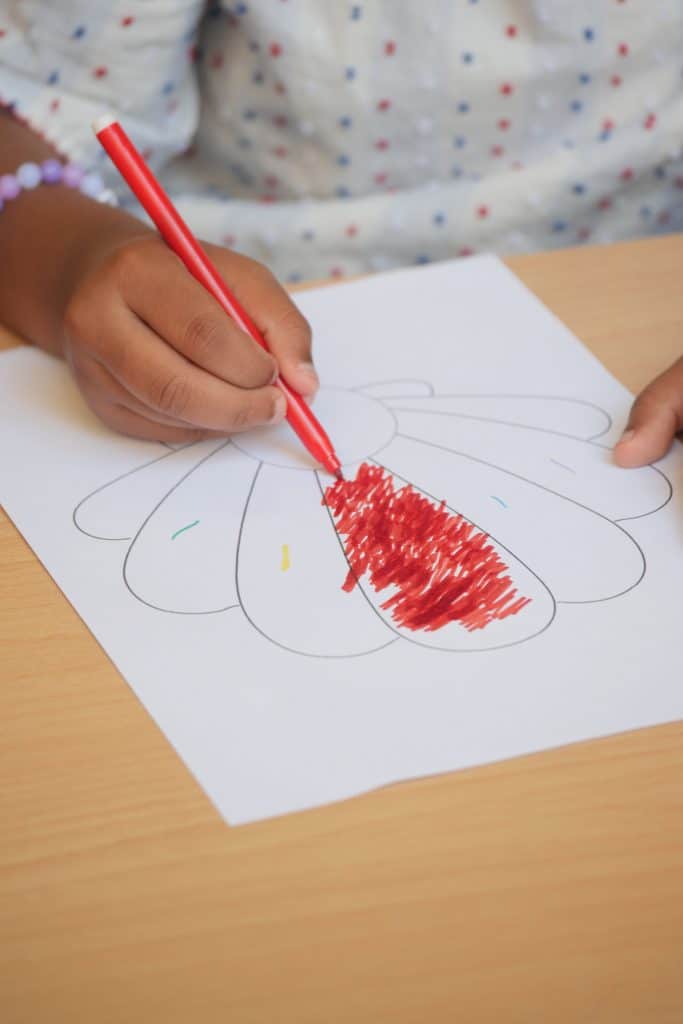
When a kid is overtired, overstimulated, or just plain melting down, a coloring page can work like a reset button. The repetitive motion of filling in a shape gives restless hands something steady to do, which naturally slows breathing and lowers the temperature on a tantrum. It’s not a magic fix, but it buys everyone a few quiet minutes to regroup.
Parents who keep a “calm down” folder of coloring pages nearby say it works better than trying to talk a kid down mid-meltdown. The page becomes the distraction, not the conversation. Once the crayon starts moving, the crisis usually starts fading too.
2. Using Coloring Pages as a Screen Time Trade
Plenty of households have a rule that screen time has to be earned, and coloring has become a popular currency. Finish a page, get twenty minutes of a show. It’s simple enough for a toddler to understand and it gives parents a built in reason to say “finish this first” without a fight.
More like this: 13 Coloring Activities That Make Long Car Rides Fly By
Over time, some kids start choosing the coloring page even when the screen isn’t the reward. The habit sticks around longer than the bargain that started it.
3. Practicing Fine Motor Skills Before Handwriting
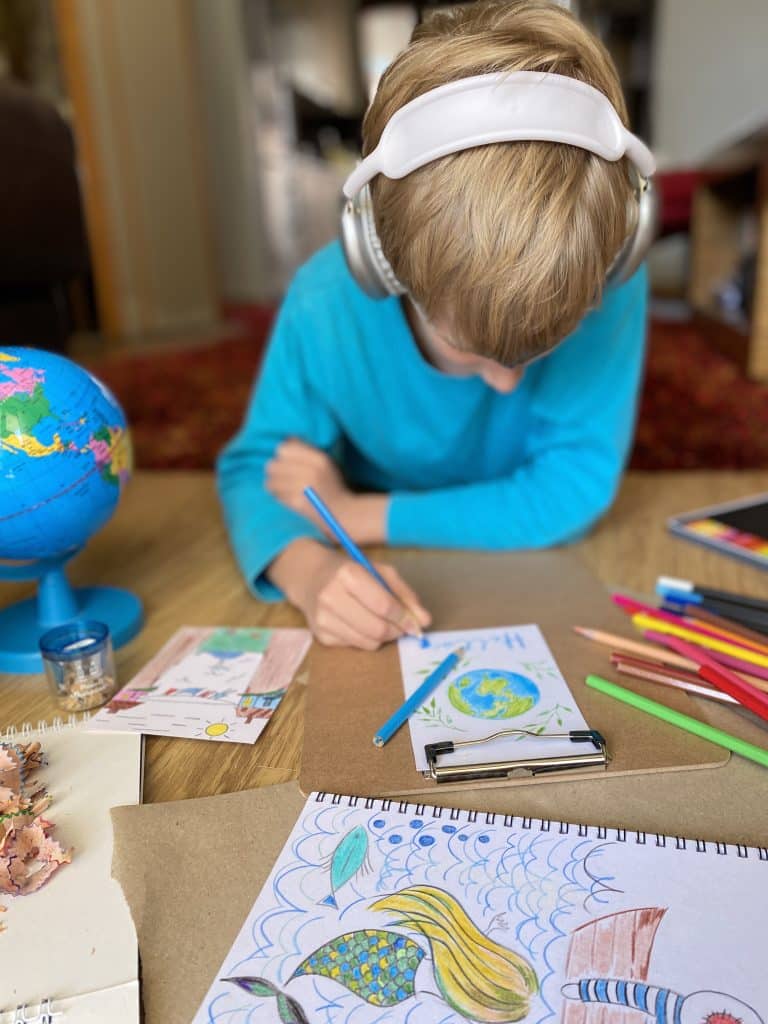
Occupational therapists have long pointed to coloring as a low-pressure way to build the hand strength and control kids need before they start writing letters. Staying inside the lines takes the same kind of grip and wrist control as holding a pencil steady on a worksheet.
Parents of preschoolers often lean on this one hard, treating coloring time as pre-writing practice in disguise. The kid just thinks they’re making a good picture. The parent knows it’s also laying the groundwork for kindergarten.
4. Teaching Colors, Shapes, and Following Directions
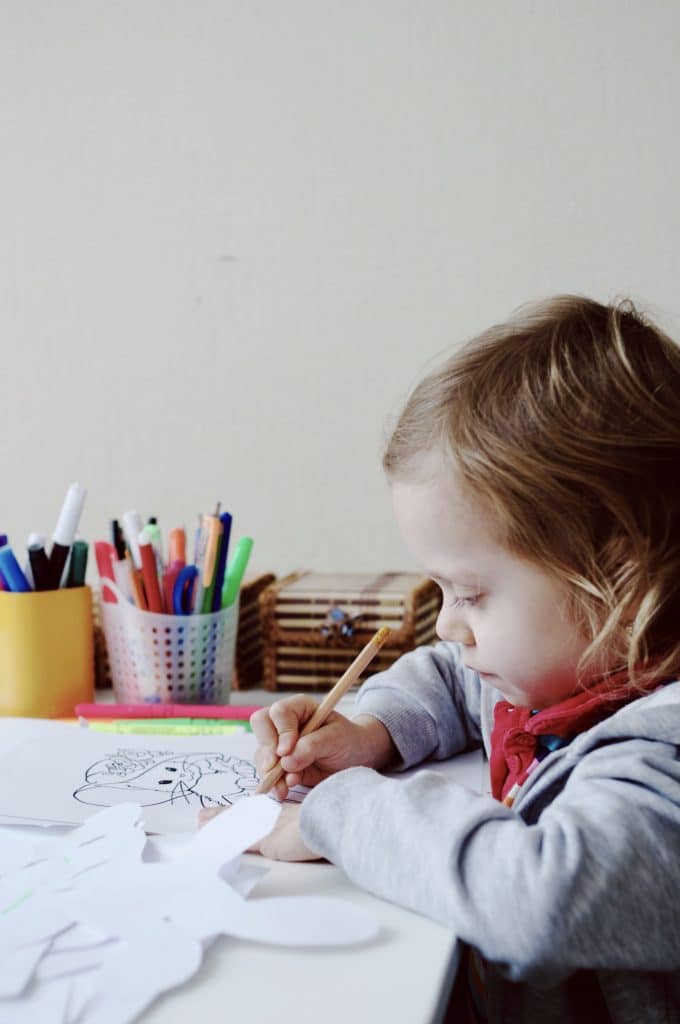
A coloring page with instructions (“color the sun yellow, the grass green”) turns into a listening exercise without ever feeling like one. It’s a gentle way to check whether a kid can follow a two-step direction, and it reinforces color names in a way that sticks better than flashcards.
Some parents narrate as they go, asking “what color should the sky be?” before handing over the crayon. It turns a solo activity into a back and forth conversation, which is where a lot of the real learning happens anyway.
5. Building a Bedtime Wind-Down Routine
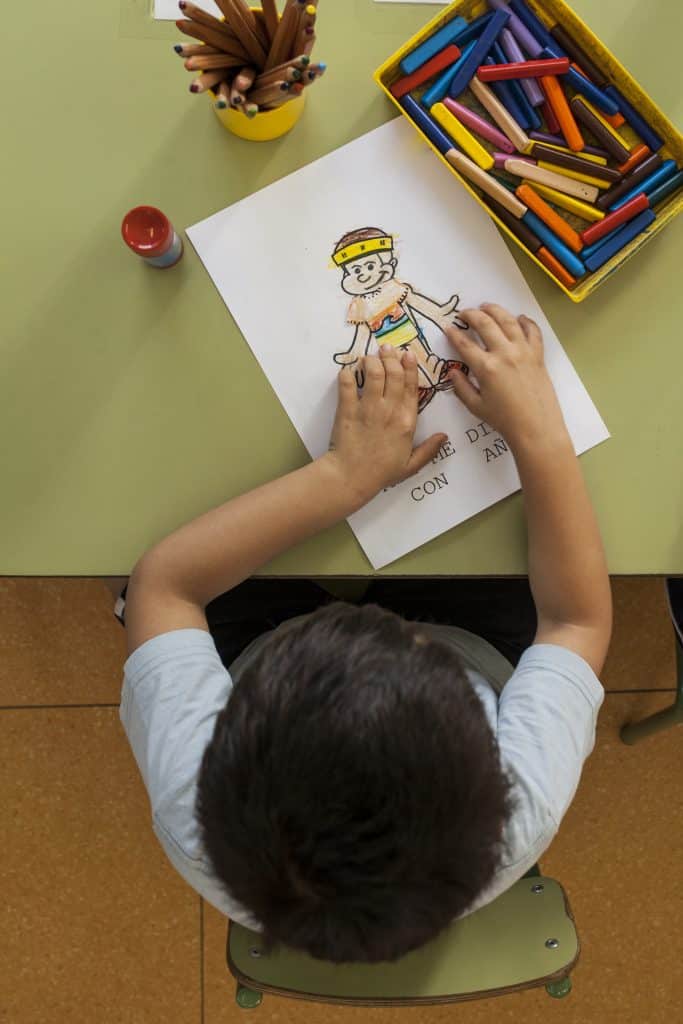
Screens before bed are a hard no in a lot of houses, but total stillness is a hard sell for a wound up kid. Coloring splits the difference. It’s quiet enough to signal that the day is winding down, but engaging enough that a kid will actually sit still for it.
"This is the one I wish someone had told me my first year teaching."
13 Ways Coloring Helps Grow a Child's Mind and Creativity →Parents who’ve built this into the nightly routine say it works because it’s predictable. Bath, pajamas, ten minutes of coloring, lights out. The page doesn’t have to get finished. It just has to slow things down enough for the next step to go smoothly.
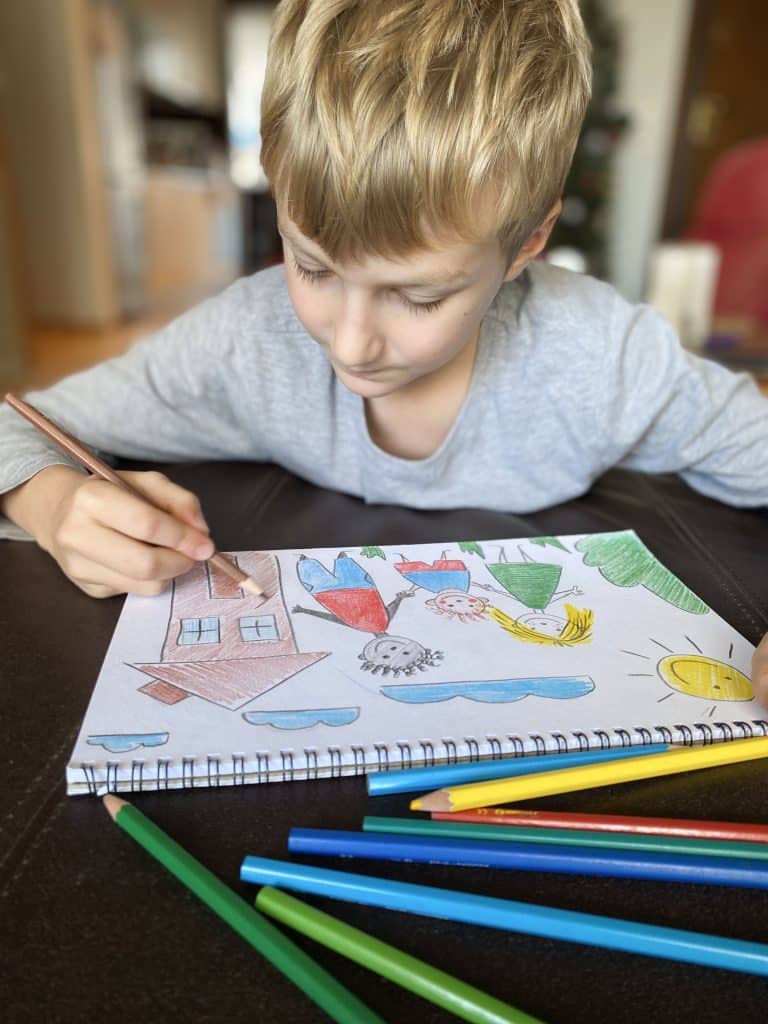
6. Turning Pages Into Conversation Starters About Feelings
Coloring pages built around characters or scenes, a kid comforting a friend, a monster looking sad, give parents an opening to ask questions that would feel too direct on their own. “Why do you think he’s coloring the monster blue?” can lead somewhere a straight up “how are you feeling” never does.
It works because the kid isn’t being asked to talk about themselves directly. They’re talking about the picture, which takes the pressure off. Some of the most honest answers show up sideways, while a crayon is still moving.
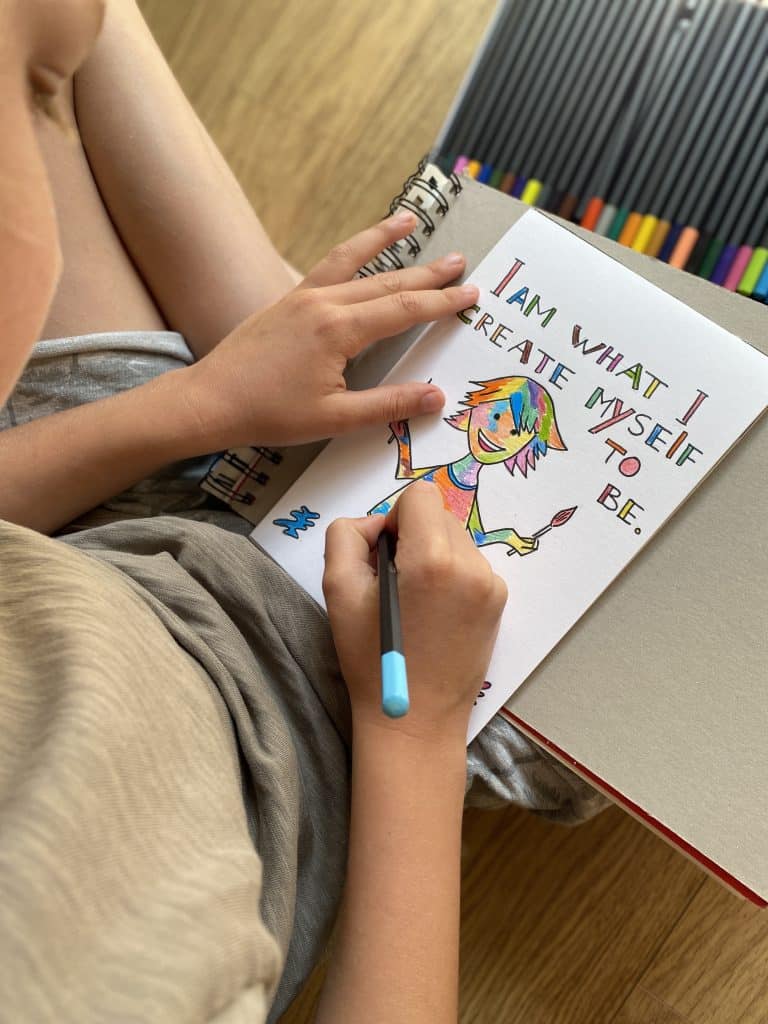
7. Making It a Sibling Bonding Activity Instead of a Fight Starter
Handing two kids the same coloring page and letting them split up the sections (one takes the sky, one takes the ground) turns a solo activity into a shared project. It sidesteps the usual sibling competition over who did it better, since the finished page belongs to both of them.
Parents who’ve tried this say it works best with a big, simple page rather than something with lots of tiny detail. Less room for one kid to feel like the other one wrecked their part.
✎ Printable Picks
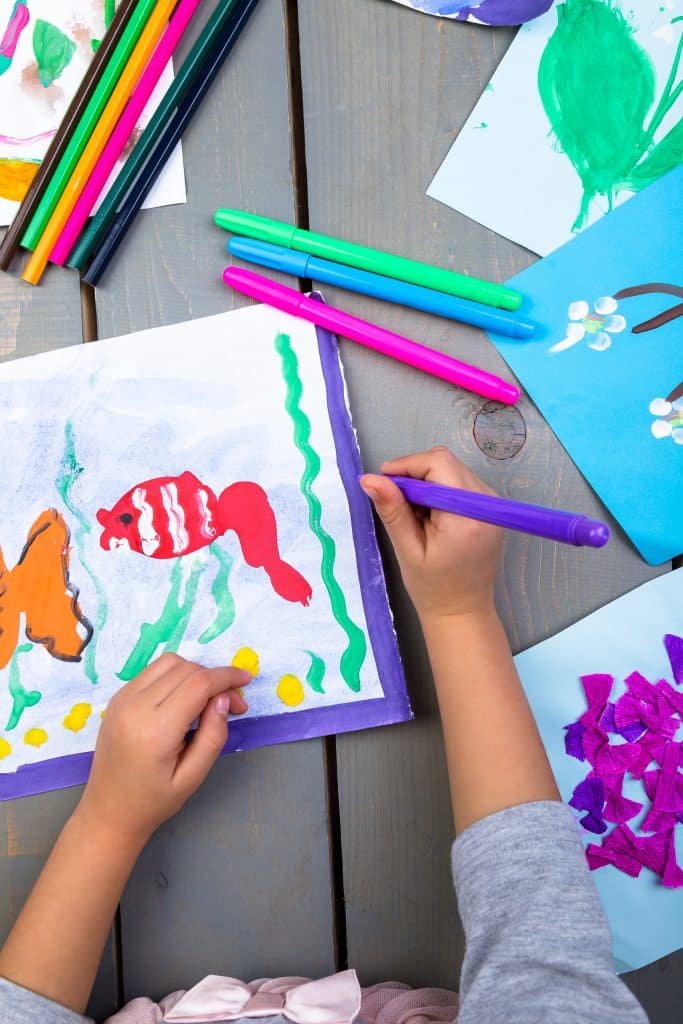
8. Using Themed Pages to Preview Big Life Changes
A coloring page showing a moving truck, a new sibling, or a first day of school can open the door to talking about a change before it happens. It gives a kid something concrete to look at while the parent explains what’s coming, instead of just describing it in the abstract.
This one shows up a lot around new baby announcements. A page of a big sibling holding a newborn does more to make the idea feel real than any conversation alone would.
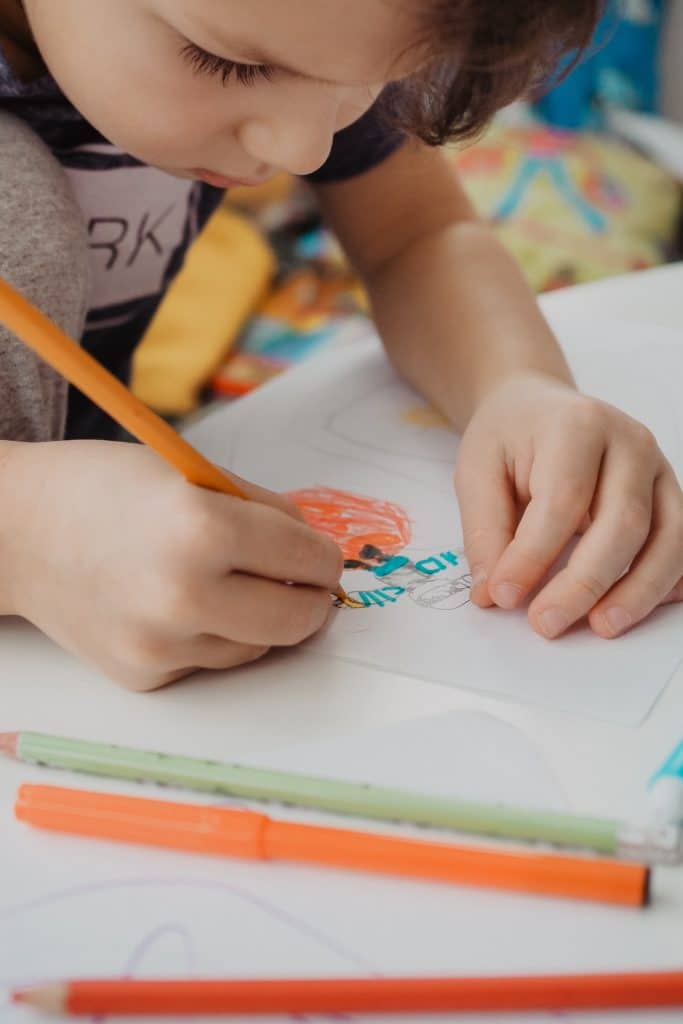
9. Turning Errands and Waiting Rooms Into Manageable Stretches
A few folded coloring pages and a small pack of crayons in a bag can turn a long wait at the doctor’s office from a disaster into a non-event. It’s quieter than a tablet, doesn’t need charging, and gives a kid something to focus on besides asking “how much longer” every ninety seconds.
Parents who keep an emergency coloring kit in the car or diaper bag treat it like insurance. They may not need it every outing, but the one time they forget it is always the outing that runs long.
10. Building a Reward Chart Around Finished Pages
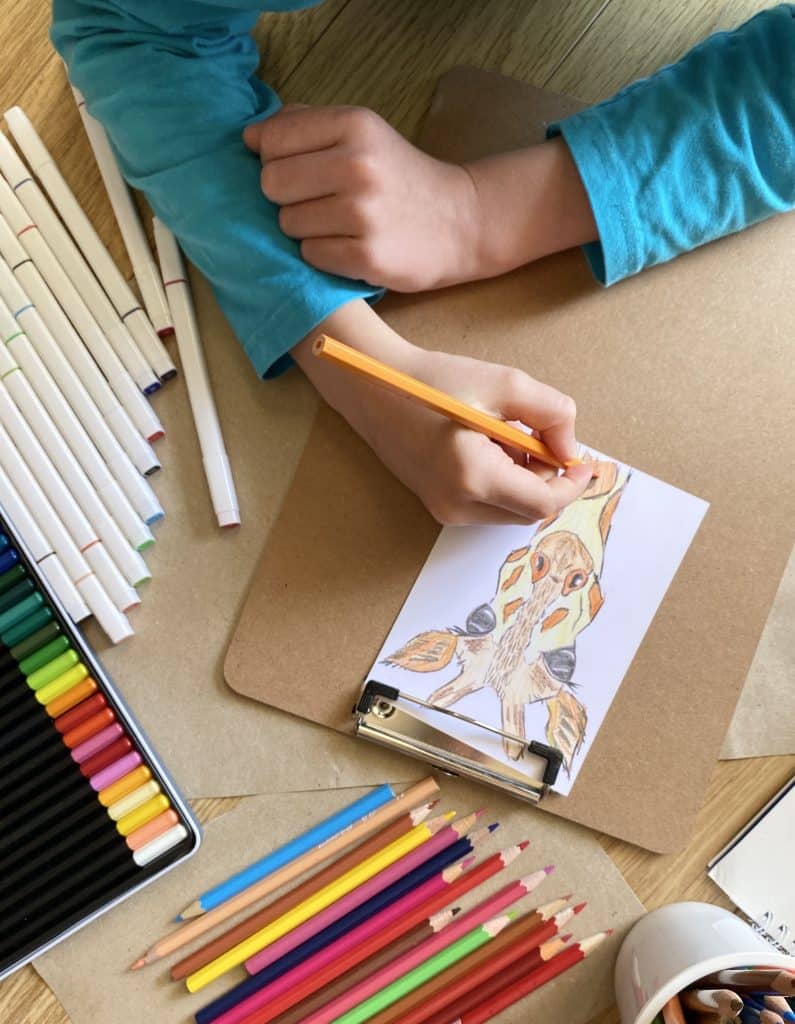
Some parents track chores or good behavior with a sticker chart, but a stack of coloring pages works the same way. Finish a page, it goes up on the fridge, and after a set number of pages there’s a small reward waiting. The visual pile of finished pages does a lot of the motivating on its own.
Kids get to watch their own progress build up in a way that feels less abstract than a checkmark. There’s something to actually look at.
Keep Them Busy · Why It Matters
11. Sneaking In Learning Through Themed Pages
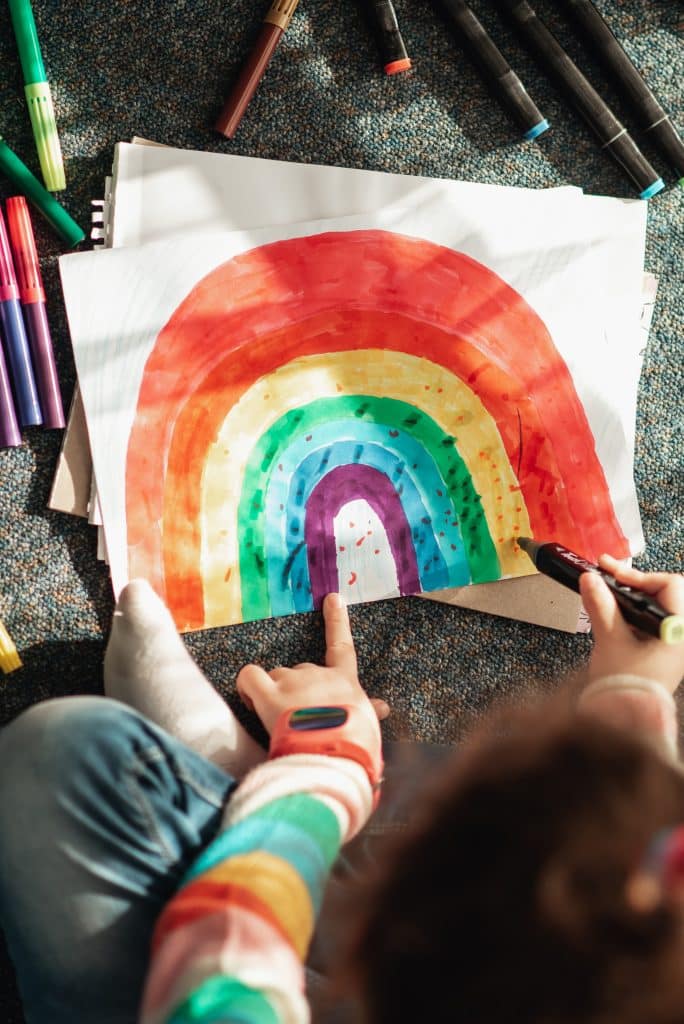
A coloring page shaped like a map, a solar system, or a set of dinosaurs can slide educational content in without it feeling like a lesson. Kids ask questions about what they’re coloring (“why is that planet red?”) because they’re already invested in getting it right.
Parents who lean into this one tend to time the pages with whatever their kid is already curious about. A dinosaur phase gets dinosaur pages. A space phase gets planets. The interest is already there, the page just gives it somewhere to land.
12. Making It a Rainy Day Family Activity for Everyone, Not Just the Kids
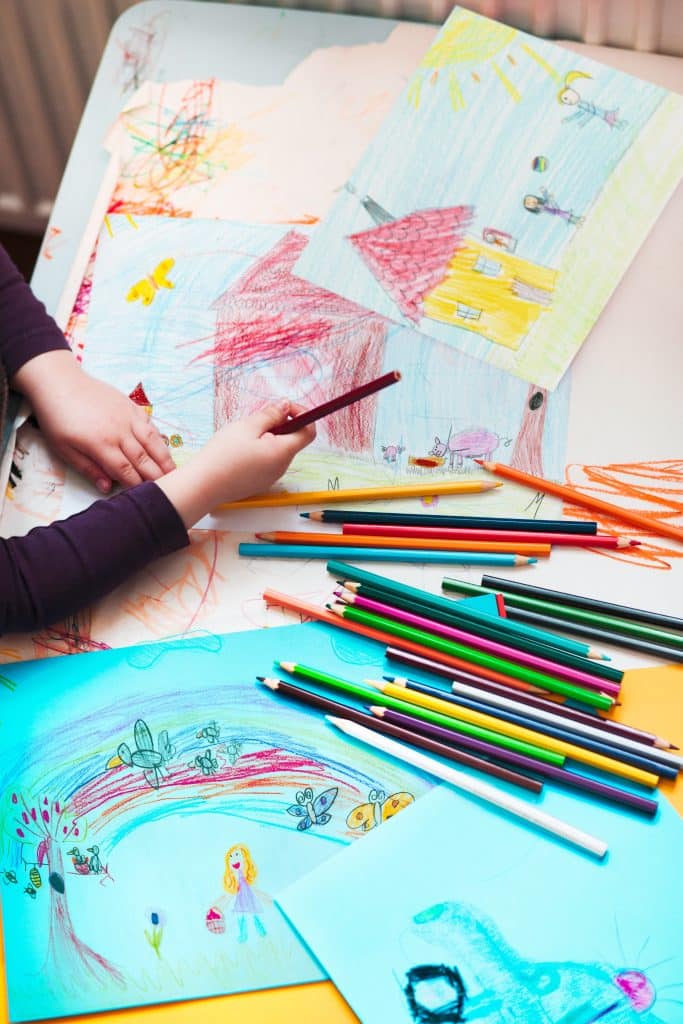
Plenty of parents admit the coloring pages don’t stay just for the kids. A big page spread out on the kitchen table with everyone taking a section has become a real rainy day activity in some houses, no phones, no agenda, just filling in a picture together.
It sounds small, but it’s one of the few low-stakes activities where a five year old and an adult are doing the exact same task at the exact same table. Nobody’s better at it. Nobody’s in charge. That’s rare enough on its own to make it worth doing again.
Before you go — a few more to color your afternoon:
Coloring time ends up doing a lot more work than it gets credit for. It slows kids down, opens up conversations, fills the gaps in a car ride or waiting room, and occasionally pulls the whole family into the same activity at once. The emergency waiting room kit, the reward chart on the fridge, or the sibling split-page trick might be worth stealing for your own house.
What’s the one coloring trick that’s saved you on a long car ride or a rough bedtime?