How to Draw a Spider Web – Drawing Turorials and Coloring Tips
Have you ever wondered how to draw a spider web with intricate details and lifelike appearance? Whether you’re a beginner or an experienced artist, exploring the art of drawing spider webs opens up a world of creativity and inspiration. From step-by-step tutorials to art techniques and materials, this article will guide you through the process of creating stunning spider web drawings that will captivate viewers.
So, are you ready to embark on a journey of artistic exploration and learn the secrets of drawing captivating spider webs? Let’s dive in!
Key Takeaways:
- Learn the step-by-step process of drawing spider webs with our detailed tutorials.
- Discover various art techniques and materials that can enhance the visual impact of your spider web drawings.
- Get tips and guidance for drawing spider webs as a beginner.
- Explore different painting techniques to add color and dimension to your spider web artwork.
- Unleash your creativity with our spider web design tutorial and find inspiration from other artists’ work.
Spider Web Drawing Tutorial – Step by Step Instructions
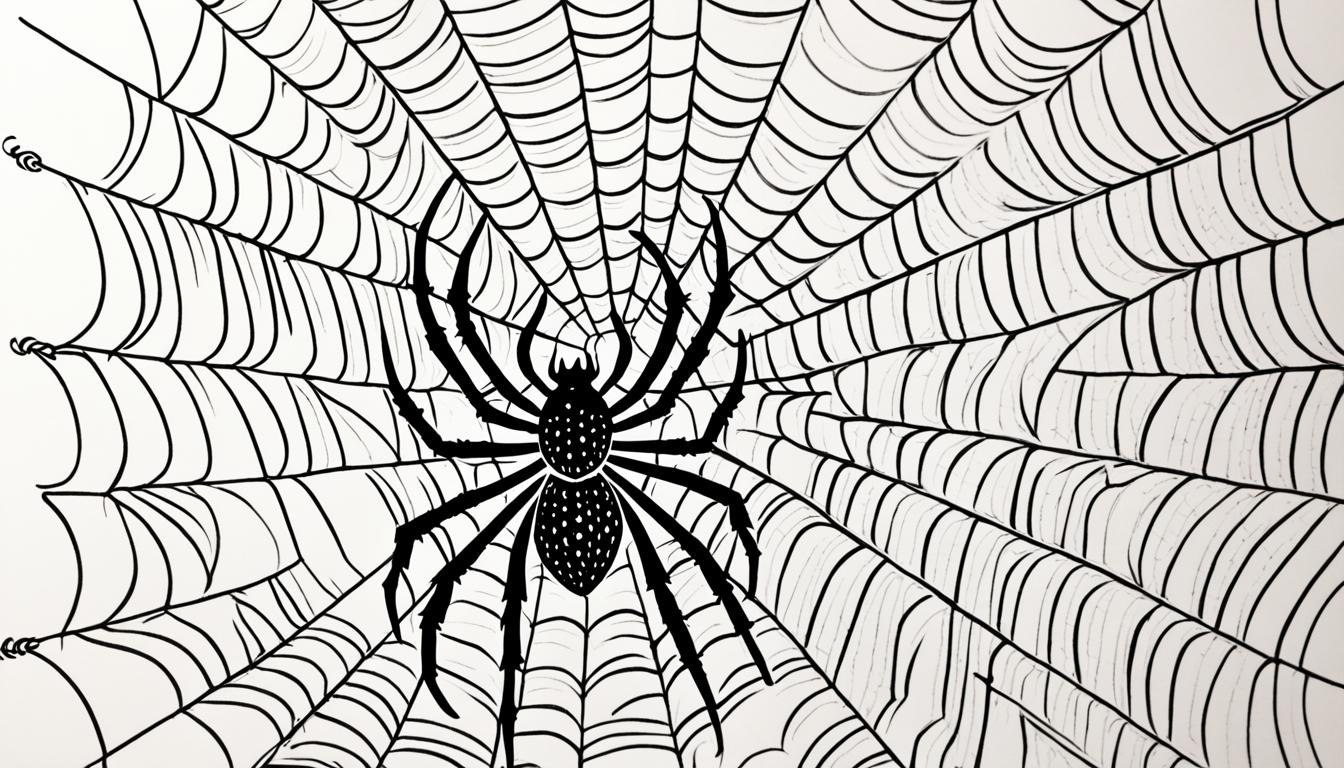
To create a stunning spider web drawing, follow these step-by-step instructions. Whether you’re a beginner or an experienced artist, this tutorial will guide you through the process of drawing both a regular spider web and a spider web in a corner.
Instructions:
- Begin by drawing a cross in the center of your paper. This will serve as the starting point for your spider web.
- Next, draw diagonal lines that intersect at the center of the cross. This will form the framework of the web.
- Now, choose a starting point on one of the diagonal lines near the intersection. Draw a small arch that connects to the adjacent diagonal line. Repeat this process, gradually adding more arches as you move away from the center, following the framework of the web.
- Continue weaving the web by connecting small arches from one diagonal line to another, moving outward in a radial pattern. Remember to slightly vary the size and shape of the arches to create a realistic web.
- Once you’ve reached the outer edges of the web, repeat the same weaving process from the opposite direction to complete the spider web.
| Materials Needed: | Techniques: |
|---|---|
|
|
Feel free to experiment with different colors and shading techniques to add depth and dimension to your spider web drawing. Don’t be afraid to unleash your creativity and make each web unique.
Now that you have mastered the art of drawing a spider web, let’s explore different techniques and materials to enhance your spider web artwork in the next section.
Spider Web Art Techniques and Materials
To enhance the artistic quality of a spider web drawing, it is important to explore different techniques and materials. By experimenting with various elements, you can bring your spider web to life and make it visually captivating. Here are some techniques and materials that you can use to create stunning spider web artwork:
1. Metallic Markers:
Adding metallic markers to your spider web drawing can create depth and vibrancy. The metallic sheen of the markers adds a touch of elegance, especially when applied to black paper. It enhances the overall effect of the web, making it stand out. Experiment with different shades to capture the desired mood and ambiance.
2. Colors and Shading Techniques:
Playing with colors and shading techniques can make your spider web appear more realistic and captivating. Consider using different shades of the same color to create depth and dimension. You can also experiment with complementary colors or contrasting hues to make the web visually striking. Shading techniques, such as cross-hatching or stippling, can add texture and bring the web to life.
3. High-Quality Materials:
Using high-quality materials is crucial to achieving maximum contrast and visual impact in your spider web drawing. Opt for black card stock paper, which provides a bold backdrop for the web. The deep black color creates a stark contrast and allows the metallic markers or other colors to pop. Moreover, using quality materials ensures longevity and durability of your artwork.
| Technique/Material | Description |
|---|---|
| Metallic Markers | Produce depth and vibrancy |
| Colors and Shading Techniques | Enhance realism and visual appeal |
| High-Quality Materials | Achieve maximum contrast and durability |
By exploring spider web art techniques and utilizing the right materials, you can elevate your drawing and create visually stunning spider web artwork. Let your creativity flourish and experiment with different colors, shading techniques, and materials to bring your spider web to life.

Drawing a Spider Web for Beginners
Are you a beginner looking to try your hand at drawing a spider web? You’re in the right place! Drawing a spider web can be a fun and accessible activity for aspiring artists of all ages. By following simple patterns and guidelines, you can create impressive spider web drawings that will amaze your family and friends. Here’s a step-by-step guide to help you get started.
Gather Your Materials
Before you begin, make sure you have the necessary materials on hand. All you need is a blank sheet of paper, a pencil, and an eraser. You can also experiment with different materials such as markers or colored pencils if you want to add some color to your spider web.
Start with a Basic Framework
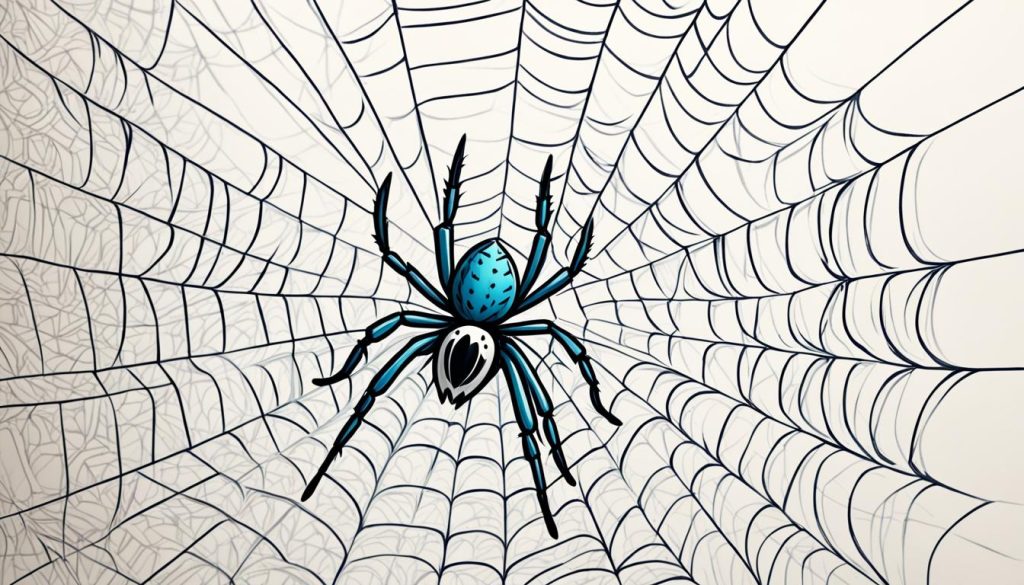
To create the structure of the spider web, start by drawing a cross in the center of your paper. This will serve as the anchor point for the web. Next, draw diagonal lines that intersect the cross to form the framework of the web. The number of lines and their spacing will depend on the size of the web you want to draw.
Add the Weaving
Now it’s time to start weaving the web. Begin by drawing small arches or curves that connect the lines of the framework. These arches should gradually get bigger and wider as you move outward from the center of the web. Be sure to leave some gaps between the lines to create a realistic effect. Don’t worry about making the lines perfectly straight or symmetrical – spider webs in nature are often imperfect and asymmetrical.
Practice and Experiment
Don’t be discouraged if your first spider web doesn’t turn out exactly as you imagined. Drawing takes practice, and the more you draw, the better you’ll become. Take your time to experiment with different techniques and styles. You can try adding shading or using different colors to make your spider web more unique and visually appealing.
“Every artist was first an amateur.” – Ralph Waldo Emerson
Find Inspiration
If you’re unsure where to start, take a look at some spider web drawings created by other artists for inspiration. Explore online galleries or art websites to see how different artists interpret spider webs. Pay attention to the details, the use of lines and shapes, and the overall composition of the artwork. This can help spark your creativity and give you new ideas to try in your own drawings.
Spider Web Painting Tips
For those interested in adding color to their spider web drawings, painting can be a great option. Consider using watercolor or acrylic paints to bring life to the web. Start with light washes of color and gradually build up layers to create depth and dimension. Pay attention to the light source and incorporate highlights and shadows for a more realistic effect. Experiment with different brush techniques and blending to achieve the desired result.
| Spider Web Painting Tips | |
|---|---|
| Painting Technique | Description |
| Light Washes | Start with diluted paint to create a translucent base layer. This will allow you to gradually build up the colors without overwhelming the drawing. |
| Layering | Apply multiple layers of paint to create depth. Start with lighter colors and work your way towards darker shades for a more realistic and three-dimensional look. |
| Highlights and Shadows | Observe the light source in your drawing and add highlights and shadows accordingly. This will give your spider web a more dynamic and realistic appearance. |
| Brush Techniques | Experiment with different brush strokes and techniques to create interesting textures and patterns in your spider web. Practice dry brushing, stippling, and glazing for unique effects. |
| Blending | Use a blending brush or a clean, wet brush to blend colors together seamlessly. This will create smooth transitions and soften harsh edges in your painting. |
Spider Web Design Tutorial
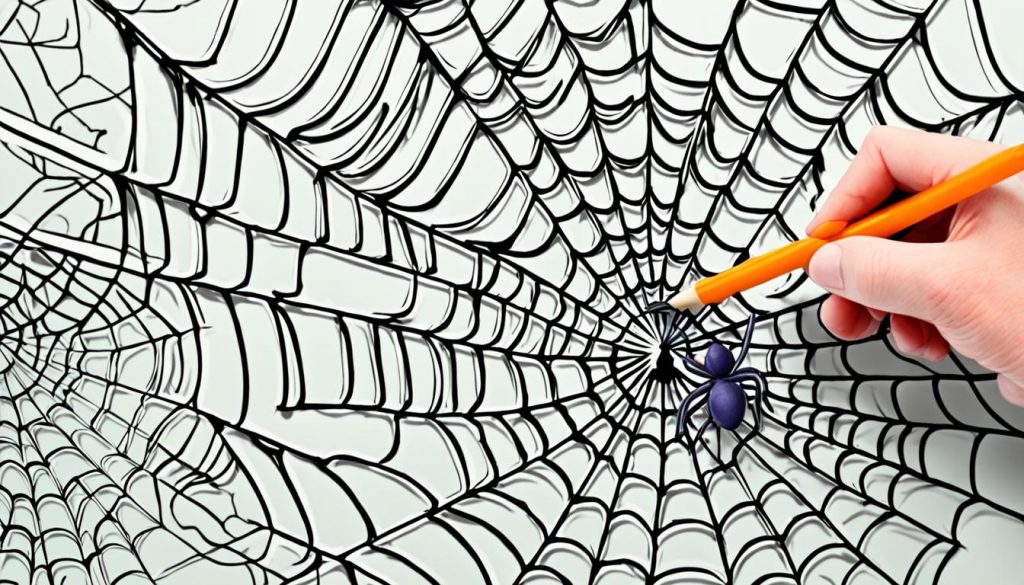
Creating a unique and intricate spider web design can be a rewarding artistic endeavor. Instead of sticking to the traditional spider web structure, you can explore different patterns, shapes, and design concepts to make your spider web truly stand out. Here are some tips to help you create a captivating spider web design:
1. Sketch Out Alternative Patterns and Shapes
Break away from the conventional spider web structure by experimenting with different patterns and shapes. Consider incorporating elements of symmetry and asymmetry to add visual interest to your design. Play with varying line thickness to create depth and texture. Let your imagination guide you as you sketch out unconventional spider web designs.
2. Add Visual Interest with Design Elements
To make your spider web design more captivating, consider incorporating additional design elements. You can experiment with incorporating symbols or motifs that have personal meaning or resonate with your artistic vision. Another approach is to add a focal point within the spider web, such as a delicate spider or a vibrant gemstone, to create a visually striking center.
3. Explore Colors and Textures
Don’t be afraid to play with colors and textures in your spider web design. Consider using vibrant hues that contrast with the traditional black and white color scheme to create a bold and eye-catching effect. You can also experiment with different textures by incorporating mixed media elements such as metallic paints, glitter, or textured paper to enhance the overall look and feel of your spider web.
“Creating a unique spider web design allows you to let your creativity shine and showcase your individual style as an artist.” – Emily Rodriguez, Professional Artist
By following these tips and infusing your design with your personal artistic style, you can create a spider web design that is truly one of a kind. Embrace experimentation and don’t be afraid to push the boundaries of traditional spider web aesthetics.
Continue reading to discover more spider web art inspiration and learn about recommended drawing and coloring supplies to enhance your spider web designs.
Spider Web Art Inspiration
Looking for inspiration for your spider web art? Explore different styles and interpretations of spider webs created by other artists. Browse through art galleries, online platforms, and social media to discover unique and innovative spider web designs. Take note of different techniques, color palettes, and compositions that resonate with your artistic vision. Use these sources of inspiration to fuel your creativity and develop your own artistic style.
| Source | Description |
|---|---|
| Art Gallery Website | Visit websites of renowned art galleries to view spider web artwork from acclaimed artists. Analyze their techniques, brush strokes, and use of colors to gain insights into their creative process. |
| Online Art Communities | Join online art communities and forums to connect with artists from around the world. Share and discuss spider web art, and seek feedback and inspiration from fellow artists. |
| Social Media Platforms | Follow art pages and hashtags related to spider web art on social media platforms like Instagram and Pinterest. Discover a wide range of styles and approaches that can spark your imagination. |
Take inspiration from various artists by observing their techniques, color choices, and composition. Experiment with different tools and materials to create your own unique spider web art.
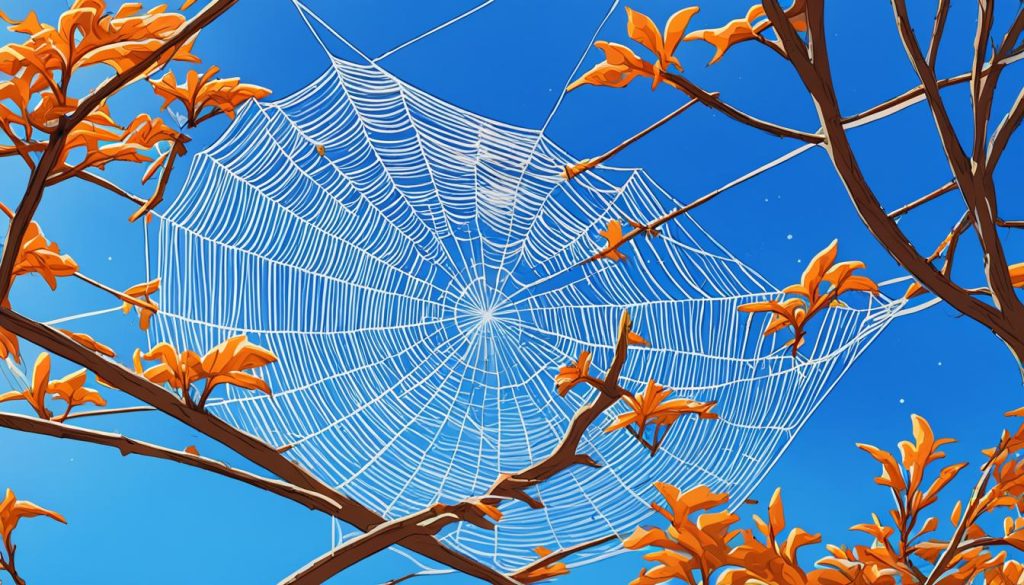
Remember, each artist has their own style, so don’t be afraid to take risks and explore new ideas. Let the art of others inspire you to create something truly amazing!
Tips for Drawing a Spider
Adding a spider to your spider web drawing can bring the composition to life. Follow these tips to create a lifelike spider:
- Start with the head: Begin by drawing a small circle for the spider’s head.
- Draw the body: Next, draw a slightly larger circle below the head to represent the spider’s body.
- Add the legs: Use straight lines with curved ends to create the spider’s legs. Pay attention to the proportions and spacing to ensure a realistic look.
- Experiment with poses: Get creative with different poses and expressions to add character and personality to your spider drawing.
By incorporating a spider into your spider web artwork, you can enhance the overall composition and make your drawing even more captivating.

Spider Drawing Inspiration:
“A spider alone in its web is an incredible piece of artistry.” – Terri Joseph
Now that you’ve learned how to draw a spider web, it’s time to complete your drawing by adding a spider. Let your creativity soar as you experiment with different spider poses and expressions. Remember, practice makes perfect, so keep honing your drawing skills and exploring new techniques to create stunning spider web artwork.
Recommended Drawing and Coloring Supplies
Using the right drawing and coloring supplies can greatly enhance the quality of your spider web artwork. Here are some recommended tools and materials:
Crayola Metallic Markers
For adding vibrant and eye-catching colors to your drawings, Crayola Metallic Markers are an excellent choice. These markers provide a smooth and shiny finish, making your spider web designs stand out.
Sharpie Metallic Marker
Another great option for metallic colors is the Sharpie Metallic Marker. With its fine tip and quick-drying ink, you can achieve precise and bold lines that give your spider webs a striking appearance.
Black Card Stock Paper
When drawing spider webs, black card stock paper is the perfect canvas. Its dark background creates a bold contrast with the metallic markers, enhancing the overall impact of your artwork.
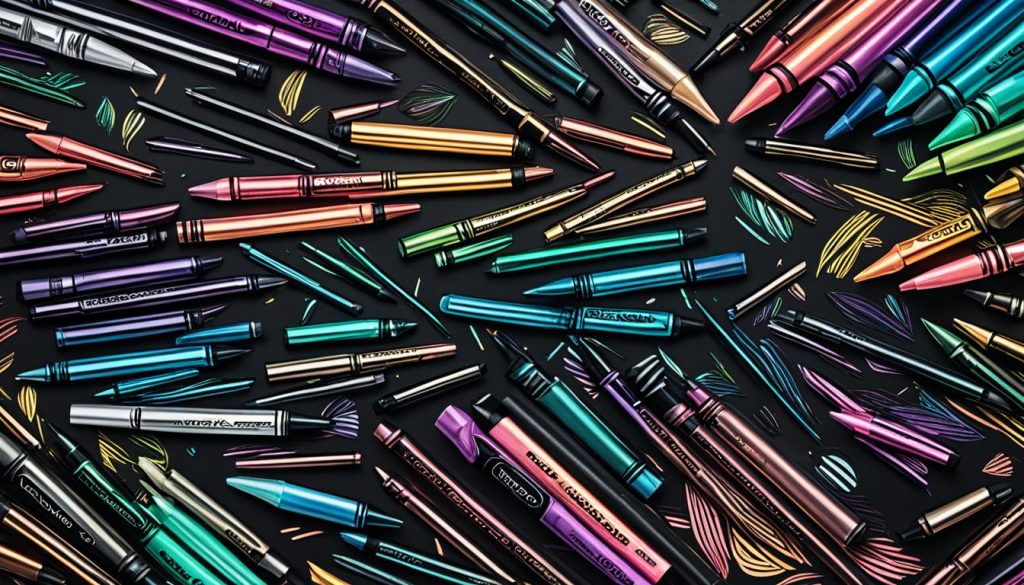
“Using Crayola Metallic Markers and black card stock paper allows you to create stunning spider web designs that catch the eye and spark imagination.” – Artist Mark Johnson
Time Needed and Additional Resources
When it comes to drawing a spider web, the time needed to complete the task can vary depending on the complexity and level of detail. On average, it takes approximately 30 minutes to create a spider web masterpiece. However, this estimate is just a guideline, and the actual time may differ based on individual skill level and personal preferences.
If you’re looking for additional guidance and resources to help you master the art of drawing spider webs and spiders, there are various online tutorials available. These tutorials offer step-by-step instructions, tips, and tricks to enhance your drawing skills. Here are two types of resources worth exploring:
- Printable Drawing Guides: Printable drawing guides provide a convenient way to follow along with the tutorial at your own pace. Simply print out the guide and refer to it as you work on your spider web. These guides often include detailed illustrations and helpful pointers to ensure you achieve the desired result.
- Video Tutorials: Video tutorials offer a visual and interactive learning experience. Watch expert artists in action as they demonstrate the techniques and steps involved in drawing spider webs and spiders. You can pause, replay, and follow along with the video to practice your skills effectively.
These resources can serve as valuable references for both beginners and experienced artists. They provide inspiration, guidance, and insights into the intricate process of creating stunning spider web art. Don’t hesitate to explore these tutorials and find the ones that resonate with your artistic style.
Next, let’s dive into the final section of our guide, where we wrap up our journey through the world of spider web drawing and provide some concluding thoughts.
| Resource Type: | Description: |
|---|---|
| Printable Drawing Guides | Step-by-step guides with illustrations and pointers |
| Video Tutorials | Visual and interactive demonstrations by expert artists |
Conclusion
Drawing a spider web can be a fun and rewarding artistic activity. By following step-by-step tutorials, experimenting with various techniques and materials, and seeking inspiration from other artists, you can create impressive spider web drawings. Regular practice and embracing your creativity are key to mastering this art form and expanding your artistic repertoire.
Throughout this article, we have learned about the basics of drawing a spider web, including the importance of freehand drawing, creating lifelike rings, and understanding spacing. We have also explored different artistic techniques, such as using metallic markers and painting with watercolors or acrylics, to add depth and vibrancy to your spider web art.
For beginners, drawing a spider web can be an accessible and enjoyable activity. Starting with a basic framework and gradually weaving arches and circles will help you develop your skills and create impressive spider web drawings. Remember, practice makes perfect, so don’t be afraid to experiment and explore different styles and patterns.
As you continue your artistic journey, don’t forget to seek inspiration from other artists and their unique spider web designs. By discovering their techniques, color palettes, and compositions, you can develop your own artistic style and create truly original spider web artwork.


